Pneumatic conveying systems have become an essential technology in the textile industry, particularly for handling and transporting textile fibers efficiently. This article provides an overview of the principles and structural components involved in pneumatic conveying for textile applications, highlighting the key factors that contribute to its effectiveness and reliability.
Understanding Pneumatic Conveying for Textile Fibers
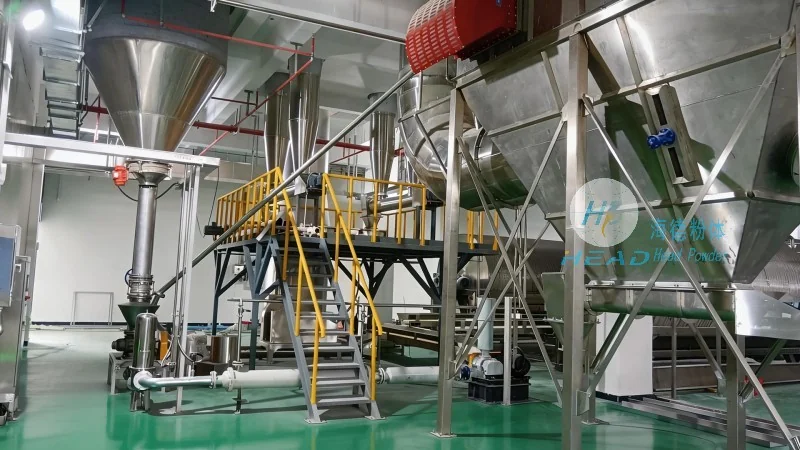
Pneumatic conveying, also known as air conveying, is a method of transporting bulk materials, including textile fibers, through a pipeline using air or gas as the conveying medium. In the textile industry, this technology is widely used for moving raw materials like cotton, polyester, and other synthetic fibers from storage to processing equipment, or from one production stage to another. The primary advantage of pneumatic conveying is its ability to handle delicate and abrasive materials without causing damage, which is crucial for maintaining the quality of textile fibers.
Structural Principles of Pneumatic Conveying Systems
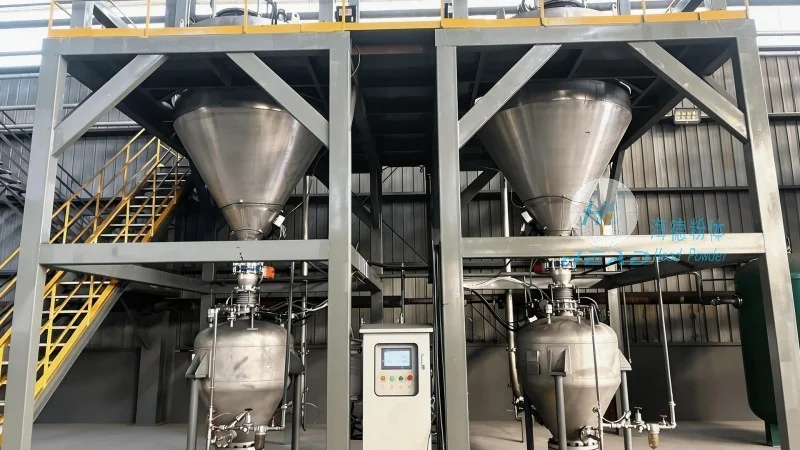
A typical pneumatic conveying system for textile fibers consists of several key components that work together to ensure efficient material transport. The main components include a feeding device, a conveying pipeline, a pressure or vacuum source, and a discharge device. The feeding device, such as a rotary valve or a screw feeder, introduces the textile fibers into the pipeline at a controlled rate. The conveying pipeline, often made of stainless steel or other corrosion-resistant materials, is designed to withstand the abrasive nature of the fibers and the pressure or vacuum conditions. The pressure source, typically a positive displacement blower or a rotary lobe pump, generates the necessary air flow to move the fibers through the pipeline. The vacuum source, on the other hand, is used for suction conveying, which is ideal for applications where the material needs to be moved from a lower to a higher elevation or from a source with limited access. The discharge device, such as a rotary valve or a star feeder, regulates the release of the fibers at the destination point.
Key Design Considerations for Textile Fiber Conveying
When designing a pneumatic conveying system for textile fibers, several factors must be considered to ensure optimal performance and longevity. First, the material of construction is critical. Textile fibers can be abrasive and may contain moisture or other contaminants, so the conveying system must be made of materials that resist corrosion and wear, such as stainless steel or high-grade plastics. Second, the system must be designed to handle the specific characteristics of the fibers, including their size, shape, and moisture content. For example, fine fibers may require a different conveying velocity compared to coarse fibers to prevent blockages or degradation. Third, the system should be equipped with proper filtration and cleaning mechanisms to maintain air quality and prevent material buildup in the pipeline. This is essential for preventing clogs and ensuring consistent performance over time. Fourth, the system must be designed with safety features to protect operators from potential hazards, such as pressure buildup or material release. These considerations ensure that the pneumatic conveying system operates efficiently and safely, meeting the demands of the textile industry.
About Shandong HeadPowder Engineering Co., Ltd.
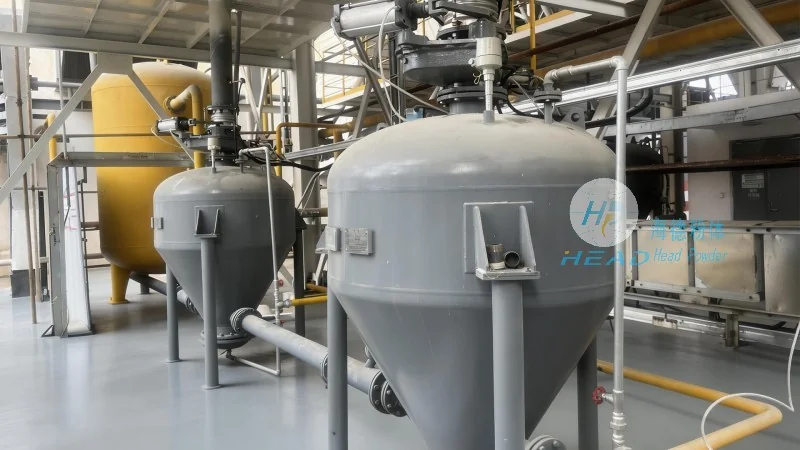
Shandong HeadPowder Engineering Co., Ltd., commonly known as HeadPowder, is a leading manufacturer and supplier of pneumatic conveying systems and related equipment for the textile industry. With years of experience in the field, HeadPowder specializes in designing and manufacturing high-quality, customized pneumatic conveying solutions that meet the specific needs of textile manufacturers. The company's products are known for their durability, efficiency, and reliability, making them a trusted choice for businesses in the textile sector. HeadPowder's team of engineers and technicians work closely with clients to understand their production requirements and develop tailored solutions that enhance productivity and reduce operational costs. The company's commitment to quality and customer satisfaction has earned it a reputation as a leading provider of pneumatic conveying systems in the industry.




