Lithium oxide is a critical component in various industrial applications, and efficient material handling is essential for its processing and transportation. This article explores the concept of lithium oxide material handling and delves into the design principles that ensure safe and effective operations.
Understanding Lithium Oxide
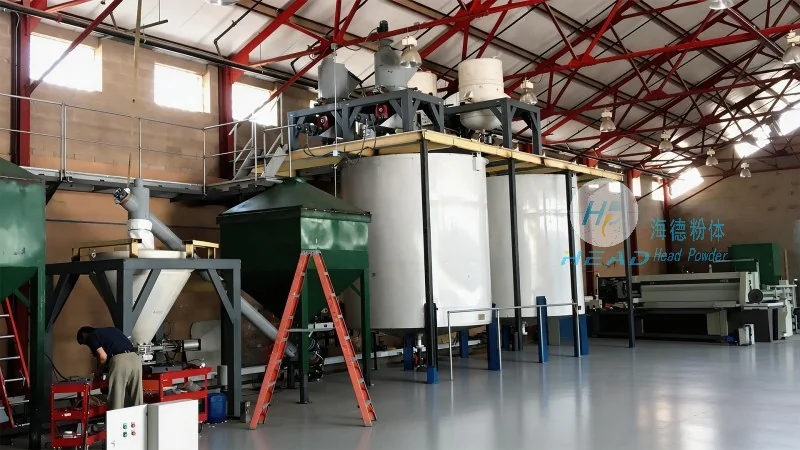
Lithium oxide (Li₂O) is an inorganic compound with significant applications in battery technology, ceramics, and pharmaceuticals. Its handling requires specialized equipment and processes due to its chemical properties and potential hazards. The design of material handling systems for lithium oxide must consider factors such as reactivity, dust control, and environmental safety.
Key Design Principles for Lithium Oxide Material Handling
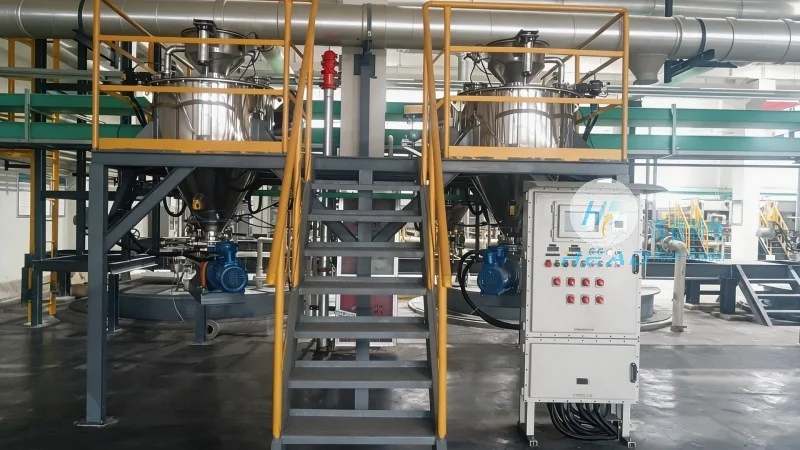
The design of lithium oxide material handling systems follows several core principles to ensure operational efficiency and safety. First, containment and dust suppression are paramount to prevent exposure and environmental contamination. Systems often incorporate sealed hoppers, enclosed conveyor belts, and dust collection units to minimize particle release. Second, material flow control is critical to maintain consistent throughput and prevent blockages or overloading. This involves the use of adjustable feeders, rotary valves, and surge bins to regulate the flow of lithium oxide. Third, equipment selection must prioritize corrosion resistance and chemical compatibility, as lithium oxide can be reactive with certain materials. Stainless steel, PTFE, or specialized coatings are commonly used for components that come into contact with the material. Fourth, safety measures are integrated into the design, including explosion-proof features, emergency shutdown systems, and monitoring for temperature and pressure variations. These principles collectively ensure that lithium oxide is handled in a manner that balances productivity with safety and regulatory compliance.
Components of Lithium Oxide Material Handling Systems
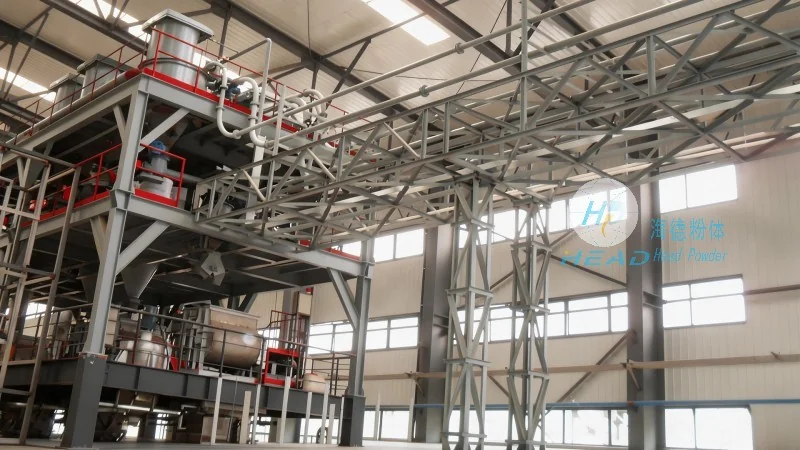
Lithium oxide material handling systems typically consist of several key components that work in tandem to achieve efficient processing. The primary components include feeders, conveyors, storage bins, and processing equipment. Feeders, such as rotary or vibratory types, are used to control the flow of lithium oxide from storage bins or raw material containers. Conveyors, often belt or screw types, transport the material to processing units or packaging areas. Storage bins are designed to hold large quantities of lithium oxide, with features like aeration and level sensors to monitor inventory and prevent overfilling. Processing equipment, such as mixers or reactors, may be integrated into the system to further refine the material. Each component is selected based on the specific properties of lithium oxide and the requirements of the end application, ensuring that the system operates optimally.
Applications and Industries Using Lithium Oxide Material Handling
Lithium oxide material handling systems are utilized in a variety of industries where lithium compounds are essential. The battery industry is a major user, as lithium oxide is a precursor for lithium carbonate and lithium hydroxide, which are key components in lithium-ion batteries. The ceramics industry also relies on lithium oxide for the production of high-performance ceramics, where it acts as a flux to improve material properties. Additionally, the pharmaceutical and chemical industries use lithium oxide in the synthesis of various compounds, requiring precise handling to maintain product quality and safety. In each of these applications, the design of the material handling system is tailored to meet the specific demands of the process, ensuring that lithium oxide is handled efficiently and safely throughout the production cycle.
Challenges and Solutions in Lithium Oxide Material Handling
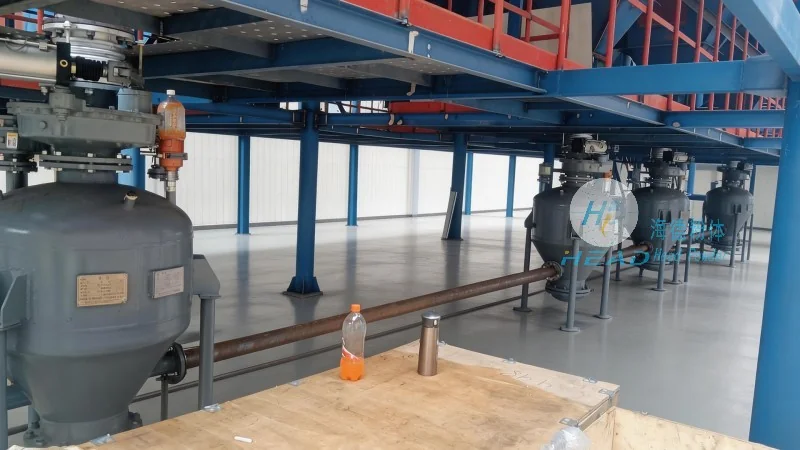
Handling lithium oxide presents several challenges that must be addressed through thoughtful design and operational practices. One of the primary challenges is dust generation, which can lead to respiratory hazards and environmental contamination. Solutions include the use of enclosed systems, high-efficiency particulate air (HEPA) filters, and proper ventilation to capture and remove dust particles. Another challenge is the material's reactivity with certain metals or chemicals, which can cause corrosion or degradation of equipment. To mitigate this, materials like stainless steel or PTFE are used for components that come into contact with lithium oxide. Additionally, the risk of static electricity buildup is a concern, as lithium oxide can be a fine powder. Anti-static measures, such as grounding and ionizers, are incorporated into the system to prevent static discharge and potential explosions. By addressing these challenges through appropriate design and maintenance, lithium oxide material handling systems can operate reliably and safely.




