Resin sand material pneumatic conveying machines are essential equipment in modern industrial operations, particularly in foundries and casting processes. These systems efficiently transport resin-coated sand, a critical component in sand molding and core production. The following content provides a detailed overview of the operation process and working principles of such machines, highlighting the technical aspects and practical applications.
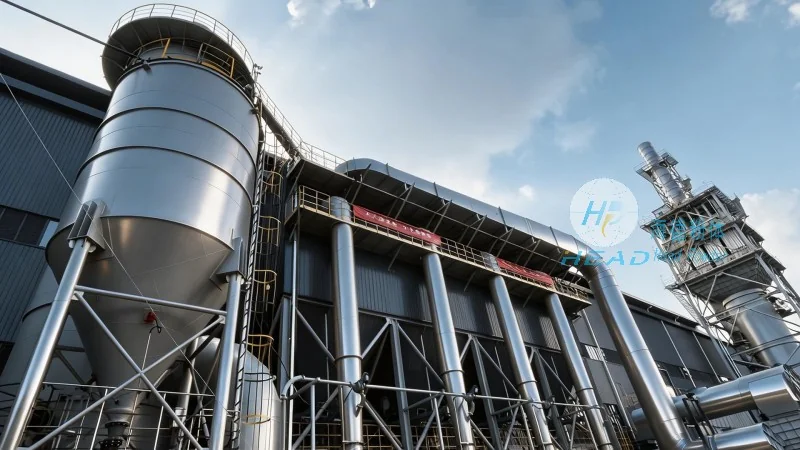
Introduction to Pneumatic Conveying Systems for Resin Sand Materials
Pneumatic conveying systems utilize air or gas to transport bulk materials through a pipeline network. In the context of resin sand, these systems are designed to handle the specific properties of resin-coated sand, including its particle size, moisture content, and cohesive nature. The primary goal is to achieve reliable, low-loss, and dust-free material transfer from the storage or processing point to the molding or casting station. Such systems are widely adopted due to their ability to minimize material degradation, reduce labor costs, and enhance overall production efficiency.
Overview of Resin Sand Material Pneumatic Conveying Machines
Resin sand material pneumatic conveying machines, as offered by Shandong HeadPowder Engineering Co., Ltd. (headpowder), are engineered to meet the demanding requirements of resin sand handling. These machines integrate advanced pneumatic technology with robust mechanical components to ensure consistent performance and durability. The system typically consists of a hopper, a blower or air compressor, a pipeline network, and a discharge unit, all working in tandem to facilitate the seamless transfer of resin sand. The design emphasizes flexibility, allowing for customization based on the specific needs of the foundry or casting facility.
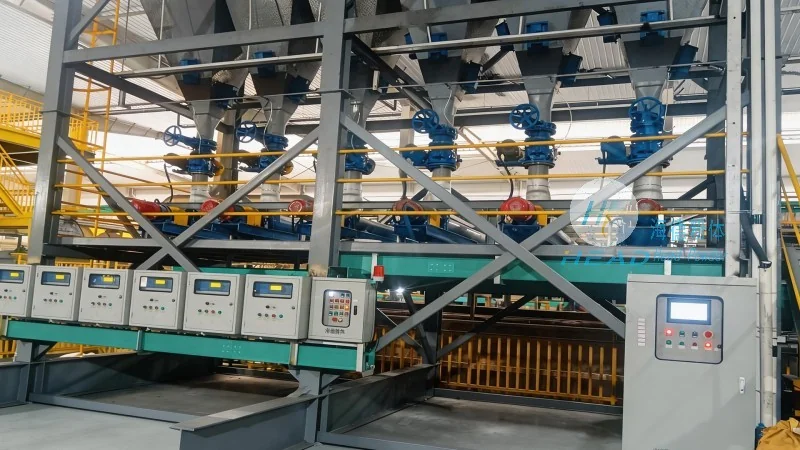
Key Components and Their Functions in the System
The pneumatic conveying system for resin sand materials comprises several critical components, each playing a vital role in the overall operation. The hopper serves as the material storage and feeding unit, ensuring a continuous supply of resin sand to the system. It is equipped with a feeding mechanism, such as a rotary valve or a screw feeder, which controls the flow rate of the material into the pipeline. The blower or air compressor generates the necessary air pressure to move the material through the pipeline. This component is crucial for maintaining the required velocity and pressure to prevent material settling or blockage. The pipeline network connects the hopper to the discharge point and may include bends, elbows, and expansion joints to accommodate changes in direction and elevation. Finally, the discharge unit, often a rotary valve or a pressure vessel, regulates the release of the resin sand at the destination, ensuring controlled and uniform material delivery.
The Operation Process of the Pneumatic Conveying Machine
The operation process of a resin sand material pneumatic conveying machine begins with the loading of resin sand into the hopper. The feeding mechanism then starts, feeding the material into the pipeline at a controlled rate. Simultaneously, the blower or air compressor activates, generating a high-pressure air stream that propels the resin sand particles forward. As the material travels through the pipeline, it is suspended in the air stream, preventing it from settling or adhering to the pipe walls. The system maintains a consistent air velocity to ensure efficient transport, typically ranging from 20 to 30 meters per second for fine resin sand particles. Upon reaching the discharge point, the air stream is directed into a receiver or a dust collector, while the resin sand is deposited into the target container or molding machine. The entire process is automated, with sensors and control systems monitoring the flow rate, pressure, and air volume to maintain optimal performance. The system can operate in either positive or negative pressure modes, depending on the specific application and material characteristics.
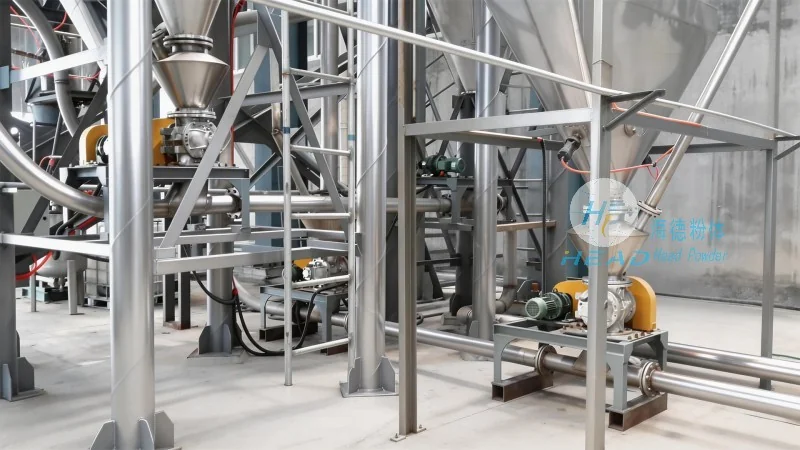
Working Principle of the Resin Sand Material Pneumatic Conveying Machine
The working principle of the resin sand material pneumatic conveying machine is based on the fundamental concept of fluidization and suspension. When air is introduced into the pipeline at a sufficient velocity, it creates a turbulent flow that lifts and transports the resin sand particles. This phenomenon is known as pneumatic conveying, where the material is carried as a dilute or dense phase flow. In the case of resin sand, the system operates in the dilute phase, where the material is dispersed as individual particles within the air stream. The key to efficient operation lies in achieving the right balance between air velocity and material flow rate. If the air velocity is too low, the material may settle and cause blockages; if it is too high, excessive energy consumption and material degradation may occur. The machine's design, including the size of the hopper, the diameter of the pipeline, and the configuration of the blower, is optimized to achieve this balance for resin sand applications. Additionally, the system incorporates features such as air filtration and dust collection to maintain a clean and safe working environment, preventing the release of fine particles into the atmosphere.
Technical Advantages and Application Scenarios
Resin sand material pneumatic conveying machines offer several technical advantages that make them a preferred choice for industrial applications. One of the primary benefits is the ability to transport materials over long distances without the need for mechanical conveyors, which can be costly and space-consuming. The system also provides a dust-free and clean operation, reducing the risk of contamination and improving workplace safety. Furthermore, the low maintenance requirements and energy efficiency of pneumatic conveying systems contribute to cost savings and environmental sustainability. The machines are particularly suitable for applications where the material is sensitive to moisture or mechanical stress, such as in the production of high-quality castings. Shandong HeadPowder Engineering Co., Ltd. specializes in manufacturing these systems tailored to the specific needs of foundries, casting plants, and other industrial facilities, ensuring reliable and efficient resin sand handling solutions.




