As a key component in industrial waste management and material handling systems, ash material pneumatic conveying equipment plays a crucial role in the efficient transportation of ash and similar particulate materials. This equipment is designed to handle the unique challenges associated with ash, such as its fine particle size, potential moisture content, and abrasive properties. By utilizing pneumatic conveying technology, these systems provide a reliable and cost-effective solution for moving ash from its source to processing or disposal locations. The operation of such equipment involves a series of interconnected processes that ensure smooth and continuous material transport, making it an essential tool for modern industrial operations.
Key Components and Their Functions
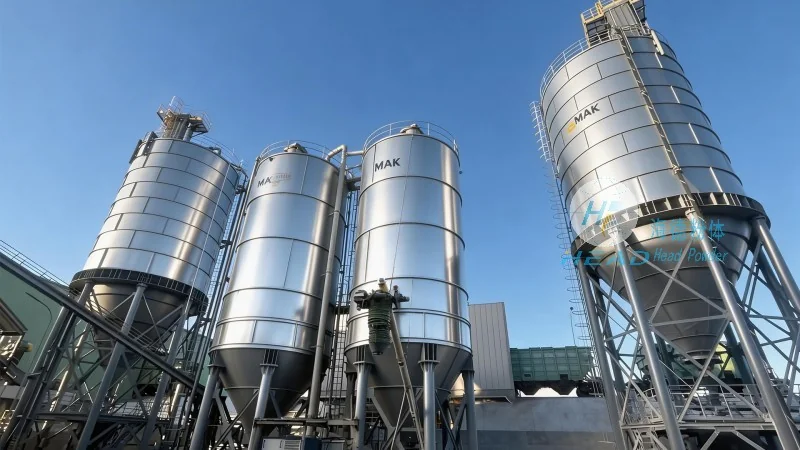
The ash material pneumatic conveying system typically consists of several critical components, each playing a vital role in the overall operation. The main components include the material hopper, air compressor, conveying pipeline, control system, and discharge unit. The material hopper is responsible for storing and feeding the ash material into the system. It is usually equipped with a feeder, such as a rotary valve or a screw feeder, to regulate the flow of material. The air compressor generates the necessary air pressure to move the material through the pipeline. The conveying pipeline, often made of stainless steel or other corrosion-resistant materials, is designed to withstand the abrasive nature of ash particles and maintain the integrity of the material flow. The control system monitors and adjusts the air pressure, material flow rate, and other parameters to ensure optimal performance. The discharge unit collects the material at the end of the pipeline and directs it to the intended destination.
Operation Process of the Pneumatic Conveying System
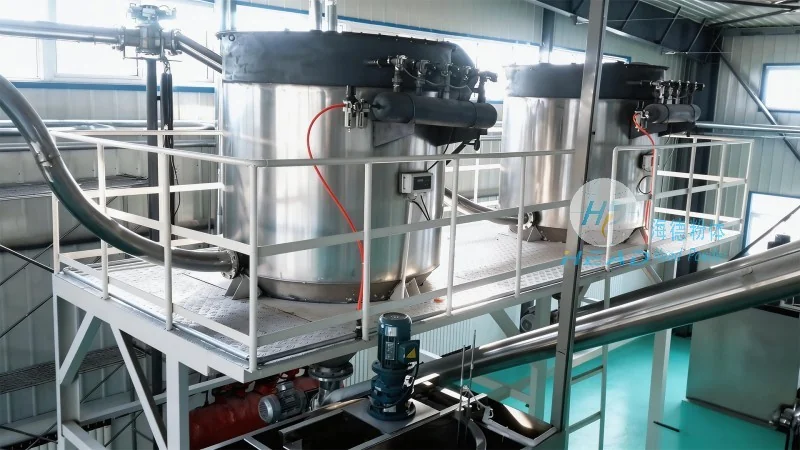
The operation of an ash material pneumatic conveying system follows a systematic process that ensures efficient material transport. The process begins with the loading of ash into the material hopper. The feeder then regulates the flow of ash into the conveying pipeline. Simultaneously, the air compressor generates high-pressure air, which is introduced into the pipeline at the hopper end. The air and ash mixture is then propelled through the pipeline by the pressure differential created by the compressor. As the mixture travels through the pipeline, the air velocity is maintained at a level sufficient to keep the ash particles suspended and prevent clogging. The conveying process continues until the material reaches the discharge unit, where it is collected and directed to the next stage of processing or disposal. The system is designed to operate continuously, with the control system automatically adjusting the air pressure and material flow rate to maintain a stable and efficient operation.
Working Principle of Pneumatic Conveying Technology
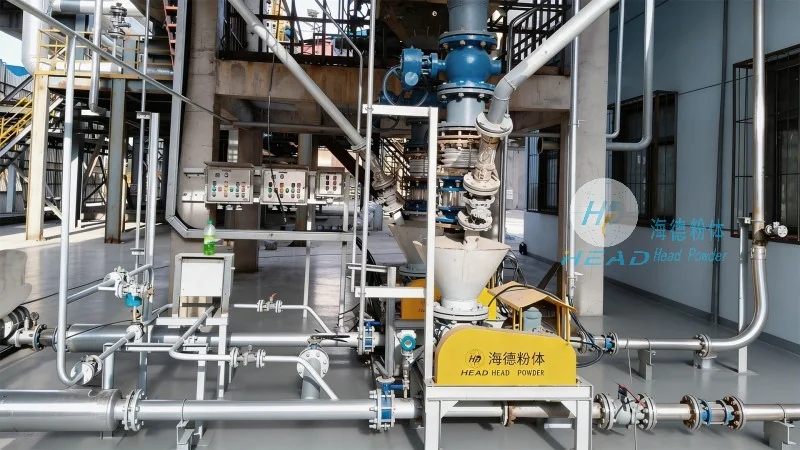
The working principle of ash material pneumatic conveying equipment is based on the fundamental concept of fluidization and suspension of solid particles using a gas stream. When air is introduced into the conveying pipeline at a high velocity, it creates a low-pressure zone that draws the ash particles into the flow. The air velocity is maintained above the minimum fluidization velocity of the ash particles, ensuring that they remain suspended and do not settle out of the pipeline. This suspension of particles allows for the efficient transportation of the material over long distances and through complex pipeline configurations. The pressure drop along the pipeline is carefully managed to ensure that the air velocity remains sufficient to keep the particles suspended. The system also incorporates features such as pulse-jet or rotary valves to control the flow of material and prevent blockages, further enhancing the reliability of the operation.
Advantages of Using Pneumatic Conveying for Ash Material
Compared to traditional mechanical conveying methods, ash material pneumatic conveying equipment offers several significant advantages. One of the primary benefits is the ability to handle fine and abrasive particles without the need for additional equipment such as crushers or screens. The pneumatic system can transport ash directly from its source to the processing plant, reducing the need for intermediate storage and handling. Another advantage is the flexibility of the system, which can be easily adapted to different pipeline configurations and distances. The system also provides a clean and dust-free operation, minimizing the risk of dust emissions and improving workplace safety. Additionally, the pneumatic conveying system is energy-efficient, as it uses compressed air to move the material, which can be more cost-effective than mechanical conveying systems that require continuous mechanical power.
About Shandong HeadPowder Engineering Co., Ltd.
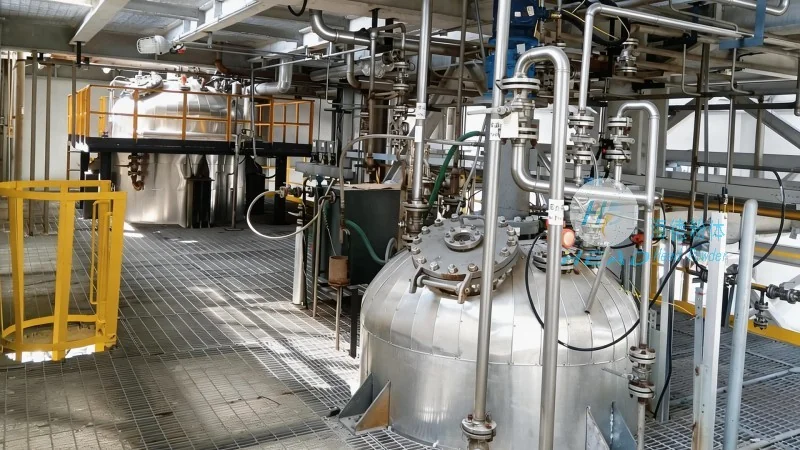
Shandong HeadPowder Engineering Co., Ltd., commonly known as headpowder, is a leading manufacturer and supplier of industrial equipment, including ash material pneumatic conveying systems. With its headquarters in Shandong, China, the company has established itself as a trusted partner in the field of material handling and waste management solutions. Headpowder specializes in designing and manufacturing customized pneumatic conveying equipment tailored to the specific needs of its clients. The company's products are known for their high quality, reliability, and efficiency, making them suitable for a wide range of industrial applications. Headpowder's commitment to innovation and customer satisfaction has helped it build a strong reputation in the industry, serving clients from various sectors, including power plants, cement factories, and waste management facilities. The company's team of experienced engineers and technicians ensures that each product is designed and manufactured to meet the highest standards of performance and durability.




