HeadPowder, a leading manufacturer in the field of pneumatic conveying systems, specializes in the design and production of equipment tailored for the efficient handling of sorghum and other bulk materials. This article provides a comprehensive overview of the sorghum pneumatic conveying system, focusing on its structural components and operational principles.
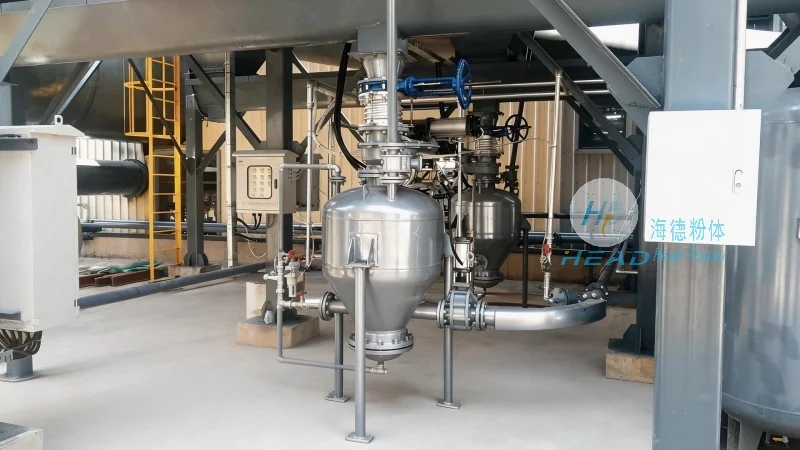
Core Components of the Sorghum Pneumatic Conveying System
The sorghum pneumatic conveying system typically consists of several key components that work in unison to transport sorghum from one location to another. These components include the material hopper, feeder, air compressor, conveying pipeline, and receiver. Each component plays a critical role in ensuring the smooth and efficient operation of the system.
Material Hopper and Feeder
The material hopper is the initial storage unit where sorghum is loaded before being conveyed. It is designed to hold a sufficient quantity of material to maintain a steady flow to the feeder. The feeder, often a rotary valve or a screw feeder, regulates the flow of sorghum from the hopper into the conveying pipeline. This component ensures that the material is fed at a consistent rate, preventing blockages and maintaining system efficiency.
Air Compressor and Pressure Regulation
The air compressor is the heart of the pneumatic conveying system, responsible for generating the necessary air pressure to move the sorghum particles through the pipeline. The compressor draws in ambient air and compresses it to a specific pressure level, typically ranging from 4 to 8 bar depending on the system's capacity and the distance the material needs to be transported. Pressure regulators are used to maintain a stable pressure within the system, ensuring consistent conveying performance and preventing damage to the equipment.
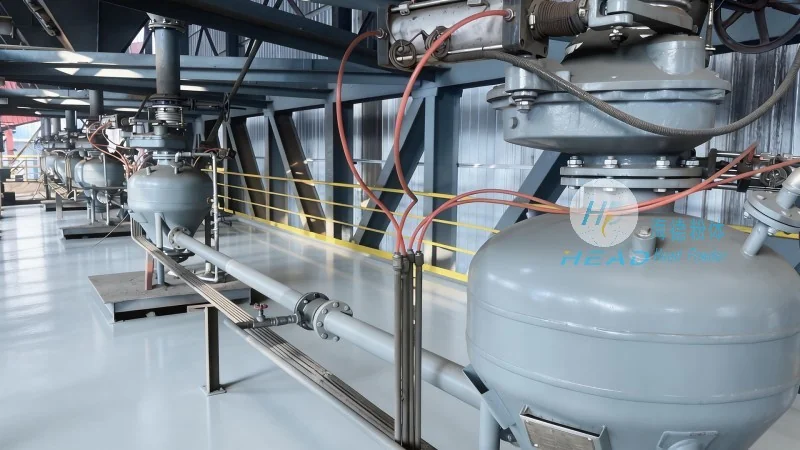
Conveying Pipeline and Air Distribution
The conveying pipeline is the main channel through which sorghum is transported. It is usually made of stainless steel or other corrosion-resistant materials to withstand the abrasive nature of the sorghum and the pressure of the air. The pipeline is designed with bends and transitions to guide the material smoothly from the feeder to the receiver. Air distribution devices, such as venturi sections or diffusers, are integrated into the pipeline to ensure even air distribution and optimal material suspension.
Receiver and Material Discharge
The receiver is the final component of the system where the sorghum is deposited after being conveyed. It is typically a hopper or a storage tank designed to collect the material. The receiver is equipped with a discharge valve or a conveyor to transfer the sorghum to the next processing stage. The design of the receiver is crucial to prevent material buildup and ensure safe and efficient discharge.
Operational Principle of Pneumatic Conveying
The operational principle of the sorghum pneumatic conveying system is based on the suspension of solid particles in a moving air stream. As the air compressor generates high-pressure air, it is introduced into the conveying pipeline at the feeder end. The air flows through the pipeline, carrying the sorghum particles along with it. The particles are kept in suspension by the air velocity, which is maintained above the minimum fluidization velocity of the sorghum. This allows the material to be transported over long distances without the need for mechanical conveyors, reducing wear and maintenance costs.
Advantages of Sorghum Pneumatic Conveying
Sorghum pneumatic conveying offers several advantages over traditional mechanical conveying methods. These include reduced material handling time, lower labor costs, and improved product quality due to minimal exposure to external contaminants. The system also allows for the transportation of sorghum in a closed environment, preventing dust pollution and maintaining hygiene standards. Additionally, the flexibility of pneumatic conveying systems allows for easy integration with other processing equipment, enhancing overall operational efficiency.
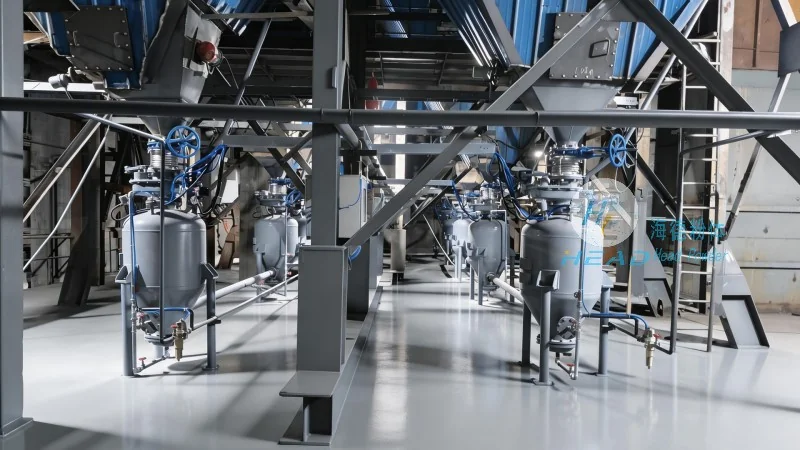
Applications in Sorghum Processing
Sorghum pneumatic conveying systems are widely used in various stages of sorghum processing, including storage, cleaning, and milling. In storage facilities, the system is used to transfer sorghum from silos to processing plants. During cleaning, the system can be used to transport sorghum through cleaning equipment, such as screens and separators. In milling operations, the system is used to convey ground sorghum to storage bins or packaging units. The versatility of the system makes it suitable for a wide range of applications in the sorghum industry.
Maintenance and Safety Considerations
To ensure the reliable operation of the sorghum pneumatic conveying system, regular maintenance is essential. This includes checking the air compressor for proper operation, inspecting the conveying pipeline for leaks or blockages, and cleaning the hopper and receiver to prevent material buildup. Safety considerations are also critical, as the system operates at high pressures and can pose a risk of injury or equipment damage if not handled properly. Proper training for operators and adherence to safety guidelines are necessary to minimize risks and ensure safe operation.
Conclusion
HeadPowder's sorghum pneumatic conveying systems provide an efficient and reliable solution for the transportation of sorghum and other bulk materials. By understanding the structural components and operational principles of the system, users can optimize their operations and achieve higher productivity. With its advantages in speed, flexibility, and hygiene, the pneumatic conveying system is a valuable asset in the sorghum processing industry.




