For those in the agricultural or material handling sectors, understanding the mechanics of pneumatic conveying systems is crucial for optimizing operations and enhancing efficiency. This article provides an overview of grass material pneumatic conveying, detailing its structural components and operational principles as offered by Shandong HeadPowder Engineering Co., Ltd., a leading provider in the field.
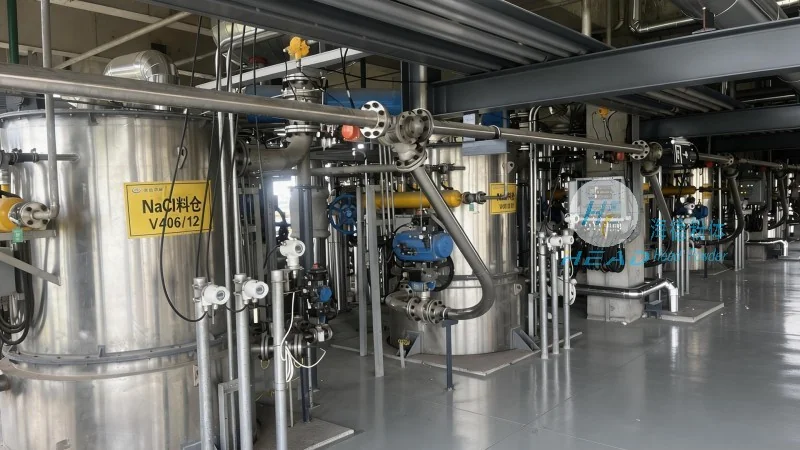
Company Profile: HeadPowder Engineering
Shandong HeadPowder Engineering Co., Ltd. specializes in the design, manufacturing, and supply of advanced pneumatic conveying solutions. With a focus on innovation and precision engineering, the company serves industries that require reliable and efficient material transport systems. HeadPowder's expertise lies in tailoring equipment to meet specific operational needs, ensuring durability and performance under various conditions. The company, located in Shandong, China, has established itself as a trusted partner in the material handling industry through its commitment to quality and customer satisfaction.
What is Grass Material Pneumatic Conveying?
Pneumatic conveying, or air-based material transport, is a method used to move bulk materials through a pipeline using air pressure or vacuum. In the context of grass material handling, this technology is particularly valuable for transporting forage, silage, or other agricultural products from storage to processing facilities. The system typically involves a hopper for material storage, a conveying line, and a receiver for the delivered material. By utilizing air as the transport medium, the process minimizes the need for mechanical components, reducing wear and maintenance requirements.
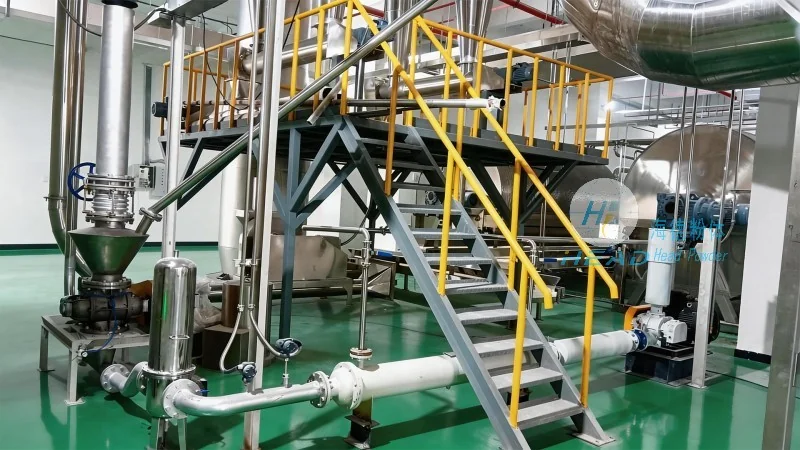
Key Structural Components of the System
The grass material pneumatic conveying system consists of several critical components that work in unison to ensure efficient material transport. These include:
- Material Hopper: A container designed to hold the grass or forage material before it is fed into the conveying system. The hopper is equipped with a feeder mechanism, such as a rotary valve or a screw feeder, to control the flow of material into the pipeline.
- Conveying Pipeline: The main channel through which the material is transported. The pipeline is usually made of durable materials like stainless steel or PVC to withstand the abrasive nature of grass and prevent material buildup. The design of the pipeline, including bends and elbows, is optimized to minimize pressure loss and maintain consistent flow rates.
- Air Supply System: This component generates the necessary air pressure or vacuum to move the material. It typically includes a blower or a vacuum pump, along with a filter to remove dust and debris from the air, ensuring clean operation and preventing system clogging.
- Receiver Tank: The final destination for the conveyed material. The receiver is designed to collect the material and may include a discharge valve or a conveyor to transfer it to the next processing stage. Some systems also include a dust collection system to capture any particles that may escape during transport.
Working Principle of the Pneumatic Conveying Process
The operation of a grass material pneumatic conveying system follows a systematic process. Initially, the grass material is loaded into the hopper. The feeder then regulates the flow of material into the pipeline. Simultaneously, the air supply system generates the required pressure or vacuum. As the air flows through the pipeline, it entrains the material particles, creating a slurry-like mixture that is propelled forward. The velocity of the air is critical; it must be sufficient to lift and transport the material without causing excessive wear on the system components. The system is designed to maintain a consistent flow rate, ensuring that the material reaches the receiver without clogging or loss of efficiency.
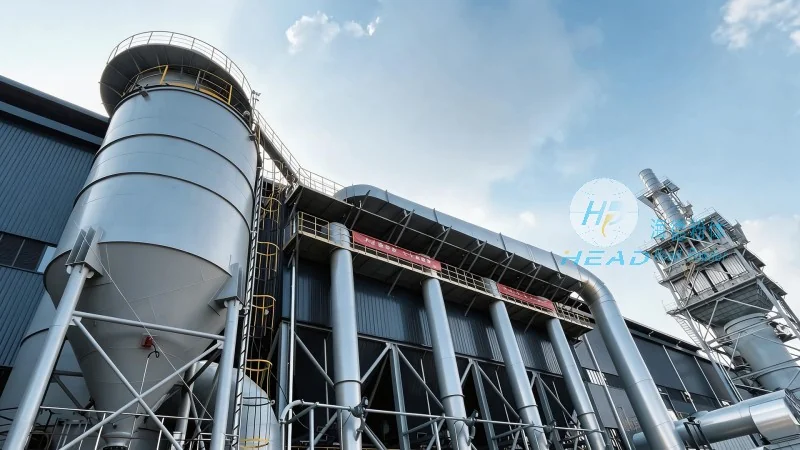
Advantages of Grass Material Pneumatic Conveying
Implementing a pneumatic conveying system for grass material handling offers several advantages over traditional mechanical systems. First, it reduces labor costs by automating the material transport process. The system eliminates the need for manual handling, which can be labor-intensive and unsafe. Second, it improves operational efficiency by providing a continuous and reliable flow of material. This ensures that processing equipment operates at optimal capacity, minimizing downtime. Third, the system is compact and can be installed in various locations, making it suitable for both large-scale agricultural operations and smaller processing facilities. Additionally, the reduced mechanical contact with the material minimizes product degradation, preserving the quality of the grass or forage being transported.
Applications and Industries
Grass material pneumatic conveying systems are widely used in various industries, primarily in agriculture and animal feed production. They are commonly employed in the following applications:
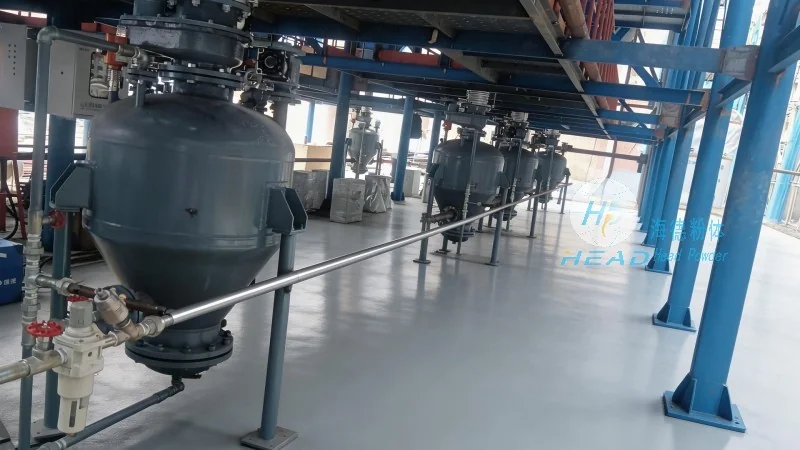
- Forage and Silage Handling: Transporting chopped grass or silage from silos to feed mills or livestock barns.
- Grain and Feed Processing: Moving bulk feed ingredients, including grass-based components, through processing lines.
- Industrial Material Transport: Conveying grass or other organic materials in industrial settings, such as biogas production facilities or composting operations.
Maintenance and Operational Considerations
To ensure the longevity and efficiency of a grass material pneumatic conveying system, regular maintenance is essential. This includes cleaning the pipeline and hopper to prevent clogging, inspecting the air filter and blower for wear, and checking the feeder mechanism for proper operation. Additionally, monitoring the system's pressure and flow rates helps identify any issues early, preventing major breakdowns. Proper training of operators on the system's operation and maintenance procedures is also crucial for optimal performance and safety.
Conclusion
Grass material pneumatic conveying is a sophisticated and efficient method for transporting bulk agricultural materials. Through its well-designed structural components and operational principles, the system offers significant advantages in terms of efficiency, cost-effectiveness, and product quality. Shandong HeadPowder Engineering Co., Ltd. provides comprehensive solutions tailored to meet the specific needs of clients, ensuring reliable and durable pneumatic conveying systems for grass material handling. By investing in such technology, businesses can enhance their operational capabilities and stay competitive in the agricultural and material handling sectors.




