Micro silica powder, also known as fumed silica, is a high-purity colloidal silica with an extremely fine particle size, typically ranging from 7 to 40 nanometers. Its unique properties, such as high surface area, excellent dispersibility, and strong adsorption capacity, make it a crucial additive in various industrial applications, including construction, electronics, and cosmetics. However, the handling and transportation of micro silica powder present significant challenges due to its fine particle characteristics and potential for dust explosion risks. Pneumatic conveying systems have emerged as an effective solution to address these challenges, enabling safe, efficient, and dust-free transport of micro silica powder. This article provides an overview of micro silica powder pneumatic conveying, focusing on its structural design and operational principles.
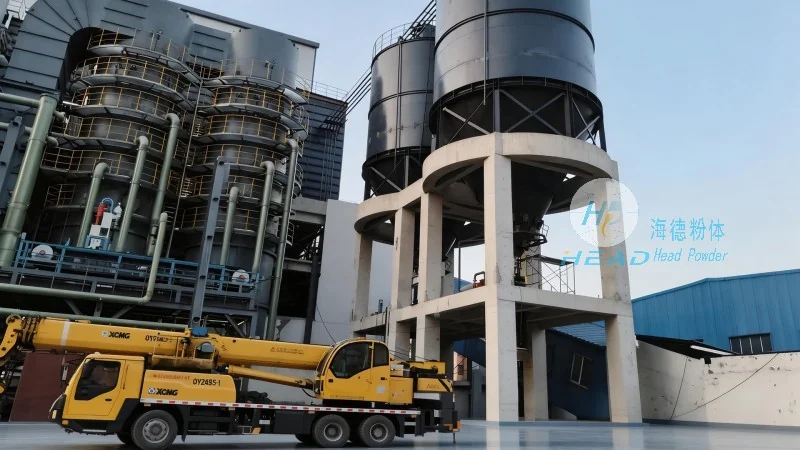
Company Profile: Shandong HeadPowder Engineering Co., Ltd.
Headpowder, the brand name of Shandong HeadPowder Engineering Co., Ltd., is a leading manufacturer specializing in the design, development, and supply of advanced pneumatic conveying systems tailored for handling fine powders like micro silica. With a strong commitment to innovation and quality, the company has established itself as a trusted partner in the industry, offering customized solutions that meet the specific needs of clients. HeadPowder's expertise lies in integrating cutting-edge technology with practical engineering to deliver reliable and efficient powder handling solutions. The company's operations are based in Shandong, China, where it leverages local resources and expertise to support its global clientele.
Structural Components of Micro Silica Powder Pneumatic Conveying Systems
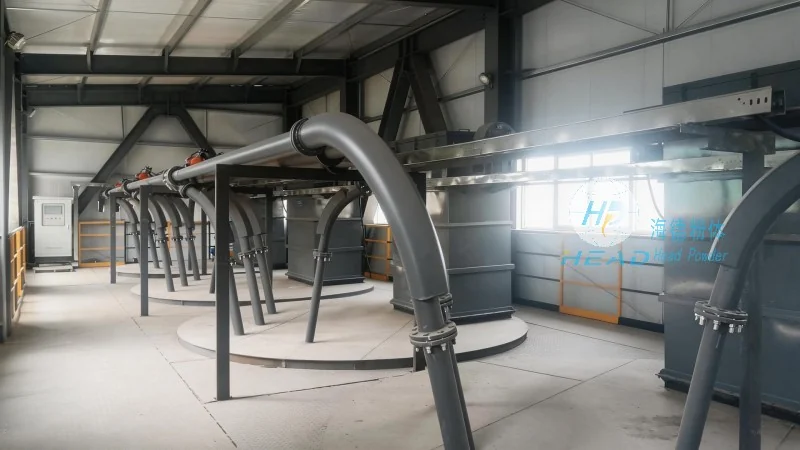
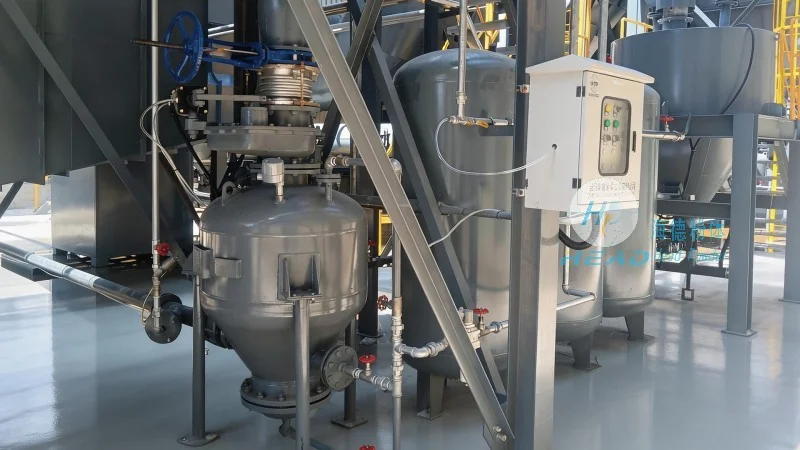
A typical micro silica powder pneumatic conveying system consists of several key components that work in tandem to ensure efficient material transport. The primary components include the hopper, feeder, air compressor, conveying line, and receiver. Each component plays a critical role in the overall system performance. The hopper serves as the storage vessel for the micro silica powder, providing a controlled environment to prevent material degradation and contamination. The feeder, often a rotary valve or a screw feeder, regulates the flow of powder from the hopper into the conveying line, ensuring a consistent and controlled feed rate. The air compressor generates the necessary pressure or vacuum to move the powder particles through the system. The conveying line, typically made of stainless steel or other corrosion-resistant materials, transports the powder-air mixture from the feeder to the receiver. The receiver collects the conveyed powder and may include features like a dust filter or a silo for storage. These components are designed to work together seamlessly, optimizing the conveying process while maintaining safety and efficiency.
Operational Principles of Pneumatic Conveying for Micro Silica Powder
The operational principle of micro silica powder pneumatic conveying is based on the use of air as the conveying medium to transport the powder particles. There are two main types of pneumatic conveying systems: pressure and vacuum systems. In pressure systems, the air compressor creates positive pressure in the conveying line, pushing the powder-air mixture forward. This method is suitable for short to medium conveying distances and is commonly used for handling abrasive or corrosive powders. In vacuum systems, a vacuum pump creates a negative pressure in the receiver, drawing the powder-air mixture from the hopper through the conveying line. Vacuum systems are ideal for long-distance conveying and for applications where the powder needs to be transported from multiple sources to a central location. The key to efficient pneumatic conveying lies in achieving the right air-to-powder ratio, which balances the velocity of the air with the particle size and density of the micro silica powder. Proper air velocity is crucial to prevent particle segregation, caking, or blockages in the conveying line. The system must also be designed to handle the high surface area and fine particle size of micro silica, which can lead to issues like static electricity accumulation and dust explosion risks. Therefore, anti-static measures and explosion-proof designs are often incorporated into the system to ensure safe operation.
Advantages of Using Pneumatic Conveying for Micro Silica Powder Handling
Implementing a pneumatic conveying system for micro silica powder offers several advantages over traditional handling methods. First, it provides a dust-free and clean environment, reducing the risk of occupational exposure to fine particles and minimizing the need for additional dust control measures. Second, the system allows for continuous and automated operation, improving production efficiency and reducing labor costs. Third, pneumatic conveying can handle high volumes of powder with minimal maintenance, as the components are designed to withstand the abrasive nature of micro silica. Fourth, the system is flexible and can be easily integrated with existing production lines, allowing for scalability and adaptability to changing production needs. Additionally, pneumatic conveying systems can be designed to meet specific safety standards, such as explosion-proof certifications, ensuring compliance with regulatory requirements. These advantages make pneumatic conveying an attractive solution for industries that rely on micro silica powder in their manufacturing processes.
Applications and Industries Benefiting from Micro Silica Powder Pneumatic Conveying
The use of micro silica powder is widespread across various industries, and the pneumatic conveying systems designed for it cater to these diverse applications. In the construction industry, micro silica is used as a supplementary cementitious material in concrete, improving its strength, durability, and resistance to chemical attacks. Pneumatic conveying systems are employed to transport micro silica from storage silos to batching plants, ensuring a consistent supply of high-quality material. In the electronics industry, micro silica is used as a filler in silicone rubber and epoxy resins, enhancing their mechanical properties and thermal stability. The fine and uniform particle size of micro silica, delivered via pneumatic conveying, is critical for achieving the desired product performance. In the cosmetics industry, micro silica is used as an absorbent and exfoliant in skincare products, providing a smooth and non-comedogenic texture. Pneumatic conveying systems help maintain the purity and quality of the powder during transport, preventing contamination and ensuring product consistency. Other industries, such as pharmaceuticals and coatings, also benefit from the efficient handling of micro silica powder through pneumatic conveying systems. The versatility of micro silica and the effectiveness of pneumatic conveying make it a valuable tool in these sectors, supporting the production of high-quality products.
Key Considerations for Designing and Implementing Micro Silica Powder Pneumatic Conveying Systems
Designing and implementing an effective micro silica powder pneumatic conveying system requires careful consideration of several factors to ensure optimal performance and safety. First, the particle size and density of the micro silica powder must be accurately characterized, as these properties directly impact the air-to-powder ratio and conveying velocity. The system design must account for the high surface area and potential for static electricity, which can affect the flow and stability of the powder. Second, the conveying distance and layout of the system need to be carefully planned to minimize pressure losses and ensure efficient transport. The choice between pressure and vacuum systems depends on the specific application requirements, such as the distance between the source and destination, and the volume of material to be conveyed. Third, material selection for the conveying components is critical, as micro silica is abrasive and can cause wear and corrosion. Stainless steel or other corrosion-resistant materials are commonly used for the hopper, feeder, and conveying line to extend the system's lifespan. Fourth, safety features, such as explosion-proof designs and anti-static measures, must be integrated into the system to comply with industry standards and prevent accidents. Regular maintenance and monitoring of the system are also essential to ensure long-term reliability and performance. By addressing these considerations, manufacturers can design and implement pneumatic conveying systems that effectively handle micro silica powder while meeting operational and safety requirements.
Future Trends and Innovations in Micro Silica Powder Pneumatic Conveying
As the demand for micro silica powder continues to grow, the industry is witnessing advancements in pneumatic conveying technology to enhance efficiency and sustainability. One of the key trends is the development of more energy-efficient air compressors and conveying systems, which reduce operational costs and environmental impact. Advanced control systems, such as PLC (Programmable Logic Controller) and IoT (Internet of Things) integration, are being used to optimize the system performance, monitor parameters in real-time, and predict maintenance needs. These technologies enable better control over the conveying process, improving product quality and reducing downtime. Another trend is the use of alternative conveying media, such as nitrogen or inert gases, to prevent oxidation or contamination of the micro silica powder, especially in sensitive applications like electronics or pharmaceuticals. Additionally, research is being conducted on the use of nanotechnology to further improve the properties of micro silica and the efficiency of pneumatic conveying systems. These innovations aim to address the challenges associated with handling fine powders and to meet the evolving needs of industries that rely on micro silica. By embracing these trends and innovations, the industry can continue to enhance the performance and reliability of micro silica powder pneumatic conveying systems, supporting the growth and development of various sectors.




