Intermittent feeding pneumatic conveying systems represent a sophisticated method for transporting bulk materials through an enclosed pipeline using compressed air. This technology is widely utilized across various industries, including chemical, pharmaceutical, food processing, and manufacturing, due to its ability to handle a diverse range of materials with precision and efficiency. The core of this system lies in its intermittent feeding mechanism, which ensures controlled material flow and minimizes product degradation or contamination. This article provides a comprehensive overview of the structural components and operational principles of intermittent feeding pneumatic conveying systems, highlighting the key elements that contribute to their effectiveness.
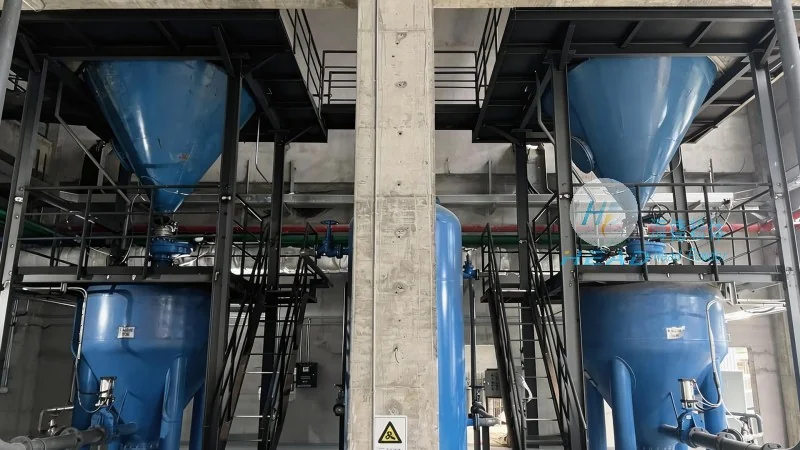
Key Structural Components of Intermittent Feeding Pneumatic Conveying Systems
The intermittent feeding pneumatic conveying system comprises several critical components that work in tandem to facilitate material transport. The primary components include a hopper or feeder for material storage and controlled discharge, a conveying pipeline where the material is transported by air, a compressor or blower to generate the necessary air pressure, and a receiver or discharge hopper where the material is collected. Additionally, the system may incorporate accessories such as filters, cyclones, and control valves to enhance performance and ensure safe operation. Each component plays a vital role in maintaining the integrity of the material and the efficiency of the conveying process.
Working Principles of Intermittent Feeding Pneumatic Conveying
The operation of an intermittent feeding pneumatic conveying system is based on the principle of creating a pressure differential between the conveying line and the ambient environment. The system typically operates in either positive or negative pressure modes. In positive pressure systems, compressed air is introduced into the conveying line, pushing the material forward. In negative pressure systems, a vacuum is created at the receiving end, drawing the material through the pipeline. The intermittent feeding mechanism involves periodic activation of the feeder, which releases a controlled quantity of material into the pipeline. This controlled release prevents overloading the system and ensures smooth material flow. The compressed air then propels the material through the pipeline, where it is collected at the discharge end. The system's ability to handle different material characteristics, such as particle size, density, and moisture content, makes it versatile for various applications.
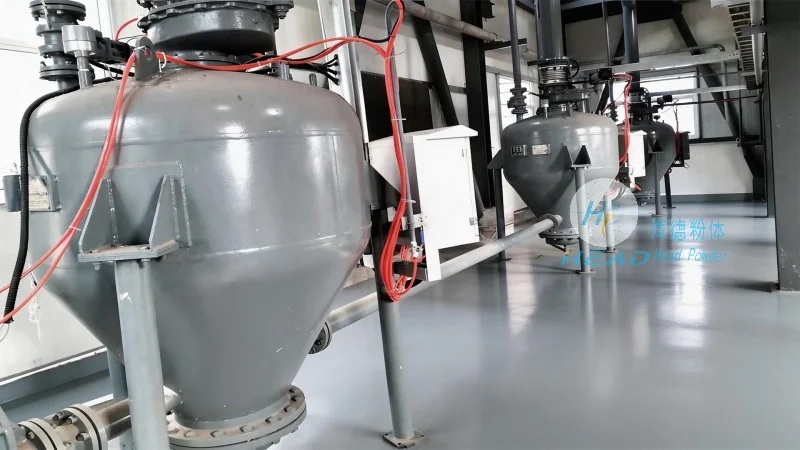
Advantages of Intermittent Feeding Pneumatic Conveying
Intermittent feeding pneumatic conveying offers several advantages over traditional conveying methods. One of the key benefits is the ability to handle a wide range of materials, including powders, granules, and even sticky or abrasive substances. The enclosed pipeline design minimizes material exposure to the environment, reducing the risk of contamination and dust dispersion. Additionally, the system allows for precise control over material flow rates, which is crucial for processes requiring accurate dosing. The compact design of the system also saves space, making it suitable for installations with limited floor area. Furthermore, the system's flexibility in handling different material types and its ability to integrate with other processing equipment enhance its applicability in various industrial settings.
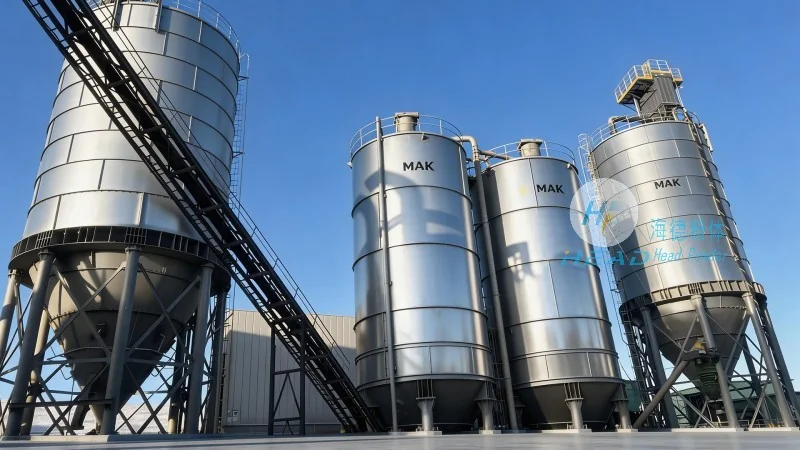
Applications in Different Industries
Intermittent feeding pneumatic conveying systems are employed in numerous industries due to their adaptability and efficiency. In the chemical industry, they are used to transport reactive powders and chemicals, ensuring safe and controlled handling. The pharmaceutical industry utilizes these systems for transporting active ingredients and excipients, maintaining strict hygiene and contamination control. The food processing sector benefits from the system's ability to handle food-grade materials, such as spices, powders, and granules, without compromising quality. In manufacturing, the system is used for transporting raw materials and finished products, improving production line efficiency. The versatility of intermittent feeding pneumatic conveying makes it a preferred choice for industries requiring reliable and efficient material handling solutions.
Conclusion
Intermittent feeding pneumatic conveying systems are a reliable and efficient method for transporting bulk materials in various industrial applications. The system's structural components, including the feeder, pipeline, compressor, and receiver, work together to ensure controlled and safe material transport. The intermittent feeding mechanism allows for precise material flow, while the enclosed design minimizes contamination risks. The advantages of this technology, such as versatility, space efficiency, and precise control, make it a valuable asset in modern industrial operations. As industries continue to demand higher efficiency and safety in material handling, intermittent feeding pneumatic conveying remains a key technology for meeting these requirements. Shandong HeadPowder Engineering Co., Ltd., a leading provider in this field, specializes in designing and manufacturing high-quality pneumatic conveying systems tailored to meet the specific needs of various industries. With a focus on innovation and customer satisfaction, HeadPowder delivers reliable solutions that enhance operational efficiency and ensure material integrity.




