For industrial applications involving the handling of chlorinated polyethylene (CPE) materials, efficient and reliable material transport is crucial. Pneumatic conveyors, specifically designed for such applications, offer a sophisticated solution that combines performance with durability. This article delves into the operation process and working principles of a pneumatic conveyor system tailored for CPE material handling, highlighting the technical aspects and operational efficiency provided by Shandong HeadPowder Engineering Co., Ltd., a leading manufacturer in the field.
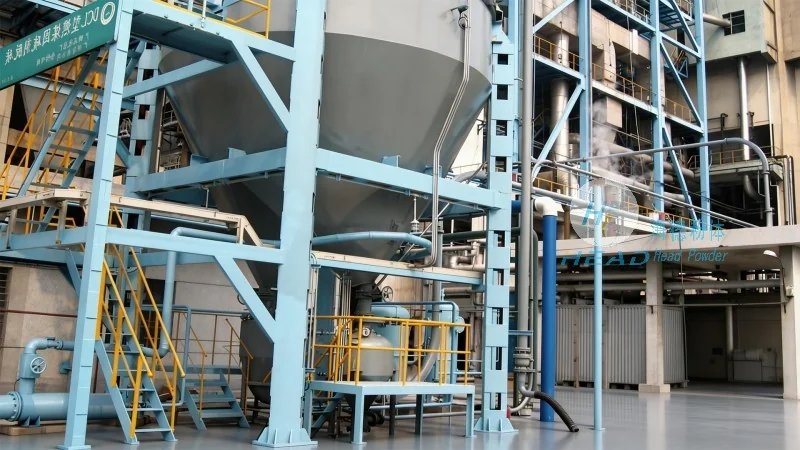
Overview of Pneumatic Conveying Systems for Chlorinated Polyethylene
Pneumatic conveyors are mechanical systems that use air or gas to transport bulk materials through a pipeline network. In the context of chlorinated polyethylene, these systems are engineered to handle the unique properties of CPE, such as its chemical resistance, flexibility, and potential dust generation. The design of the conveyor system, including components like the hopper, airlock, and pipeline, is optimized to ensure smooth material flow while maintaining the integrity of the CPE particles. Shandong HeadPowder Engineering Co., Ltd. specializes in developing customized pneumatic conveyor solutions that meet the specific demands of CPE processing industries, ensuring high efficiency and minimal material degradation.
Key Components and Their Roles in the System
The pneumatic conveyor for chlorinated polyethylene typically consists of several critical components, each playing a vital role in the overall operation. The primary components include the material hopper, which serves as the storage and feeding unit, the airlock or rotary valve that controls the discharge of material into the pipeline, the pipeline network that transports the material, and the air compressor or blower that generates the air pressure required for conveying. Additionally, the system may incorporate filters and cyclones to separate any fine particles from the air stream, ensuring clean air release and preventing contamination. Each component is carefully selected and integrated to ensure seamless operation and optimal performance for CPE material handling.
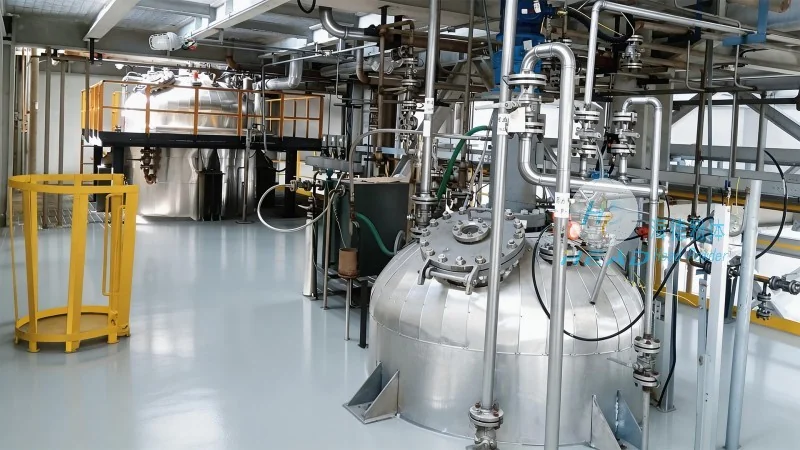
Operation Process of the Pneumatic Conveyor
The operation of the pneumatic conveyor for chlorinated polyethylene follows a systematic process that ensures continuous and efficient material transport. The process begins with the loading of CPE material into the hopper. The material is then fed into the pipeline through the airlock or rotary valve, which regulates the flow rate and prevents backflow. Simultaneously, the air compressor generates the necessary air pressure, which is introduced into the pipeline. The high-pressure air creates a vacuum or positive pressure environment that propels the CPE particles through the pipeline. As the material travels, it may encounter bends or changes in direction, which are accommodated by the design of the pipeline and any necessary fittings. The system is equipped with sensors and controls that monitor the flow rate, pressure, and material level, allowing for real-time adjustments to maintain optimal performance. The entire process is designed to be automated, reducing the need for manual intervention and enhancing operational efficiency.
Working Principle: Air-Driven Material Transport
The working principle of the pneumatic conveyor relies on the fundamental physics of fluid dynamics and particle motion. When air is introduced into the pipeline at a high velocity, it creates a low-pressure zone that draws the CPE particles into the air stream. The particles are then carried along with the air, moving through the pipeline to the discharge point. The velocity of the air and the size of the particles determine the conveying velocity and the required air volume. For CPE materials, which are often fine or powdery, the system may use a combination of positive and negative pressure (also known as a "pneumatic conveying system with both positive and negative pressure") to achieve efficient transport. This dual-pressure approach ensures that the material is not only pushed forward but also pulled along, reducing the risk of blockages and ensuring consistent flow. The air pressure is carefully controlled to match the material's characteristics, preventing excessive air consumption while maintaining the required conveying speed. The system's design, including the pipeline diameter and length, is optimized based on the material's properties and the desired conveying capacity.
Advantages of Using Pneumatic Conveyors for Chlorinated Polyethylene
Implementing a pneumatic conveyor system for chlorinated polyethylene offers several advantages over traditional material handling methods. One of the primary benefits is the ability to transport CPE materials in a closed system, which minimizes dust exposure and environmental contamination. This is particularly important for CPE, which can generate fine particles that are hazardous if inhaled. The closed system also prevents material loss and cross-contamination, ensuring product purity. Additionally, pneumatic conveyors provide a high degree of automation, reducing labor costs and improving operational consistency. The system's flexibility allows for easy integration with existing processing lines, and the ability to handle various particle sizes and flow rates makes it suitable for diverse CPE applications. Shandong HeadPowder Engineering Co., Ltd. designs its pneumatic conveyors with these advantages in mind, ensuring that customers receive a reliable and efficient solution tailored to their specific CPE handling needs.
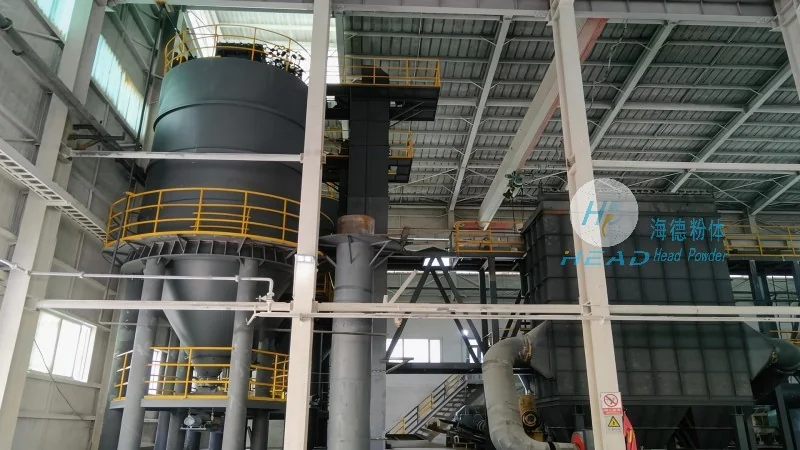
Customization and Maintenance Considerations
Given the unique properties of chlorinated polyethylene, the pneumatic conveyor systems manufactured by Shandong HeadPowder Engineering Co., Ltd. are highly customizable to meet specific operational requirements. The company offers tailored solutions that consider factors such as the material's density, flowability, and potential for abrasion or chemical interaction with the conveyor components. This customization includes selecting appropriate materials for the hopper and pipeline, such as corrosion-resistant metals or specialized plastics, to ensure durability and longevity. Regular maintenance is essential to maintain the performance and reliability of the system. This includes checking air compressor performance, cleaning filters and cyclones, and inspecting the pipeline for any signs of wear or blockage. The manufacturer provides comprehensive maintenance guidelines and support to ensure that the conveyor system operates at peak efficiency throughout its service life. By adhering to these maintenance practices, users can maximize the lifespan of the equipment and minimize downtime, ensuring consistent and reliable CPE material transport.
Conclusion
In conclusion, the pneumatic conveyor system for chlorinated polyethylene is a sophisticated and efficient solution for material handling in industrial applications. The operation process, which involves loading, feeding, air compression, and transport, is designed to ensure smooth and continuous material flow. The working principle, based on air-driven transport, leverages fluid dynamics to move CPE particles through the pipeline with minimal degradation. The advantages of using such a system, including dust control, automation, and flexibility, make it an ideal choice for CPE processing industries. Shandong HeadPowder Engineering Co., Ltd. plays a crucial role in providing these advanced systems, with its expertise in customizing and maintaining pneumatic conveyors tailored to the specific needs of CPE material handling. By understanding the operation process and working principles, industries can make informed decisions about implementing efficient and reliable material transport solutions for their chlorinated polyethylene operations.




