Sawdust, a common byproduct of woodworking operations, presents unique handling challenges due to its granular nature and tendency to clump or agglomerate. Traditional bulk material handling methods often struggle with maintaining consistent flow rates and preventing material degradation. Pneumatic conveying systems offer an efficient solution for transporting sawdust and other fine particles over short to medium distances, ensuring minimal product damage and operational reliability.
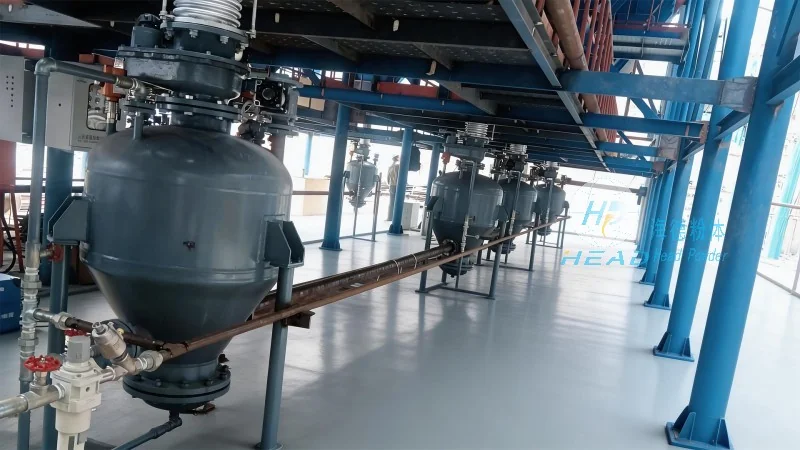
Key Characteristics of Sawdust and Its Handling Requirements
Sawdust particles typically range from 0.1 to 5 millimeters in diameter, with a high surface area and low bulk density. These characteristics make sawdust susceptible to static electricity, which can cause material buildup in pipes and affect system efficiency. Additionally, sawdust is often mixed with moisture or other contaminants, requiring systems designed to handle variable compositions and maintain product purity. The headpowder engineering team understands these challenges and has developed specialized pneumatic conveying solutions tailored to the specific needs of sawdust processing facilities.
Working Principle of Pneumatic Conveying Systems
Pneumatic conveying systems operate by using compressed air to transport solid materials through a pipeline. In the case of sawdust, the system typically employs a positive pressure or negative pressure (vacuum) method. The positive pressure system involves blowing air into the material stream, while the negative pressure system uses suction to draw material into the pipeline. The headpowder system incorporates high-efficiency air blowers and carefully designed ductwork to ensure optimal air-to-material ratios, minimizing energy consumption and maximizing conveying efficiency.
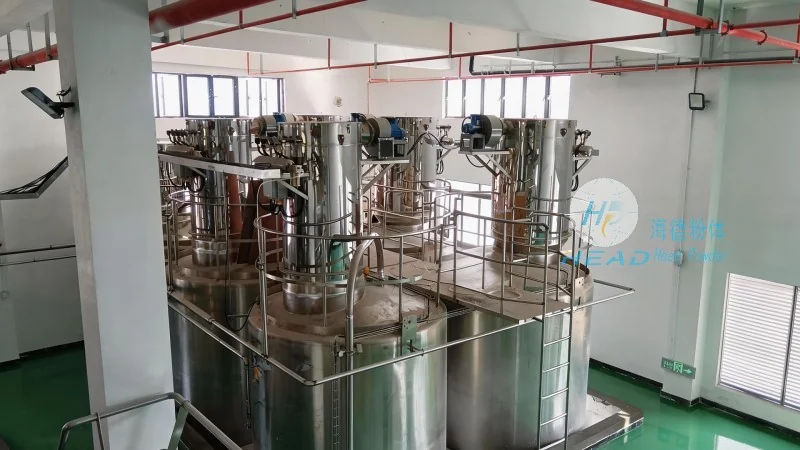
Operation Process of the Sawdust Pneumatic Conveying System
The operation process of a sawdust pneumatic conveying system begins with material feeding. Sawdust is fed into a hopper or silo, where it is then transferred to the conveying line via a rotary valve or feeder. The feeder controls the flow rate, ensuring a consistent material supply to the system. Compressed air is introduced into the line, creating a flow that propels the sawdust particles forward. The system includes check valves and flow control devices to prevent backflow and maintain steady operation. At the destination point, the sawdust is discharged into a storage bin or processing unit, completing the conveying cycle. The headpowder system is designed with automatic controls that monitor pressure, flow rate, and material levels, providing real-time feedback and ensuring smooth, unattended operation.
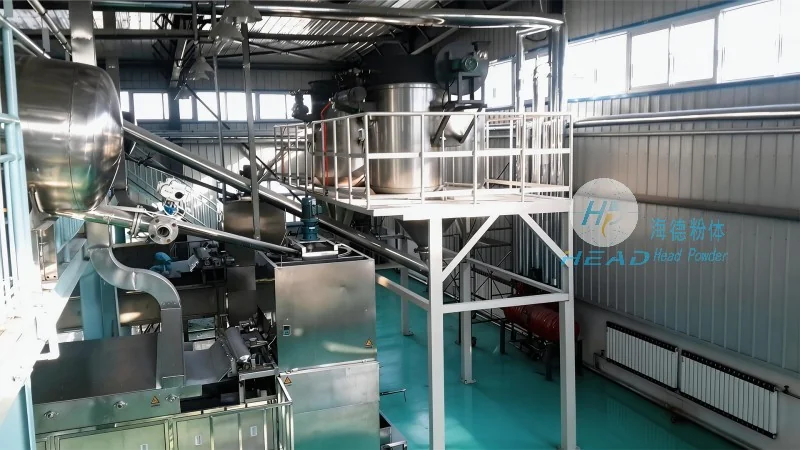
Advantages of the HeadPowder Pneumatic Conveying Solution
Compared to traditional mechanical conveyors, pneumatic systems offer several advantages for sawdust handling. They eliminate the need for moving parts in contact with the material, reducing maintenance costs and minimizing the risk of material contamination. The enclosed pipeline design prevents dust emissions, improving workplace safety and compliance with environmental regulations. Additionally, the system’s flexibility allows for easy integration with existing processing equipment, and its compact design saves valuable floor space in industrial facilities. The headpowder engineering team has optimized the system for energy efficiency, using advanced blower technology and optimized ductwork to reduce operational costs while maintaining high conveying capacity.
Application Scenarios and Customization Options
The sawdust pneumatic conveying system from headpowder is suitable for a wide range of applications, including sawmills, wood processing plants, and biomass energy facilities. The system can be customized to handle different sawdust compositions, such as softwood or hardwood, and can accommodate varying conveying distances and flow rates. The headpowder team works closely with clients to assess their specific requirements and design a system that meets their operational needs. Whether for short-distance transport within a facility or longer-distance transfer between buildings, the system provides reliable and efficient material handling solutions.




