Chromium(III) oxide, also known as chromium sesquioxide, is a widely used inorganic compound with applications in various industries, including pigments, catalysts, and coatings. The efficient handling and transportation of this material are critical for industrial processes to maintain productivity and safety standards. This article explores the material handling equipment designed for chromium(III) oxide and delves into the underlying design principles that ensure optimal performance.
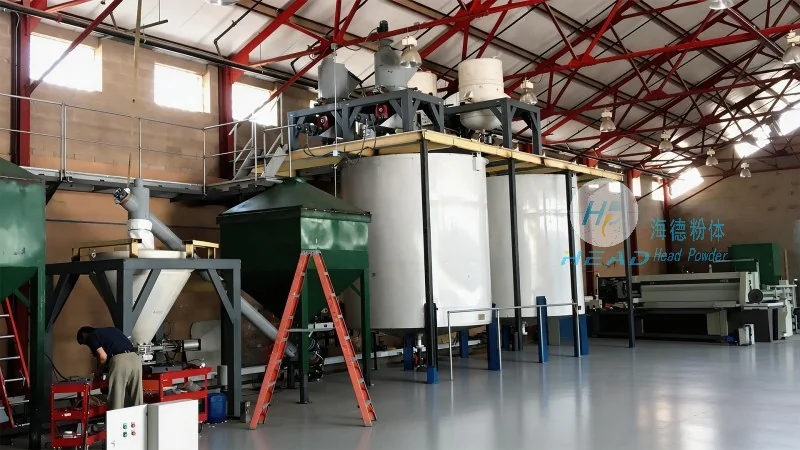
HeadPowder: Your Trusted Partner in Material Handling Solutions
Shandong HeadPowder Engineering Co., Ltd., commonly known as HeadPowder, is a leading manufacturer specializing in engineering solutions for material handling and processing. With a strong presence in China, particularly in Shandong, the company has built a reputation for delivering high-quality equipment tailored to the unique needs of industries dealing with hazardous or specialized materials like chromium(III) oxide. HeadPowder's commitment to innovation and safety ensures that their equipment meets the stringent requirements of modern industrial applications.
Understanding the Design Principles of Chromium(III) Oxide Material Handling Equipment
The design of chromium(III) oxide material handling equipment is driven by several key principles aimed at ensuring safety, efficiency, and durability. First, the equipment must be constructed from materials that are resistant to corrosion and chemical reactions with the oxide, as chromium(III) oxide can be reactive under certain conditions. Stainless steel or specialized alloys are commonly used for components that come into direct contact with the material to prevent contamination and equipment degradation.
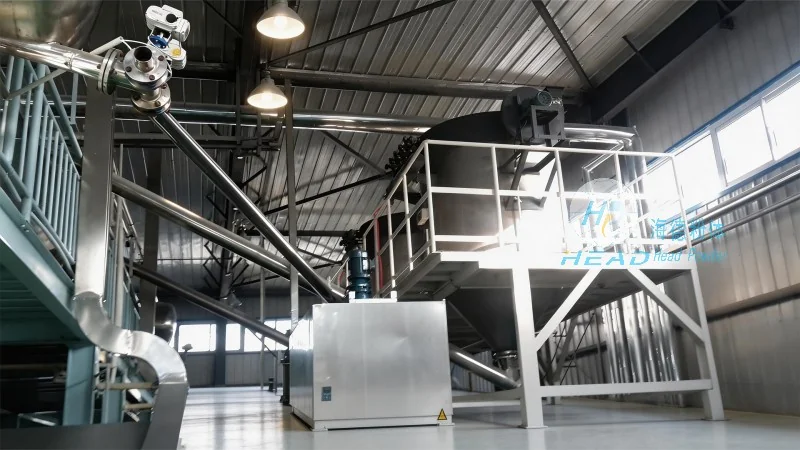
Second, the equipment is engineered to minimize dust generation and exposure risks. Chromium(III) oxide is a fine powder that can pose respiratory hazards if inhaled. Therefore, enclosed systems with effective dust collection and filtration are integral to the design. This includes features such as sealed hoppers, airtight conveyor systems, and integrated dust extraction mechanisms to maintain a safe working environment.
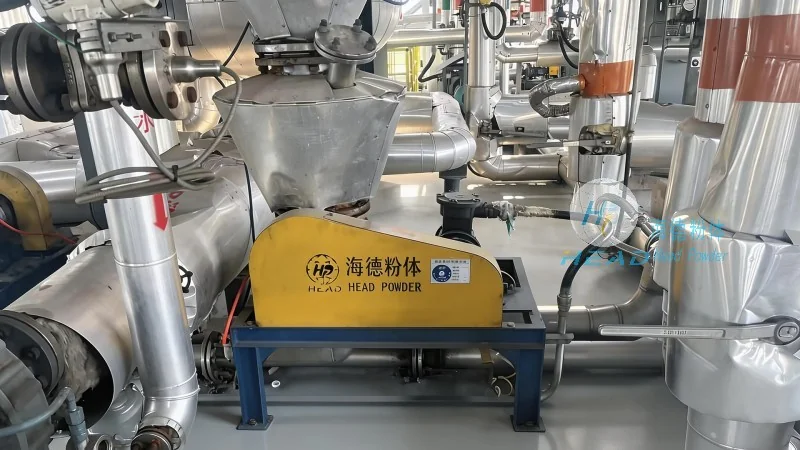
Third, the design prioritizes operational efficiency. The equipment is optimized for consistent flow rates and minimal downtime. This involves the use of robust motors, reliable drive systems, and smooth belt or screw mechanisms that can handle the abrasive nature of the material without excessive wear. Additionally, the equipment is designed for easy maintenance, with accessible components that allow for quick inspections and repairs, reducing overall operational costs.
Key Components and Functional Aspects
The material handling equipment for chromium(III) oxide typically includes several key components that work in tandem to ensure effective operation. The primary components include a hopper for material storage, a conveyor system (such as a belt or screw conveyor) for transporting the material, and a discharge mechanism for delivering the material to the next stage of processing. The hopper is often equipped with a level indicator to monitor the material volume, ensuring that the system operates at optimal capacity.
The conveyor system is a critical part of the design, as it must handle the fine, abrasive nature of chromium(III) oxide. Belt conveyors are commonly used for horizontal or slight incline transport, while screw conveyors are preferred for vertical or more complex path applications. Both systems are designed with heavy-duty construction to withstand the wear caused by the material. The use of special coatings or linings on the conveyor surfaces further enhances durability and reduces material buildup.
For safety and environmental compliance, the equipment is equipped with dust suppression systems. These systems may include wet scrubbers or air filtration units that capture and neutralize any airborne particles. Additionally, the design incorporates emergency stop mechanisms and safety interlocks to prevent accidents and ensure that operators can quickly respond to any issues that arise during operation.
Advantages of Using Specialized Material Handling Equipment
Investing in specialized material handling equipment for chromium(III) oxide offers several advantages over traditional methods. First, it significantly improves safety by reducing exposure to airborne particles and minimizing the risk of dust explosions. The enclosed design and dust control systems create a safer working environment for operators, which is crucial when handling potentially hazardous materials.
Second, the equipment enhances operational efficiency by ensuring consistent and reliable material flow. This reduces downtime and increases overall productivity in industrial processes. The robust construction and easy maintenance features also contribute to lower long-term operational costs, as the equipment requires less frequent repairs and replacements.
Third, the specialized design ensures that the material is handled without contamination or degradation. This is particularly important for chromium(III) oxide, which is often used in applications where purity is critical, such as in the production of pigments or catalysts. The equipment's ability to maintain the material's quality throughout the handling process is a key benefit for industries that rely on high-purity products.




