HeadPowder, a leading engineering company based in Shandong, China, specializes in the design and implementation of advanced material handling solutions. One of their key products is the Camellia Seed Material Pneumatic Conveying System, engineered to efficiently transport camellia seeds through pneumatic conveying technology. This system is particularly valuable in the oil extraction industry, where reliable and efficient seed handling is crucial for downstream processing.
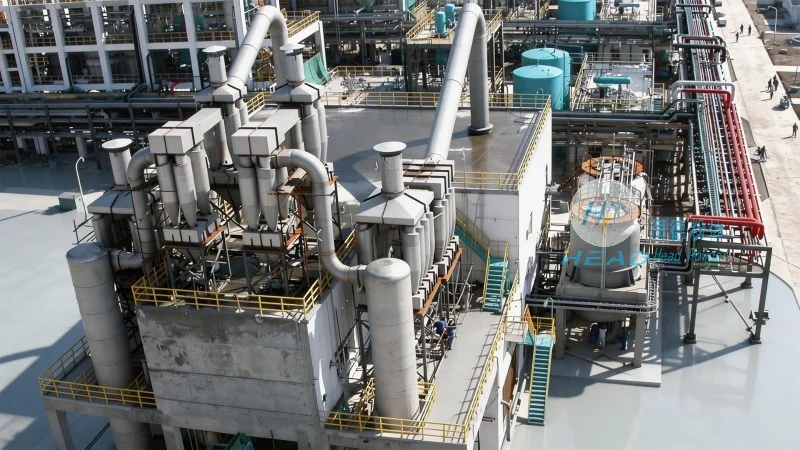
Overview of the Camellia Seed Pneumatic Conveying System
The Camellia Seed Material Pneumatic Conveying System is a sophisticated piece of equipment designed to handle the unique characteristics of camellia seeds. These seeds are often small, lightweight, and may have a tendency to clump or degrade if not handled carefully. The system addresses these challenges by utilizing a combination of high-efficiency air movement, specialized hopper designs, and precise control mechanisms. The primary goal is to ensure that the seeds are conveyed from the source (such as a storage silo or processing line) to the next stage of production with minimal loss, contamination, or damage.
Key Components of the System
The system consists of several critical components that work in tandem to achieve effective pneumatic conveying. These include a feed hopper, a rotary valve, a positive displacement blower or centrifugal fan, a conveying pipeline network, and a discharge hopper or collection unit. Each component plays a vital role in the overall operation:
- Feed Hopper: This is the initial container where camellia seeds are stored before being fed into the system. It is typically equipped with a gate or valve to control the flow rate of the seeds into the rotary valve.
- Rotary Valve: The rotary valve acts as a controlled feed mechanism, regulating the amount of seeds entering the conveying line. It ensures a steady, consistent flow of material, preventing overloading or blockages in the system.
- Blower/Fan: The heart of the pneumatic system, the blower or fan generates the necessary air pressure and flow rate to move the seeds through the pipeline. Positive displacement blowers are often preferred for this application due to their ability to maintain consistent air volume, even under varying load conditions.
- Conveying Pipeline: The pipeline network is made of durable materials, such as stainless steel or PVC, to withstand the abrasive nature of camellia seeds and the corrosive effects of any residual oil or moisture. The design of the pipeline, including bends and straight sections, is optimized to minimize pressure loss and ensure smooth material flow.
- Discharge Hopper: At the receiving end of the pipeline, the discharge hopper collects the conveyed seeds. It may include a vibrating screen or separator to remove any foreign materials or debris before the seeds are transferred to the next processing stage.
Operation Process of the Pneumatic Conveying System
The operation of the Camellia Seed Material Pneumatic Conveying System follows a systematic sequence to ensure efficient and safe material transport. The process begins with the loading of the feed hopper with camellia seeds. Once the hopper is filled, the system is started by activating the blower and the rotary valve. The blower creates a vacuum or pressure within the pipeline, depending on the system configuration (either suction or pressure conveying), and the seeds are drawn or pushed through the pipeline by the moving air stream.
During the conveying process, the system continuously monitors the flow rate and pressure. If the pressure drops or the flow rate changes, the control system adjusts the blower speed or the rotary valve position to maintain optimal conditions. This feedback mechanism ensures that the system operates within its designed parameters, preventing system failures or material blockages.
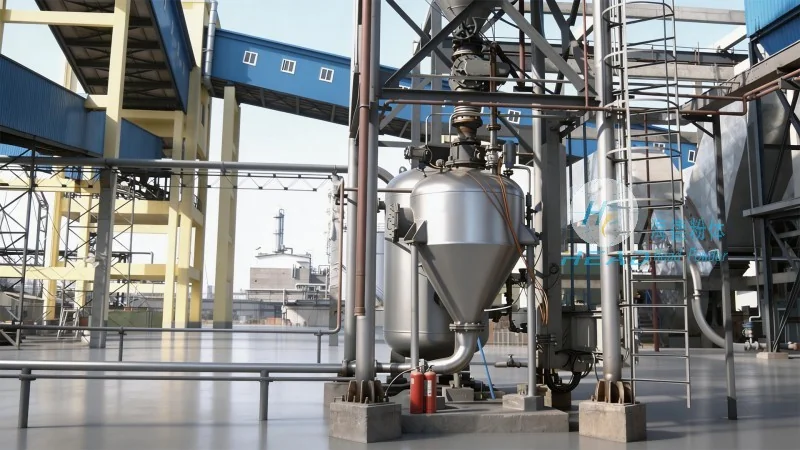
The seeds travel through the pipeline at high velocity, often reaching speeds of several meters per second. The pipeline design, including the use of smooth inner surfaces and appropriate bends with gradual angles, minimizes friction and reduces the risk of seed degradation or damage. Upon reaching the discharge hopper, the seeds are collected and prepared for further processing, such as oil extraction or storage.
Working Principle of Pneumatic Conveying for Camellia Seeds
The working principle of the Camellia Seed Material Pneumatic Conveying System is based on the fundamental physics of fluid dynamics and particle transport. Pneumatic conveying relies on the movement of air to transport solid particles through a pipeline. In this system, the seeds are suspended in the air stream and carried along the pipeline to the destination. The key factors influencing the efficiency of this process include air velocity, particle size, and the density of the material.
For camellia seeds, which are relatively small (typically 2-5 mm in diameter) and lightweight, the system is designed to operate at air velocities that are sufficient to keep the seeds in suspension but not so high as to cause excessive wear on the pipeline or equipment. The positive displacement blower provides a consistent air flow, ensuring that the seeds are not deposited prematurely in the pipeline. The rotary valve controls the feed rate, matching the air flow to the seed supply, which is critical for maintaining stable operation.
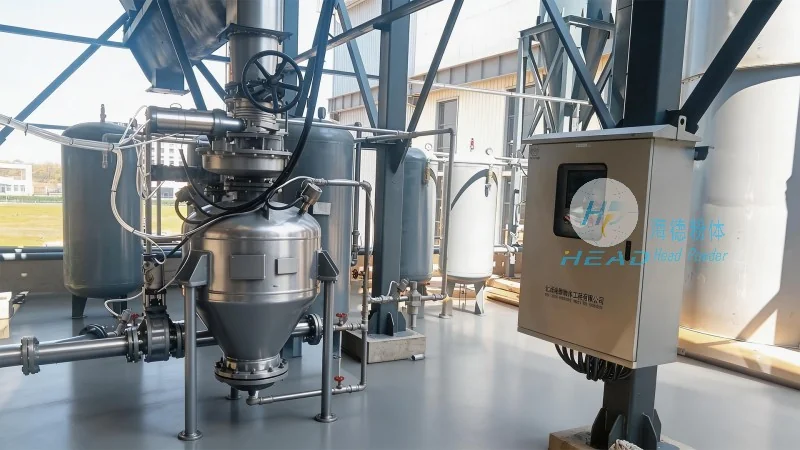
The system may employ either suction or pressure conveying methods. Suction conveying draws the seeds from the feed hopper using a vacuum created by the blower, while pressure conveying pushes the seeds through the pipeline using compressed air. Both methods have their advantages, and the choice depends on the specific application and the distance the seeds need to be transported. For longer distances or when transporting seeds from multiple sources, pressure conveying is often preferred due to its higher efficiency and ability to handle larger volumes.
Advantages and Benefits of the System
The Camellia Seed Material Pneumatic Conveying System offers several advantages over traditional mechanical conveying methods. First, it eliminates the need for moving parts in the conveying line, reducing maintenance requirements and the risk of mechanical failure. Second, the system is highly flexible, allowing for changes in the conveying route or distance without significant modifications. Third, it provides a hygienic and dust-free environment, which is essential for food processing applications, as it prevents contamination and ensures product quality.
Additionally, the system is energy-efficient compared to other conveying methods, as the air flow is optimized to minimize energy consumption while maintaining the required conveying capacity. The use of stainless steel or corrosion-resistant materials ensures durability and longevity, reducing the need for frequent replacements or repairs. Overall, the system enhances productivity by streamlining the material handling process and reducing downtime due to equipment failures or blockages.
Conclusion
HeadPowder's Camellia Seed Material Pneumatic Conveying System is a reliable and efficient solution for handling camellia seeds in the oil extraction industry. By leveraging pneumatic conveying technology, the system ensures that seeds are transported with minimal loss, damage, or contamination, while maintaining a high level of operational efficiency. The combination of advanced components, precise control mechanisms, and optimized design makes this system an ideal choice for businesses seeking to improve their material handling processes and enhance overall productivity.




