For businesses involved in the production and handling of powder electrolytes, selecting the right material handling equipment is crucial for efficiency and safety. Powder electrolyte material handling equipment is specifically designed to manage the transport, storage, and processing of these materials, which are often used in battery manufacturing and other industrial applications. Understanding the design principles behind such equipment is essential for optimizing operations and ensuring compliance with industry standards.
Understanding Powder Electrolyte Material Handling Equipment
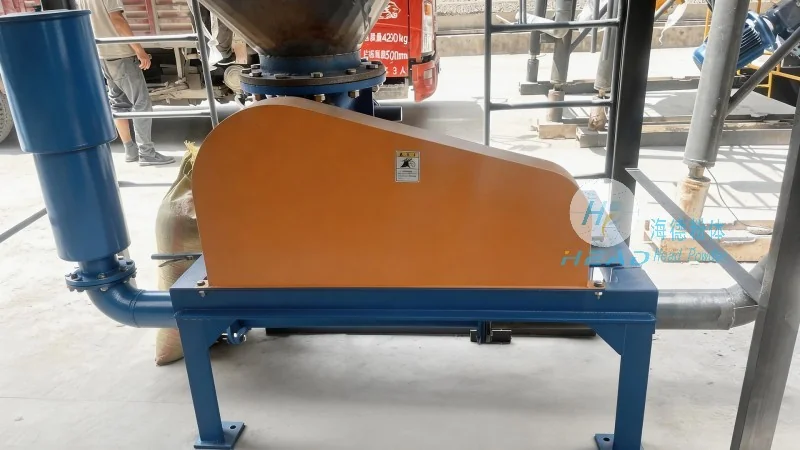
Powder electrolyte material handling equipment is a specialized system engineered to handle the unique properties of powder electrolytes. These materials are typically fine-grained, conductive, and can be sensitive to moisture or contamination. The equipment must address challenges such as dust generation, material flow control, and the need for cleanroom or controlled environments. The design of these systems is tailored to meet the specific requirements of the powder electrolyte being handled, ensuring that the material remains in a stable and usable state throughout the handling process.
Key Design Principles of Powder Electrolyte Handling Equipment
The design of powder electrolyte material handling equipment is guided by several critical principles aimed at maximizing efficiency, safety, and material integrity. One of the primary principles is the prevention of material degradation or contamination. This involves using materials that are compatible with the powder electrolyte, such as stainless steel or specialized plastics, to avoid chemical reactions or absorption of moisture. Additionally, the equipment is designed to minimize dust generation and ensure proper ventilation to maintain a safe working environment.
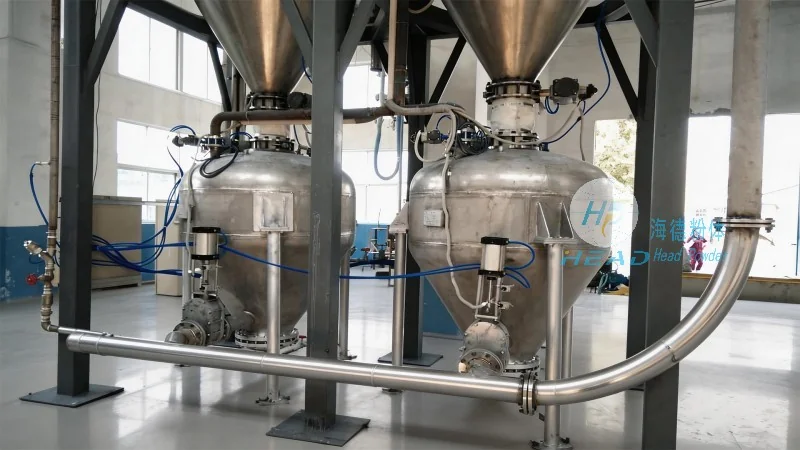
Another key principle is the control of material flow. Powder electrolytes can be prone to bridging, caking, or segregation, which can disrupt the handling process. The equipment incorporates features like agitators, vibrators, and air knives to maintain consistent flow and prevent blockages. These mechanisms ensure that the powder moves smoothly through the system, reducing downtime and improving overall throughput. The design also emphasizes the ability to handle varying particle sizes and bulk densities, making the equipment versatile for different applications.
Components and Functional Aspects
Powder electrolyte material handling equipment typically consists of several interconnected components, each playing a vital role in the overall system. The primary components include feeders, conveyors, storage hoppers, and processing units. Feeders are responsible for controlling the flow rate of the powder electrolyte from the source to the conveyor system. They are often equipped with adjustable speed controls to regulate the material discharge, ensuring a consistent feed rate. Conveyors, such as screw conveyors or pneumatic systems, transport the powder electrolyte from one location to another within the facility. These conveyors are designed to handle the specific characteristics of the powder, such as its density and flowability.
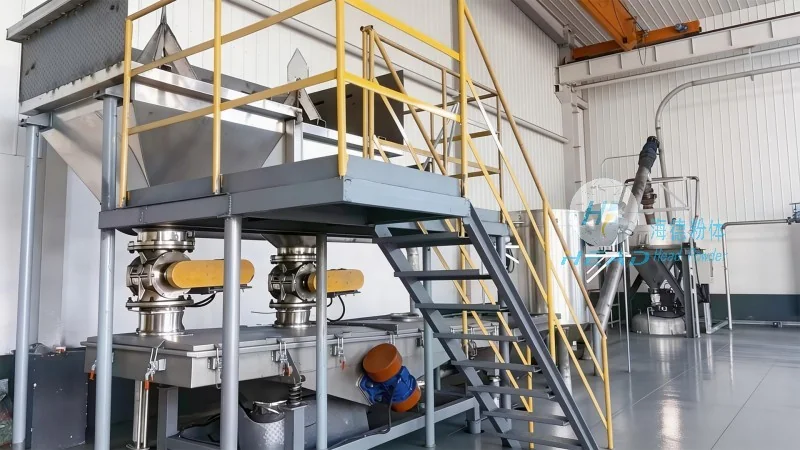
Storage hoppers are used to temporarily hold the powder electrolyte before it is processed or transported to the next stage. These hoppers are equipped with level indicators and sometimes agitators to prevent material settling or caking. The processing units may include mixers, classifiers, or other equipment depending on the specific application. For example, in battery manufacturing, the powder electrolyte may need to be mixed with other components or classified by particle size. The design of these units ensures that the powder electrolyte is processed uniformly and efficiently.
Importance of Proper Design and Maintenance
The effectiveness of powder electrolyte material handling equipment heavily relies on proper design and regular maintenance. A well-designed system minimizes the risk of material loss, contamination, or equipment failure. Regular maintenance, including cleaning, lubrication, and inspection of components, is essential to ensure the equipment operates at optimal performance levels. This not only extends the lifespan of the equipment but also maintains the quality of the powder electrolyte being handled. Proper maintenance also helps in identifying potential issues early, preventing costly downtime and ensuring consistent production output.
About Shandong HeadPowder Engineering Co., Ltd.
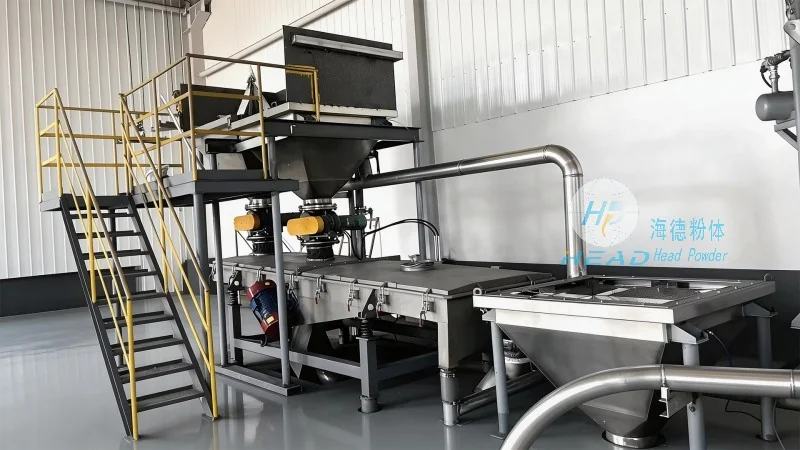
Shandong HeadPowder Engineering Co., Ltd., commonly known as headpowder, is a leading manufacturer of specialized material handling equipment for the powder industry. With a focus on innovation and quality, the company has developed advanced solutions for handling various types of powders, including powder electrolytes. Headpowder's expertise lies in understanding the unique challenges of powder handling and designing equipment that addresses these challenges effectively. The company's products are engineered to meet the highest standards of performance, safety, and reliability, making them suitable for demanding industrial applications. Headpowder is committed to providing customized solutions tailored to the specific needs of its clients, ensuring that businesses can optimize their material handling processes and achieve their operational goals.
Conclusion
Powder electrolyte material handling equipment is a critical component in industries that rely on these materials. The design principles behind such equipment focus on maintaining material integrity, ensuring safe operation, and optimizing efficiency. By understanding these principles and investing in high-quality equipment, businesses can enhance their productivity, reduce costs, and improve overall operational performance. Shandong HeadPowder Engineering Co., Ltd. offers advanced solutions that meet these requirements, helping companies in the powder electrolyte industry achieve their goals with reliability and efficiency.




