Pneumatic conveying systems are essential in the industrial sector for efficiently transporting bulk materials like cement and aggregates. These systems utilize air pressure to move materials from one location to another, offering a reliable and efficient solution for material handling. The operation of such systems involves a series of steps and principles that ensure smooth and continuous material transport. This article delves into the operation process and working principles of a cement aggregate material pneumatic conveying system, highlighting the key components and mechanisms involved.
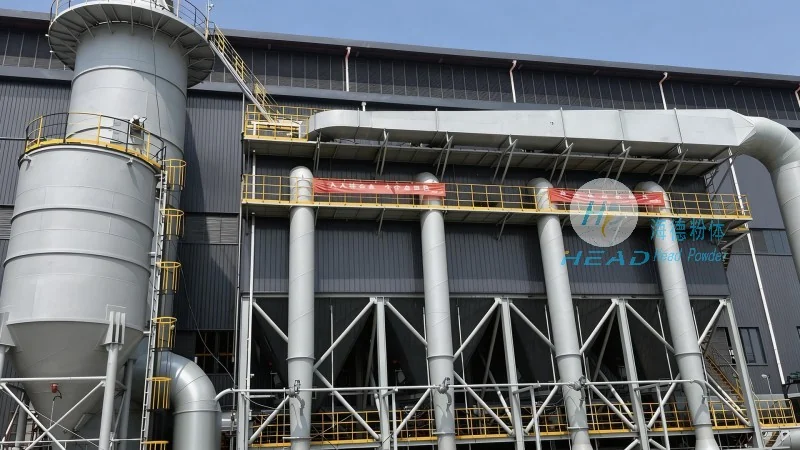
Key Components of the Pneumatic Conveying System
The pneumatic conveying system for cement and aggregates typically consists of several critical components. These include the material hopper, which stores the bulk material; the air compressor or blower, which generates the necessary air pressure; the conveying line, which transports the material; and the discharge hopper or receiver, where the material is deposited. Each component plays a vital role in the overall system performance. The material hopper ensures a consistent feed of the cement or aggregate, while the air compressor provides the driving force for material movement. The conveying line, often made of metal or flexible tubing, carries the material through the system, and the discharge hopper collects the material at the destination. Additionally, auxiliary components like filters, silencers, and pressure regulators may be included to enhance system efficiency and safety.
Working Principle of the Pneumatic Conveying System
The working principle of a pneumatic conveying system relies on the creation of a pressure differential between the material source and the discharge point. When the air compressor operates, it generates high-pressure air that is introduced into the conveying line. This air then flows through the material hopper, where it lifts and suspends the cement or aggregate particles. The suspended particles are carried along the conveying line by the moving air stream. As the material travels through the system, it may encounter bends or changes in direction, which are accommodated by the design of the conveying line and associated fittings. The air and material mixture continues until it reaches the discharge hopper, where the air is separated from the material, often through a filter or cyclone separator. The separated air is then released back into the environment, while the material is collected for further use.
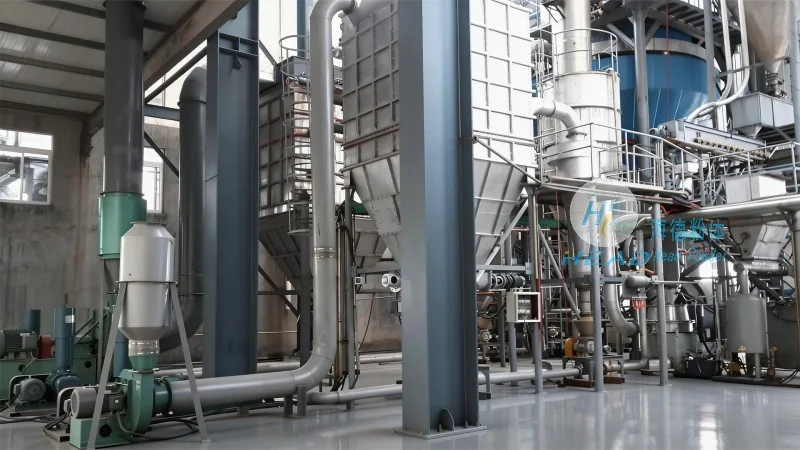
Operation Process of the Pneumatic Conveying System
The operation process of the cement aggregate material pneumatic conveying system involves several sequential steps. First, the material is loaded into the material hopper from a storage silo or truck. The hopper is designed to maintain a consistent material level, ensuring a steady feed. Next, the air compressor is activated, and the system is pressurized. As the air pressure builds, it begins to lift the material from the hopper, creating a flow of material-air mixture through the conveying line. The material is then transported to the discharge hopper, where it is deposited. The system may include a control panel that monitors pressure, flow rate, and other parameters to ensure optimal operation. During operation, the system may experience variations in material feed rate or air pressure, which can be adjusted to maintain consistent performance. Regular maintenance, such as cleaning filters and checking air compressor performance, is essential to keep the system running efficiently.
Advantages of Using Pneumatic Conveying Systems for Cement and Aggregates
Pneumatic conveying systems offer several advantages when transporting cement and aggregate materials. One of the primary benefits is the ability to transport materials over long distances without the need for intermediate storage or transfer points. This reduces the risk of material degradation and contamination. Additionally, the system is enclosed, which helps to prevent dust emissions and improve workplace safety. The enclosed design also allows for better control over material quality, as it minimizes exposure to the environment. Another advantage is the flexibility of the system, as it can be easily adapted to different material types and transport requirements. The system can handle a wide range of particle sizes and densities, making it suitable for various industrial applications. Furthermore, pneumatic conveying systems are relatively compact and can be installed in confined spaces, which is beneficial for facilities with limited floor space.
Applications of Pneumatic Conveying Systems in the Cement Industry
In the cement industry, pneumatic conveying systems are widely used for transporting raw materials, such as limestone and clay, as well as finished products like cement. The systems are particularly useful in cement plants where materials need to be moved between different processing stages. For example, raw materials are often transported from storage silos to the raw mill, and finished cement is conveyed from the clinker cooler to the packaging plant. The efficiency of the pneumatic conveying system ensures that material handling is done quickly and with minimal downtime. This is crucial in cement production, where maintaining a consistent supply of materials is essential for production continuity. The systems also help to reduce labor costs, as they automate the material transport process, eliminating the need for manual handling and reducing the risk of accidents.
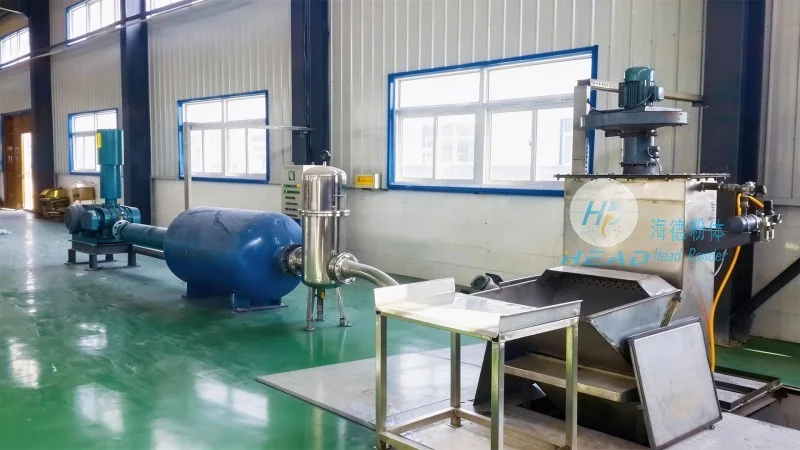
Maintenance and Troubleshooting of Pneumatic Conveying Systems
Maintenance is a critical aspect of ensuring the long-term performance of a pneumatic conveying system. Regular maintenance helps to prevent system failures and extend the lifespan of the components. Key maintenance tasks include cleaning the filters and cyclone separators to prevent clogging, checking the air compressor for proper operation, and inspecting the conveying line for any signs of wear or damage. The filters are particularly important, as they prevent dust and debris from entering the air compressor and damaging its components. If the filters become clogged, the system's performance will decline, and the air compressor may overheat. Similarly, the cyclone separator must be cleaned regularly to ensure that material is effectively separated from the air. Troubleshooting common issues, such as low material flow or air leaks, is also essential. Low material flow may indicate a blockage in the conveying line or a problem with the material feed. Air leaks can reduce the system's efficiency and increase energy consumption. By addressing these issues promptly, the system can be kept in optimal condition.
Conclusion
Pneumatic conveying systems are a reliable and efficient solution for transporting cement and aggregate materials in industrial applications. The operation process involves a series of steps, from material loading to discharge, and relies on the principles of air pressure and material suspension. The key components, including the material hopper, air compressor, conveying line, and discharge hopper, work together to ensure smooth material transport. The advantages of using such systems, including enclosed transport, flexibility, and reduced labor costs, make them a preferred choice in the cement industry. Regular maintenance and proper troubleshooting are essential to keep the system running efficiently and effectively. As technology advances, pneumatic conveying systems continue to evolve, offering even more efficient and sustainable solutions for material handling in the cement and aggregate sectors.




