Shandong HeadPowder Engineering Co., Ltd., a leading enterprise in the field of material handling solutions, specializes in the design, manufacturing, and implementation of advanced pneumatic conveying systems. HeadPowder, as the company is commonly known, is headquartered in Shandong, China, and has established a strong reputation for delivering efficient and reliable solutions tailored to the unique requirements of various industrial applications.
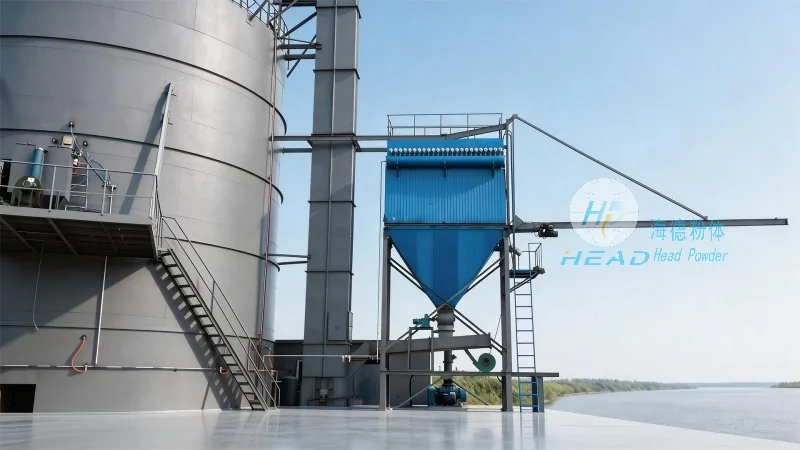
Pneumatic Conveying Systems: An Overview
Pneumatic conveying is a method of transporting bulk materials, such as powders and granules, using a stream of air or other gas. This technology offers numerous advantages over traditional mechanical conveying methods, including reduced equipment wear, lower maintenance costs, and the ability to handle materials in a closed system, minimizing dust and environmental contamination. For materials like magnesium oxide, which are often sensitive to moisture and air exposure, pneumatic conveying provides a hygienic and efficient means of transport.
The Working Principle of Pneumatic Conveying
The core of a pneumatic conveying system involves the creation of a pressure differential that propels the material through a pipeline. In a typical system, the material is introduced into a hopper or feeder, where it is then drawn into a venturi or a rotary valve by the moving air stream. The air, often under positive pressure or suction, carries the material particles along the pipeline to the destination point, such as a storage silo or processing unit. The system relies on the balance between air velocity and material particle size to ensure smooth and continuous transport. For magnesium oxide, which has specific flow characteristics and particle size distribution, the system design must be optimized to prevent blockages and ensure consistent flow rates.
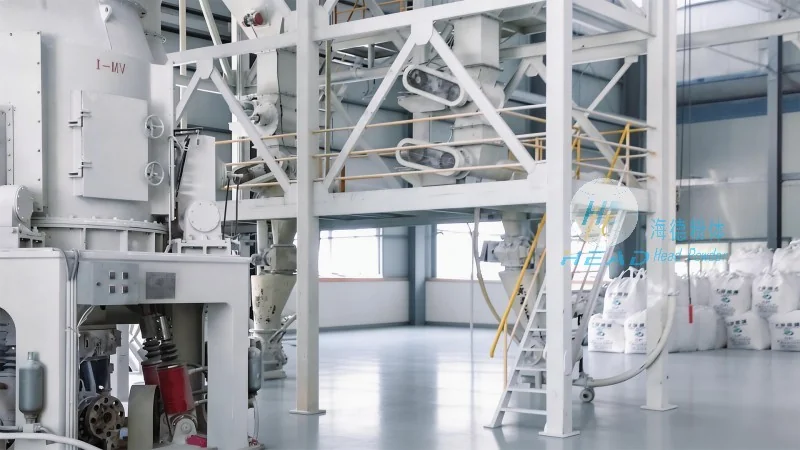
Operation Process of Magnesium Oxide Pneumatic Conveying
The operation process of a magnesium oxide pneumatic conveying system begins with the preparation of the material. The raw magnesium oxide is typically stored in a silo or hopper, where it is fed into the conveying system via a feeder. The feeder, often a rotary valve or a screw feeder, controls the flow rate of the material into the system. As the material enters the pipeline, it is entrained by the high-velocity air stream, which is generated by a blower or a fan. The air stream, moving through the pipeline, carries the magnesium oxide particles to the receiving end. At the receiving end, the material is deposited into a storage vessel or directly into a processing unit. The system may include additional components, such as cyclones or filters, to separate any air from the material stream and ensure that the material is delivered in a dry and free-flowing state.
Key Components and Their Functions
Several critical components work together to ensure the efficient operation of a magnesium oxide pneumatic conveying system. The blower or fan provides the necessary air pressure and flow rate to move the material. The feeder regulates the material input, preventing overloading and ensuring a consistent flow. The pipeline, typically made of stainless steel or other corrosion-resistant materials, is designed to handle the material's properties and prevent clogging. The venturi or other air-drawing devices create the pressure differential needed to draw the material into the system. Additionally, filters and cyclones are used to clean the air and remove any fine particles, maintaining the system's performance and preventing contamination of the material.
Advantages of Pneumatic Conveying for Magnesium Oxide
Implementing a pneumatic conveying system for magnesium oxide offers several key advantages. First, it provides a closed system that protects the material from moisture and air exposure, which is crucial for maintaining the material's quality and reactivity. Second, the system reduces dust generation and environmental impact, making it a more environmentally friendly option compared to traditional methods. Third, the equipment is generally more compact and requires less space compared to mechanical conveying systems, which is beneficial for facilities with limited floor space. Finally, the system offers high efficiency and reliability, with minimal downtime and maintenance requirements, leading to cost savings over the long term.
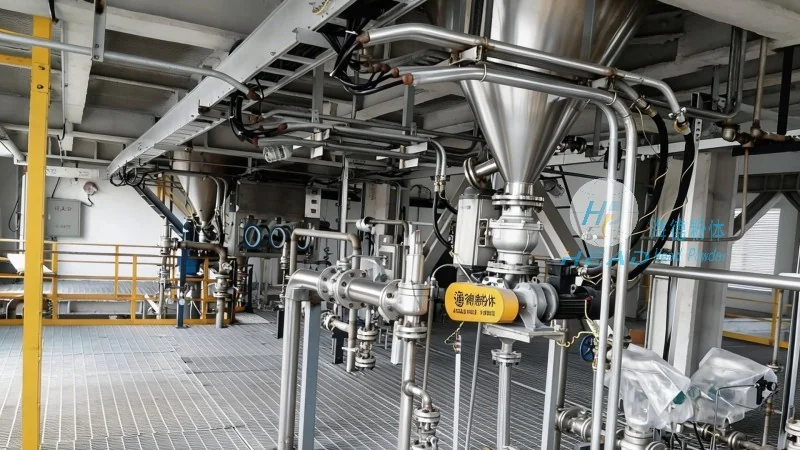
Application Examples and Industry Use Cases
Magnesium oxide pneumatic conveying systems are widely used in various industries, including chemical manufacturing, pharmaceuticals, and food processing. In the chemical industry, magnesium oxide is often used as a filler or a catalyst, and the conveying system ensures that it is delivered to reactors and processing units without contamination. In the pharmaceutical industry, the closed system is essential for maintaining the purity and sterility of the material, which is critical for drug manufacturing. Similarly, in the food industry, the system helps maintain the quality and safety of magnesium oxide used as an additive or a processing aid. These applications highlight the versatility and effectiveness of pneumatic conveying systems in handling sensitive materials like magnesium oxide.
Conclusion and Service Offerings from HeadPowder
Shandong HeadPowder Engineering Co., Ltd. specializes in providing customized pneumatic conveying solutions for magnesium oxide and other bulk materials. With years of experience and a deep understanding of material handling technologies, HeadPowder offers comprehensive services, including system design, installation, and maintenance. The company's expertise ensures that each system is tailored to the specific needs of the client, maximizing efficiency and minimizing operational costs. By leveraging advanced engineering and quality materials, HeadPowder delivers reliable and durable pneumatic conveying systems that meet the highest industry standards. For businesses seeking to improve their material handling processes, HeadPowder is a trusted partner in achieving efficient and sustainable operations.




