HeadPowder, a leading manufacturer in the field of material handling systems, specializes in the design, development, and implementation of pneumatic conveying solutions for various industrial applications, including the efficient transport of gypsum powder. This article provides a detailed overview of the operation process and working principle of gypsum powder pneumatic conveying systems, highlighting the key components, operational steps, and the technical advantages that make such systems ideal for handling this specific material.
Understanding Gypsum Powder and Its Handling Challenges
Gypsum powder, a common industrial material used in construction, plastering, and other manufacturing processes, presents unique handling challenges due to its fine particle size, hygroscopic nature, and potential for dust generation. Traditional handling methods, such as bucket elevators or belt conveyors, may not be suitable for gypsum powder as they can lead to material degradation, increased maintenance costs, and environmental concerns. Pneumatic conveying offers a more efficient and controlled solution to address these challenges by utilizing air to transport the material through a closed system.
The Core Components of a Gypsum Powder Pneumatic Conveying System
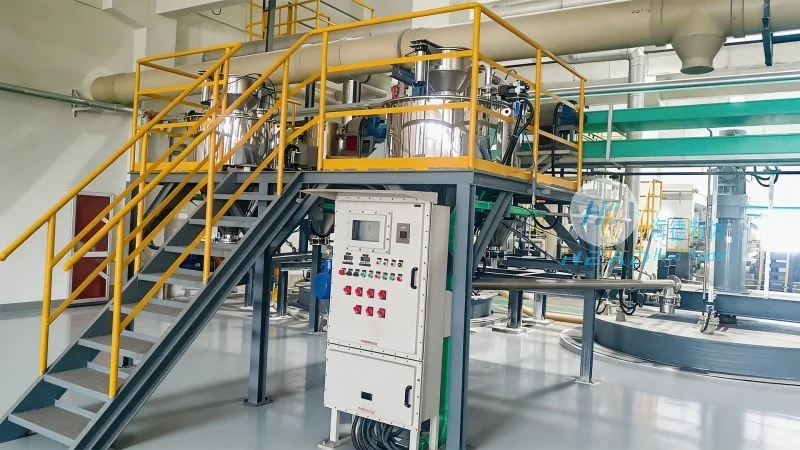
A typical gypsum powder pneumatic conveying system consists of several key components that work in tandem to ensure smooth and reliable operation. These components include a material hopper or feeder, a rotary airlock valve, a conveying pipeline, a dust collector or filter system, and a receiver or discharge hopper. Each component plays a crucial role in the overall performance and efficiency of the system.
The material hopper is responsible for storing the gypsum powder and feeding it into the system at a controlled rate. The rotary airlock valve acts as a gate between the hopper and the conveying pipeline, preventing backflow and ensuring a consistent flow of material. The conveying pipeline, usually made of stainless steel or other corrosion-resistant materials, transports the powder and air mixture from the feeding point to the discharge point. The dust collector or filter system is essential for capturing any fine particles that may escape from the system, ensuring compliance with environmental regulations and maintaining a clean working environment. Finally, the receiver or discharge hopper collects the conveyed gypsum powder and delivers it to the next processing stage.
Operation Process of Gypsum Powder Pneumatic Conveying
The operation process of a gypsum powder pneumatic conveying system involves several sequential steps that ensure the material is transported safely and efficiently. The process typically begins with the loading of gypsum powder into the material hopper. The rotary airlock valve then opens to allow the powder to enter the conveying pipeline as air is introduced from a blower or compressor. The air and powder mixture travels through the pipeline at a controlled velocity, with the air pressure and flow rate being carefully regulated to maintain the desired conveying conditions. As the mixture reaches the discharge point, the air is separated from the powder, and the powder is collected in the receiver hopper. The air, now containing any fine particles, is then filtered and discharged through the dust collector.
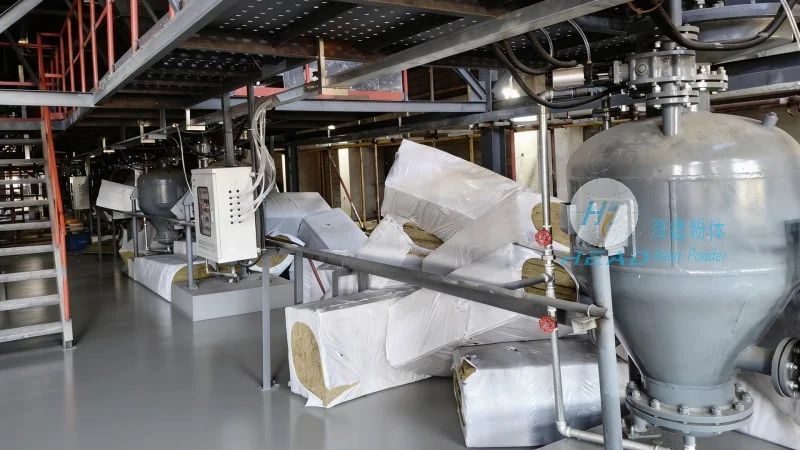
During the operation, the system continuously monitors key parameters such as air pressure, flow rate, and material feed rate to ensure optimal performance. Any deviations from the set parameters are automatically adjusted by the control system to maintain consistent conveying efficiency. This closed-loop control system is crucial for preventing material blockages, ensuring uniform particle size distribution, and minimizing energy consumption.
Working Principle of Pneumatic Conveying for Gypsum Powder
The working principle of pneumatic conveying for gypsum powder is based on the fundamental concept of transporting solid particles suspended in a moving air stream. There are two main types of pneumatic conveying systems: pressure and vacuum systems. For gypsum powder, pressure systems are more commonly used due to their ability to handle high material loads and long conveying distances.
In a pressure system, the blower or compressor generates high-pressure air that is introduced into the conveying pipeline at the feeding point. The air flows through the pipeline, carrying the gypsum powder particles with it. The velocity of the air stream is maintained above the minimum conveying velocity, which is the speed at which the powder particles are fully suspended and transported without settling. The pressure drop along the pipeline is carefully managed to ensure that the air pressure remains sufficient to overcome friction losses and maintain the material in suspension.
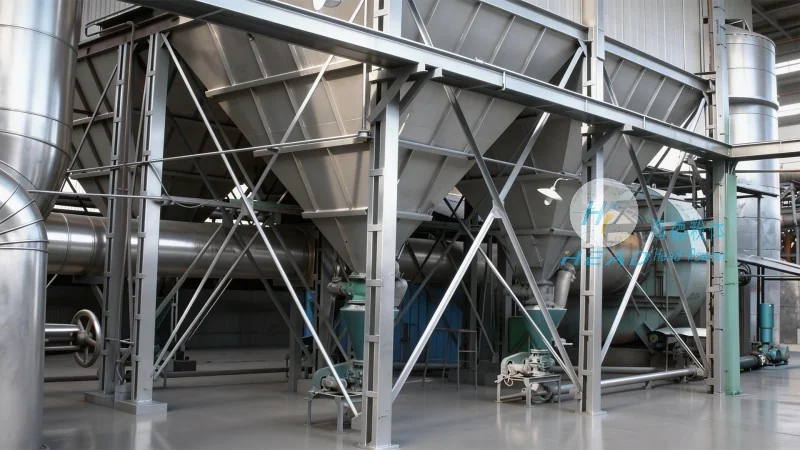
The separation of air and powder occurs at the discharge point, where the air velocity decreases, causing the heavier powder particles to settle and be collected. The air, now containing fine dust particles, passes through a filter system before being discharged. The efficiency of the separation process is critical to the overall performance of the system, as it determines the amount of material lost to the environment and the effectiveness of the dust control measures.
Advantages of Using Pneumatic Conveying for Gypsum Powder
Implementing a pneumatic conveying system for gypsum powder offers several significant advantages over traditional handling methods. Firstly, it provides a closed system that minimizes dust generation and environmental impact, making it more compliant with environmental regulations. Secondly, the system is highly efficient in terms of energy consumption, as it uses air to transport the material rather than mechanical components that may require more power. Thirdly, the closed system reduces the risk of material contamination and degradation, which is particularly important for gypsum powder used in sensitive applications such as construction and pharmaceuticals.
Additionally, pneumatic conveying systems offer flexibility in terms of conveying distance and layout. They can be designed to handle long distances and complex layouts, making them suitable for large-scale industrial facilities. The system also allows for easy integration with other processing equipment, such as mixers, dryers, or packaging machines, enabling a seamless material flow from the conveying stage to the next processing stage.
Applications of Gypsum Powder Pneumatic Conveying Systems
Gypsum powder pneumatic conveying systems are widely used in various industrial applications where the efficient transport of fine materials is critical. Some common applications include the production of gypsum boards, plaster products, and other building materials. In these applications, the system is used to transport gypsum powder from storage silos to production lines, ensuring a consistent and reliable supply of material.
Another application is in the pharmaceutical and food industries, where the handling of fine powders requires strict contamination control. Pneumatic conveying systems provide a hygienic and dust-free environment, making them suitable for handling gypsum powder used in these industries. Additionally, the system can be adapted to handle other fine materials, such as chemicals or minerals, making it a versatile solution for various industrial needs.




