Phosphate calcium powder, a critical raw material in various industrial applications, requires efficient and reliable handling systems to ensure smooth production processes. The pneumatic conveying equipment designed for phosphate calcium powder offers a solution that combines advanced technology with practical application, enabling safe and effective material transport. This article delves into the operation process and working principle of such equipment, highlighting its key components, operational steps, and the benefits it provides to industrial operations. The equipment is developed by Shandong HeadPowder Engineering Co., Ltd., a leading manufacturer specializing in powder handling solutions, with a focus on delivering high-quality and reliable systems for industrial use.
Key Components of the Pneumatic Conveying System
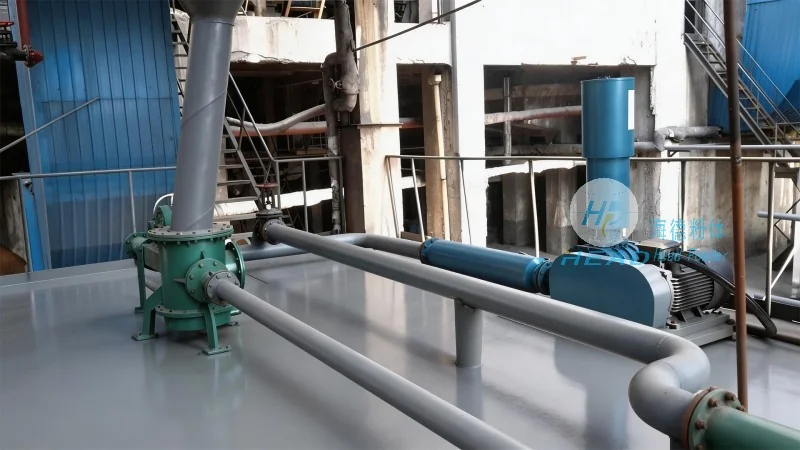
The pneumatic conveying system for phosphate calcium powder typically consists of several essential components that work in tandem to achieve efficient material transport. These components include the hopper or feed hopper, which serves as the storage and feeding unit for the powder. The hopper is equipped with a feeder, often a rotary valve or a screw feeder, that controls the flow rate of the phosphate calcium powder into the system. The conveying line, usually made of stainless steel or other corrosion-resistant materials, is designed to handle the abrasive nature of the powder. The air compressor or blower generates the necessary air pressure to move the powder through the line. Additionally, the system may include a filter or separator to remove any fine particles or dust from the air before it is released back into the environment. Each component plays a crucial role in ensuring the system operates efficiently and safely, with the materials selected to withstand the chemical and physical properties of phosphate calcium powder.
Working Principle of the Pneumatic Conveying Process
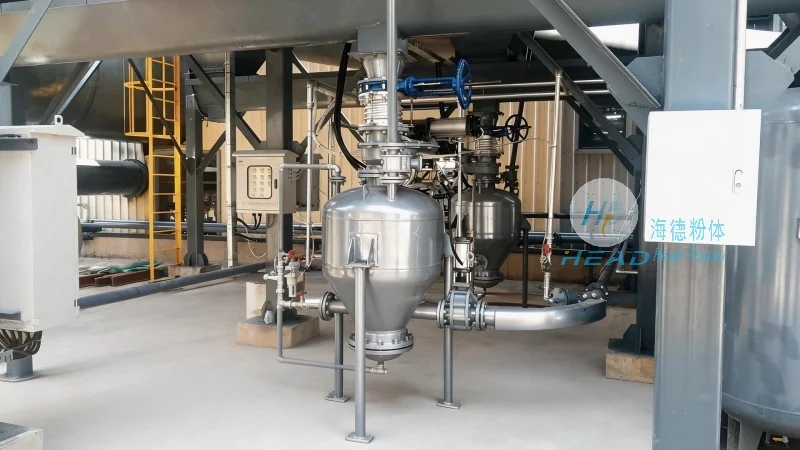
The working principle of the pneumatic conveying equipment for phosphate calcium powder is based on the principle of air flow and particle suspension. The process begins with the powder being fed from the hopper into the conveying line through the feeder. The air compressor then supplies high-pressure air into the line, creating a flow that lifts and transports the powder particles. As the air moves through the conveying line, it carries the phosphate calcium powder in a suspended state, preventing blockages and ensuring consistent flow. The system may use different conveying modes, such as dilute phase or dense phase, depending on the material characteristics and the distance to be covered. In dilute phase conveying, the powder is transported in a fine mist, while in dense phase conveying, the powder is compressed to a higher density, allowing for longer transport distances. The choice of conveying mode depends on factors like the powder's moisture content, particle size, and the required transport distance. The system also includes a control system that monitors the pressure, flow rate, and powder level, ensuring optimal operation and preventing overloading or underflow. This control system is integral to maintaining the stability of the conveying process and adapting to variations in production demands.
Operation Process of the Pneumatic Conveying Equipment
The operation process of the phosphate calcium powder pneumatic conveying equipment involves several sequential steps that ensure the smooth and efficient transport of the material. The first step is the preparation phase, where the hopper is filled with the phosphate calcium powder, and the system is checked for any leaks or malfunctions. The feeder is then adjusted to the desired flow rate, which is determined based on the production requirements and the system's capacity. The air compressor is started, and the pressure is gradually increased to the optimal level for conveying. As the system starts operating, the powder is fed into the conveying line, and the air flow carries the particles to the destination point, such as a storage silo or a processing unit. The system continuously monitors the pressure and flow rate, adjusting the air supply as needed to maintain a stable flow. The filter or separator at the end of the line removes any fine particles from the air, preventing dust contamination and ensuring compliance with environmental regulations. The operation process is designed to be automated, with the control system managing all the parameters to ensure consistent performance. This automation reduces the need for manual intervention, minimizing the risk of errors and improving overall efficiency. The system is also equipped with safety features, such as pressure relief valves and emergency stop buttons, to protect operators and equipment from potential hazards.
Benefits and Advantages of the Pneumatic Conveying System
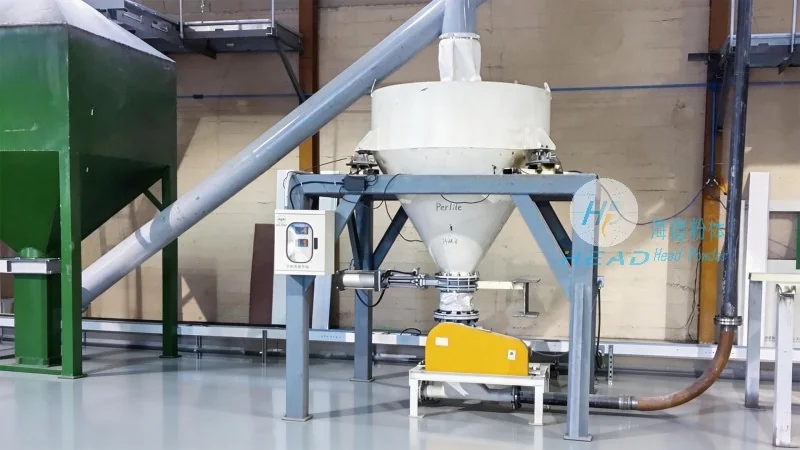
The pneumatic conveying equipment for phosphate calcium powder offers several benefits and advantages that make it a preferred choice for industrial applications. One of the primary advantages is the ability to transport the powder in a closed system, which prevents dust contamination and ensures a clean working environment. This is particularly important for phosphate calcium powder, which can be fine and easily airborne, posing health risks if not handled properly. The closed system also helps in maintaining the quality of the powder, as it is not exposed to moisture or other contaminants during transport. Another advantage is the high efficiency and reliability of the system, which ensures consistent flow rates and minimal downtime. The system is designed to handle abrasive materials like phosphate calcium powder without causing wear and tear, extending the lifespan of the components. Additionally, the pneumatic conveying system is flexible and can be easily integrated into existing production lines, allowing for scalability and adaptability to changing production needs. The automation features of the system reduce labor costs and improve safety, as operators are not exposed to the powder during the transport process. Overall, the pneumatic conveying equipment provides a cost-effective and sustainable solution for handling phosphate calcium powder, enhancing the efficiency and safety of industrial operations. The equipment is manufactured by Shandong HeadPowder Engineering Co., Ltd., a company committed to innovation and quality in powder handling technology.




