HeadPowder, a leading provider in the field of powder handling solutions, specializes in advanced pneumatic conveying technologies tailored for aluminum hydroxide powder. This article delves into the technical nuances of both negative pressure and positive pressure systems, offering a comprehensive overview of their applications, advantages, and practical considerations for industrial operations.
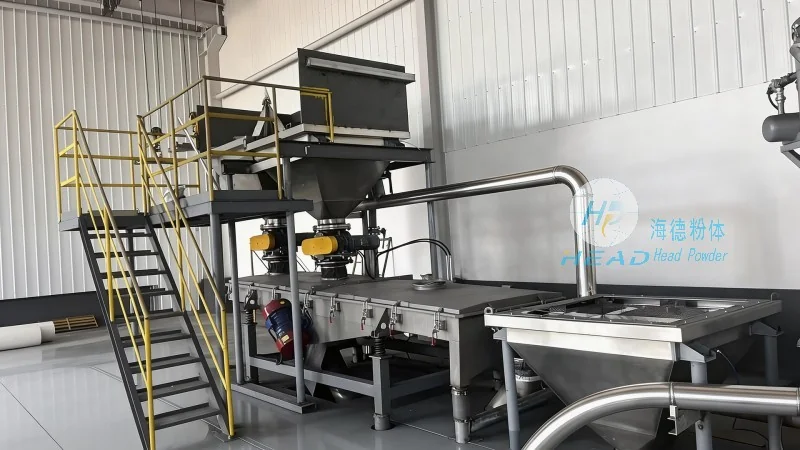
Understanding Pneumatic Conveying Systems for Aluminum Hydroxide
Aluminum hydroxide, a widely used industrial chemical, often requires efficient and reliable transport methods to move it from storage to processing units. Pneumatic conveying systems have emerged as a preferred solution due to their ability to handle fine powders like aluminum hydroxide with minimal dust generation and high throughput. The choice between negative pressure (suction) and positive pressure (blow) systems depends on several factors, including the material properties, distance of transport, and environmental requirements.
Negative Pressure (Suction) Pneumatic Conveying Systems
Negative pressure systems operate by creating a vacuum at the material intake point, drawing the powder into the conveying line using a fan or vacuum pump. This method is particularly effective for applications where the material is to be collected from a hopper or a storage silo and transported to a processing facility. The key components of a negative pressure system include a vacuum pump, a filter to capture fine particles, and a conveying line that ensures the material is transported without spillage. For aluminum hydroxide powder, negative pressure systems are often chosen when the material is sensitive to pressure changes or when the transport distance is relatively short, typically up to several hundred meters. The system's design must consider the dust control measures, as aluminum hydroxide is a fine powder that can easily become airborne, posing health and safety risks if not properly contained.
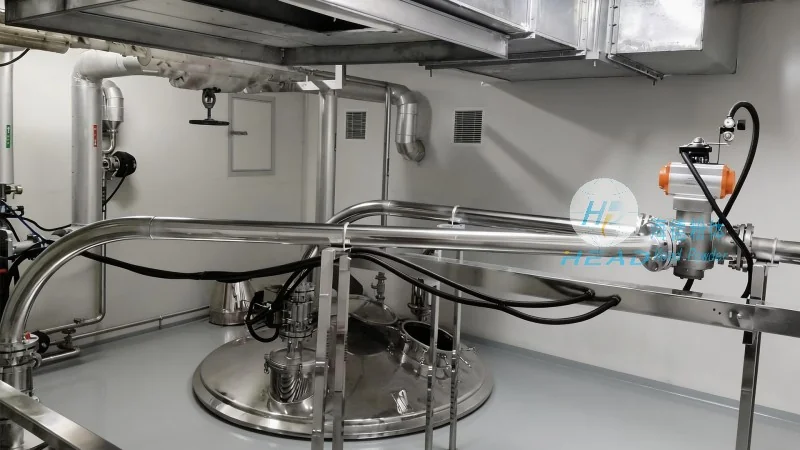
Positive Pressure (Blow) Pneumatic Conveying Systems
Positive pressure systems, in contrast, use a blower or compressor to generate pressure within the conveying line, pushing the powder from the source to the destination. This approach is ideal for longer transport distances and for materials that are less sensitive to pressure variations. The main components of a positive pressure system include a blower, a filter, and a pressure vessel to maintain the pressure within the system. For aluminum hydroxide powder, positive pressure systems are commonly used when the transport distance exceeds several hundred meters or when the material needs to be delivered to multiple destinations from a single source. The system's efficiency is enhanced by the use of pulse-jet filters, which effectively remove fine particles from the air stream, ensuring that the powder remains in a dry and stable state throughout the conveying process.
Key Considerations for Aluminum Hydroxide Pneumatic Conveying
When implementing either negative or positive pressure pneumatic conveying systems for aluminum hydroxide, several critical factors must be addressed to ensure optimal performance and safety. Firstly, the material's properties, such as its particle size distribution, moisture content, and flowability, significantly impact the system's design. Aluminum hydroxide is a fine powder with a relatively high moisture content, which can affect its flow characteristics and dust generation. Therefore, the system must be equipped with appropriate feeding mechanisms, such as rotary valves or star feeders, to prevent blockages and ensure consistent material flow. Secondly, the system's capacity and throughput must be matched to the production requirements. Overloading the system can lead to reduced efficiency and increased wear on components, while underloading may result in higher energy consumption. Thirdly, dust control is paramount in any aluminum hydroxide conveying operation. Both negative and positive pressure systems incorporate filters and dust collectors to capture fine particles, but the design of these components must be tailored to the specific characteristics of aluminum hydroxide, ensuring that emissions are minimized and compliance with environmental regulations is maintained.
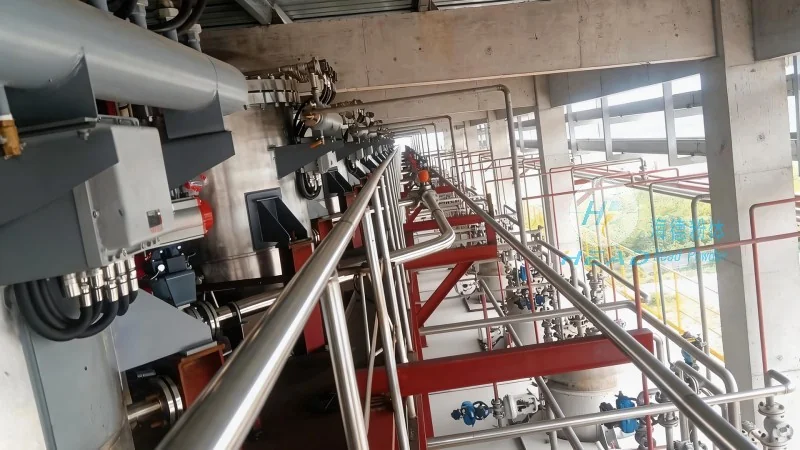
Application Examples and Practical Insights
Real-world applications of negative and positive pressure pneumatic conveying for aluminum hydroxide illustrate the effectiveness of these systems in various industrial settings. For instance, in a chemical manufacturing plant, a negative pressure system may be used to transport aluminum hydroxide from a storage silo to a reactor, where the material is used as a filler or a precursor in the production of other chemicals. The system's ability to handle fine powders without generating excessive dust makes it suitable for such applications, where product purity and worker safety are critical. Conversely, a positive pressure system might be employed in a pharmaceutical facility to transport aluminum hydroxide to a mixing unit, where it is incorporated into drug formulations. The longer transport distance and the need for precise dosing make the positive pressure system a more suitable choice in this scenario. In both cases, the choice of system is influenced by factors such as the distance between the source and destination, the volume of material to be transported, and the specific requirements of the end application.
Conclusion and Recommendations
Both negative pressure and positive pressure pneumatic conveying systems offer viable solutions for the transport of aluminum hydroxide powder, each with its own set of advantages and considerations. Negative pressure systems are generally more suitable for shorter distances and applications where dust control is a primary concern, while positive pressure systems are better suited for longer distances and when the material needs to be delivered to multiple points. The selection of the appropriate system depends on a thorough analysis of the material properties, transport requirements, and operational constraints. HeadPowder, with its expertise in powder handling technologies, provides customized solutions that address these factors, ensuring that clients achieve efficient, safe, and cost-effective conveying of aluminum hydroxide. By understanding the technical aspects of both negative and positive pressure systems, industrial operators can make informed decisions that optimize their production processes and enhance overall operational efficiency.




