Grain pneumatic conveying is a method of transporting bulk materials, such as grains, powders, and other particulate solids, using a stream of air or gas. This technology has become increasingly important in the agricultural and industrial sectors due to its efficiency, flexibility, and ability to handle materials that are difficult to transport by traditional means like belts or buckets.
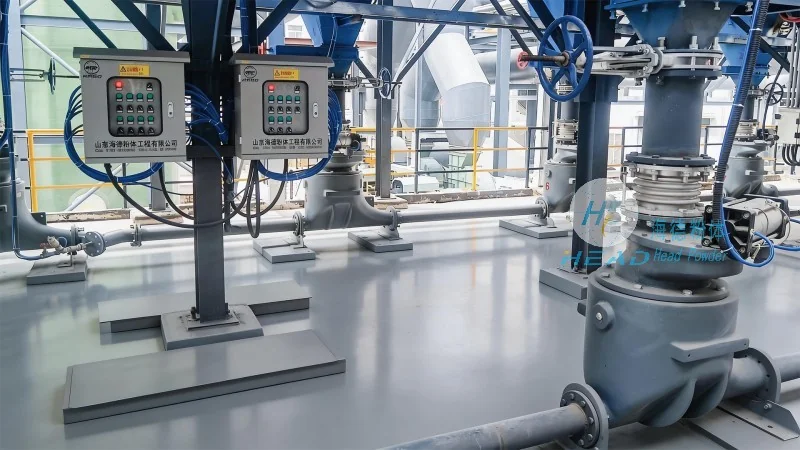
Understanding Pneumatic Conveying Systems
Pneumatic conveying systems operate by creating a pressure differential between the intake and discharge points. The system typically consists of a hopper to hold the material, a conveyor line (often a pipe), and a fan or blower to generate the air flow. As the material is introduced into the system, it is carried by the moving air stream to the desired destination. This process can be either pressure-based (where the system is under positive pressure) or vacuum-based (where the system is under negative pressure).
Classification of Pneumatic Conveying Systems
Pneumatic conveying systems are generally classified into two main types: aspiration (or vacuum) systems and pressure systems. Each type has distinct characteristics and is suitable for different applications.
Aspiration (Vacuum) Systems
Aspiration systems use a vacuum to draw material from a source, such as a hopper or silo, and transport it to a collection point. These systems are commonly used for short-distance transport and are ideal for applications where the material needs to be moved from a high elevation to a lower one. The vacuum is created by a fan located at the discharge end of the system, which pulls the material and air through the pipe. Aspiration systems are particularly effective for handling materials that are light and may be prone to dust or contamination.
Pressure Systems
Pressure systems, on the other hand, operate by blowing air or gas under pressure into the material to be conveyed. The material is then forced through the pipe to the discharge point. These systems are typically used for longer distances and higher material loads. Pressure systems are more suitable for materials that are heavier or more abrasive, as the higher pressure helps to maintain the flow and prevent blockages. Additionally, pressure systems can handle a wider range of materials, including those with higher moisture content or that are more prone to caking.
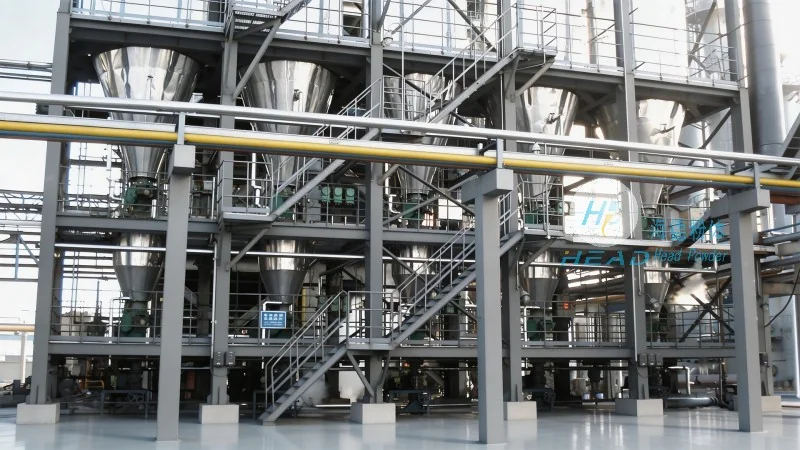
Applications of Pneumatic Conveying in Grain Handling
Grain pneumatic conveying is widely used in the grain processing industry for various applications. One of the primary uses is in the transportation of grains from storage silos to processing facilities, such as mills or elevators. This allows for efficient and hygienic movement of the material without the need for manual handling or mechanical conveyors that may cause contamination. The system can also be used to transport grains between different stages of processing, such as from cleaning to grinding or from storage to packaging.
Another common application is in the handling of byproducts and waste materials from grain processing operations. Pneumatic conveying systems can effectively transport these materials to disposal or recycling facilities, reducing the need for manual labor and minimizing the risk of exposure to hazardous substances. The flexibility of pneumatic systems also allows for the integration of multiple processing lines, enabling a more streamlined and efficient production process.
Key Considerations for Pneumatic Conveying Systems
When implementing a pneumatic conveying system for grain handling, several factors need to be considered to ensure optimal performance and longevity. The first is the type of material being conveyed, as different materials have different flow characteristics and may require specific system designs. For example, materials that are prone to caking or have high moisture content may need additional equipment, such as a dryer or a de-caking device, to maintain proper flow.
Another important consideration is the system's capacity and distance requirements. The size of the pipe, the power of the fan or blower, and the number of bends in the system all affect the system's ability to transport the material efficiently. Proper sizing and design are crucial to avoid blockages, which can lead to system downtime and increased maintenance costs.
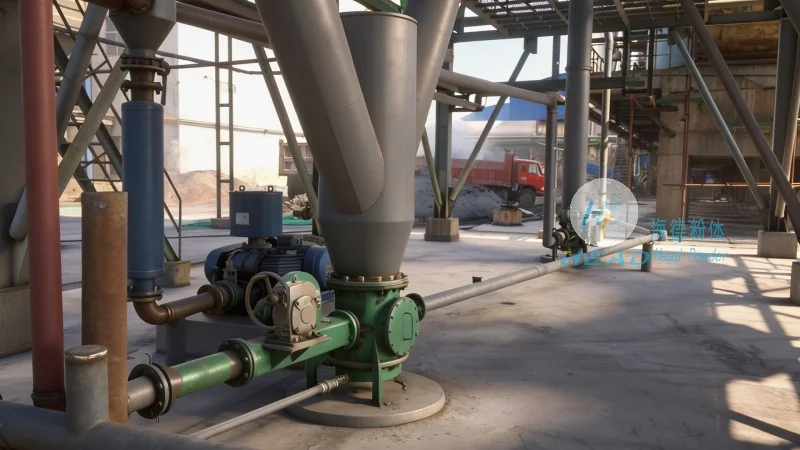
Additionally, the system's maintenance and operational costs should be taken into account. Pneumatic systems require regular maintenance, such as cleaning the filters and checking the fan or blower for wear and tear. However, when properly designed and maintained, these systems can provide long-term cost savings by reducing labor costs and minimizing material loss.
About Shandong HeadPowder Engineering Co., Ltd.
Shandong HeadPowder Engineering Co., Ltd., operating under the brand name headpowder, is a leading provider of pneumatic conveying solutions for the grain and bulk material handling industry. With headquarters in Shandong, China, the company specializes in designing, manufacturing, and installing customized pneumatic conveying systems tailored to the specific needs of its clients. The company's expertise lies in understanding the unique challenges of grain handling and developing innovative solutions that enhance efficiency, safety, and sustainability.
HeadPowder's team of engineers and technicians work closely with clients to assess their material handling requirements and recommend the most suitable pneumatic conveying system. Whether it's an aspiration or pressure system, the company's solutions are designed to meet the highest standards of performance and reliability. The company also provides comprehensive after-sales support, including maintenance services and technical assistance, to ensure that its systems operate at peak efficiency throughout their service life.
By leveraging advanced technology and a deep understanding of the grain processing industry, Shandong HeadPowder Engineering Co., Ltd. helps its clients optimize their material handling processes, reduce operational costs, and improve overall productivity. The company's commitment to quality and customer satisfaction has made it a trusted partner for businesses worldwide, providing reliable and efficient pneumatic conveying solutions for a wide range of applications.




