HeadPowder, a leading engineering company based in Shandong, China, specializes in the design, manufacturing, and supply of advanced pneumatic conveying systems tailored for the transportation of frac sand. This article delves into the operational process and underlying principles of such equipment, providing a comprehensive understanding for industry professionals.
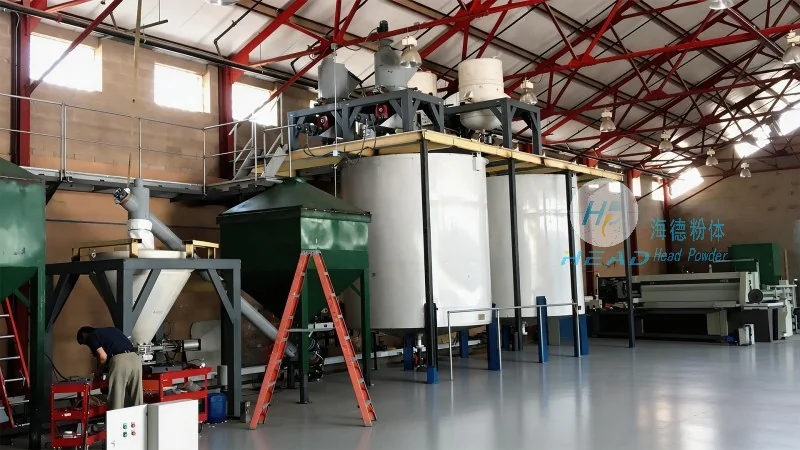
Introduction to Fracturing Sand Pneumatic Conveying Equipment
Fracturing sand, a critical component in hydraulic fracturing operations, requires efficient and reliable transportation methods to ensure smooth workflow in oil and gas extraction sites. Pneumatic conveying equipment offers a solution by utilizing air as the medium to move dry powders like frac sand through pipelines. The system combines mechanical components and air dynamics to achieve safe, effective, and low-maintenance material transport. HeadPowder's equipment is engineered to meet the demanding requirements of frac sand handling, ensuring high capacity, minimal particle degradation, and compliance with industry standards.
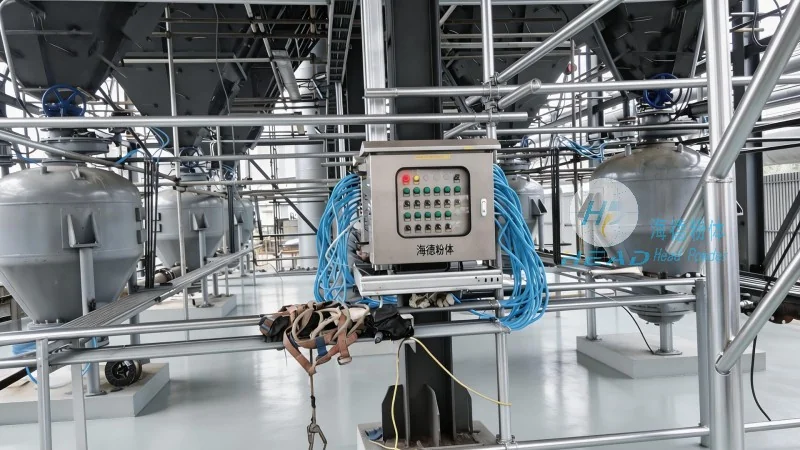
Key Components of the Pneumatic Conveying System
The pneumatic conveying system for frac sand typically consists of several essential components that work in tandem to facilitate material transport. These include a hopper for material storage, a feeder to control the flow rate, a compressor or blower to generate the air pressure, a pipeline network to carry the material and air mixture, and a receiver or discharge unit to collect the conveyed material. Each component plays a crucial role in maintaining the system's efficiency and performance. The hopper is designed to hold a large volume of frac sand, ensuring a consistent supply to the feeder. The feeder, often a rotary valve or screw feeder, regulates the material discharge rate, preventing overloading and maintaining stable air flow. The compressor or blower provides the necessary pressure to move the material through the pipeline, with options ranging from positive displacement blowers to high-pressure compressors depending on the system's capacity and distance requirements. The pipeline network, usually made of stainless steel or other corrosion-resistant materials, is configured to minimize pressure drop and ensure smooth material flow. The receiver or discharge unit collects the frac sand at the destination, with features like dust collection and filtration to maintain air quality and prevent material loss.
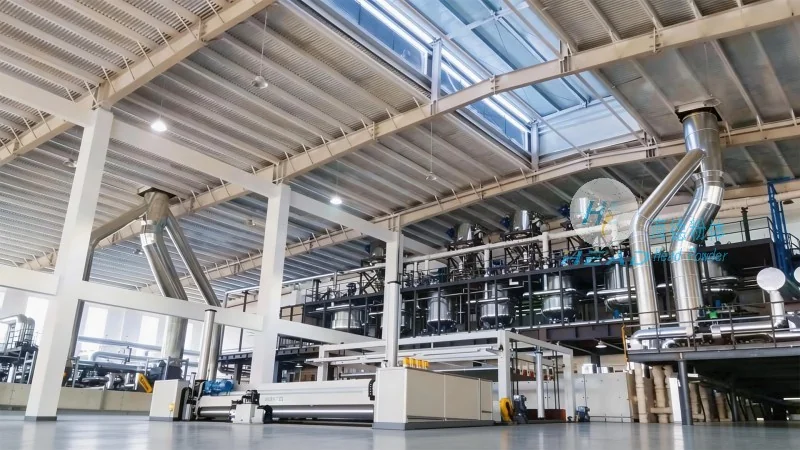
Operation Process of the Pneumatic Conveying Equipment
The operation of the pneumatic conveying system for frac sand involves a sequential process that ensures efficient material transport from the source to the destination. The process begins with the loading of frac sand into the hopper. The feeder then starts to discharge the material at a controlled rate, which is synchronized with the air flow generated by the compressor. As the material enters the pipeline, it is mixed with the air, creating a slurry-like mixture that is propelled forward by the air pressure. The mixture travels through the pipeline network, with the air velocity maintaining the material in suspension to prevent clogging or settling. At the receiving end, the air and material mixture enters the receiver, where the air is separated from the frac sand. The air is typically filtered and discharged, while the frac sand is collected in the receiver's storage bin. The system operates continuously, with the feeder and compressor running at a steady rate to maintain a consistent flow of material. The control system monitors key parameters such as pressure, flow rate, and material level, ensuring optimal performance and preventing system failures. This continuous operation allows for high throughput and reliable delivery of frac sand to the fracturing site, minimizing downtime and operational costs.
Working Principle of the Pneumatic Conveying Equipment
The working principle of the pneumatic conveying system for frac sand is based on the fundamental concept of fluidization and air suspension. The system operates by creating a high-velocity air flow within the pipeline, which lifts and transports the frac sand particles. The air velocity must be sufficient to overcome the gravitational force acting on the particles, ensuring they remain in suspension and move along the pipeline. The pressure generated by the compressor or blower provides the necessary force to move the material through the system. The key to efficient operation is maintaining a balance between the air flow rate and the material feed rate. If the air flow is too low, the particles may settle and cause blockages, while too high air flow can lead to excessive energy consumption and particle degradation. The system's design, including the pipeline diameter, length, and inclination, is optimized to minimize pressure drop and ensure smooth material transport. The use of positive displacement blowers or high-pressure compressors allows for precise control of air pressure and flow, enabling the system to handle different types of frac sand with varying particle sizes and densities. The separation process at the receiver is also critical, as it ensures that the air is properly filtered and the frac sand is collected without loss. The working principle combines mechanical engineering principles with fluid dynamics to achieve an effective and reliable material transport solution for frac sand applications.
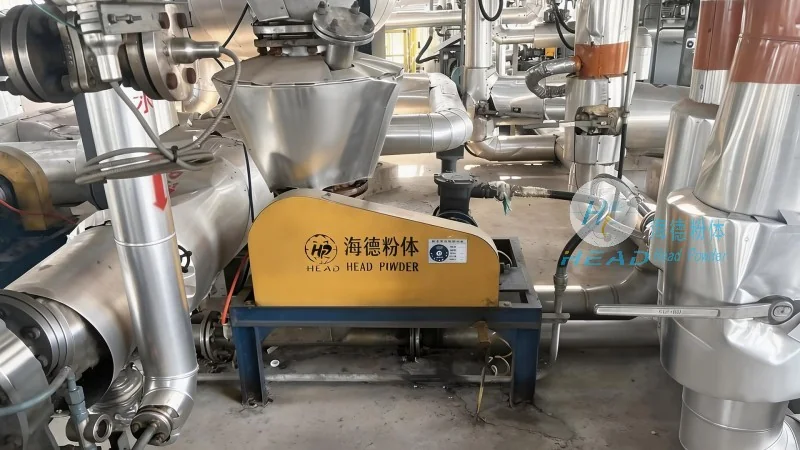
Advantages of HeadPowder's Pneumatic Conveying Equipment
HeadPowder's pneumatic conveying equipment for frac sand offers several advantages that make it a preferred choice in the industry. The system provides high capacity and continuous operation, ensuring that the fracturing process is not interrupted by material supply issues. The equipment is designed for minimal maintenance, with components that are easy to access and replace, reducing downtime and operational costs. The use of corrosion-resistant materials, such as stainless steel, ensures long-term durability and resistance to the abrasive nature of frac sand. The system also minimizes material degradation, as the pneumatic conveying process is gentle on the particles, preserving their size and shape for optimal performance in the fracturing operation. Additionally, the equipment is equipped with advanced control systems that monitor and adjust key parameters in real-time, ensuring optimal performance and safety. The compact design of the system allows for easy installation and integration into existing facilities, making it a versatile solution for various site configurations. Overall, HeadPowder's pneumatic conveying equipment combines efficiency, reliability, and durability, making it an ideal choice for frac sand transportation in oil and gas extraction.




