Bulk bag powder pneumatic conveying is a sophisticated method used in industrial settings to transport dry powders and granular materials from storage containers to processing equipment. This technology is particularly advantageous for handling bulk materials in a controlled, efficient manner, minimizing dust exposure and ensuring product integrity. The system typically involves a bulk bag (also known as a super sack or flexible intermediate bulk container, FIBC), a pneumatic conveying pipeline, and a series of components that facilitate the material's movement.
Key Components and Their Roles
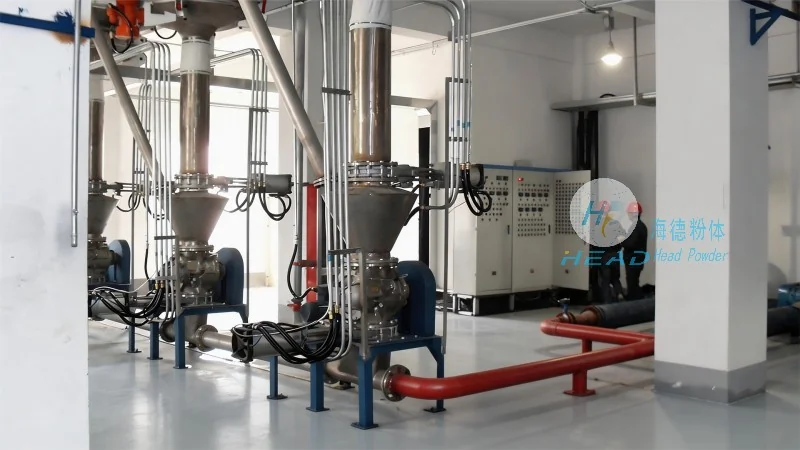
The operation of a bulk bag powder pneumatic conveying system relies on several critical components. The bulk bag serves as the primary storage and feeding unit, allowing for the initial loading of the powder. Once the material is loaded, the system uses a hopper or discharge valve to control the flow into the conveying line. A vacuum or pressure source, such as a blower or compressor, generates the air flow necessary to move the material through the pipeline. The conveying line itself is often made of flexible or rigid tubing, depending on the application, and may include fittings, elbows, and filters to maintain system efficiency and prevent material buildup.
Operation Process: Step-by-Step Overview
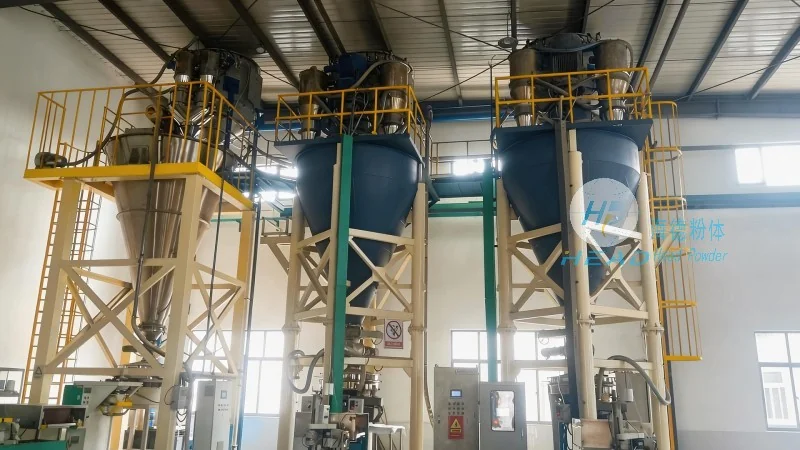
The process of bulk bag powder pneumatic conveying begins with the loading of the bulk bag. The bag is typically placed on a discharge spout or hopper, which is connected to the conveying line. The system then activates the air source, creating a vacuum or pressure that draws the powder from the bag into the pipeline. As the material travels through the line, it is mixed with the air, forming a slurry or suspension that moves toward the destination point. At the receiving end, the material is separated from the air using a separator or cyclone, and the powder is deposited into a processing vessel or storage container. The air, now free of powder, is either filtered and recirculated or vented to the atmosphere, depending on the system design.
Working Principle: How It Works
The core principle of pneumatic conveying is the use of air to transport solid particles. In a pressure system, air is forced through the pipeline, pushing the material along. In a vacuum system, air is drawn from the line, creating a negative pressure that pulls the material. The velocity of the air and the size of the particles determine the efficiency of the conveying process. For bulk bag applications, the system must be designed to handle the initial discharge from the bag, which may involve a high volume of material and potentially high dust generation. This is managed through the use of appropriate filters and control valves to maintain system performance and safety.
Benefits and Applications
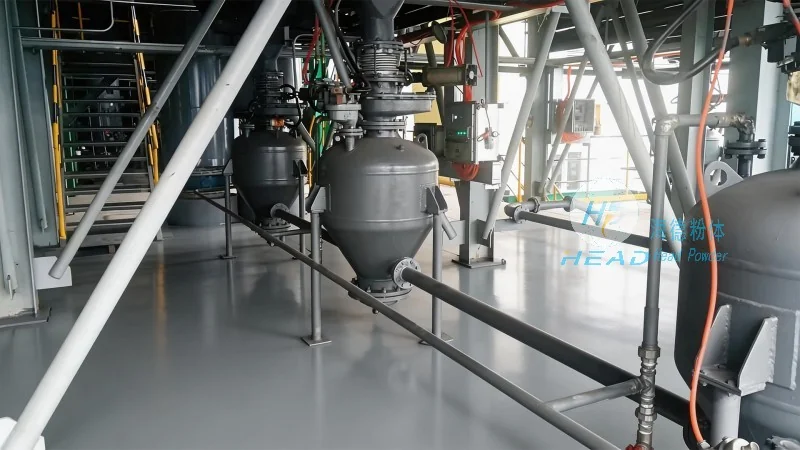
Bulk bag powder pneumatic conveying offers several advantages over traditional methods, such as manual handling or mechanical conveyors. It reduces labor costs by automating the material transfer process, minimizes product contamination and exposure to environmental factors, and improves safety by containing dust and preventing spills. This technology is widely used in industries such as pharmaceuticals, food processing, chemicals, and mining, where the handling of fine powders requires precision and control. The system's flexibility allows it to be adapted to various production scales and layouts, making it suitable for both small-scale operations and large industrial facilities.
About Shandong HeadPowder Engineering Co., Ltd.
Shandong HeadPowder Engineering Co., Ltd., operating under the brand name headpowder, is a leading provider of bulk bag powder pneumatic conveying solutions. With a focus on innovation and customer satisfaction, the company specializes in designing, manufacturing, and installing customized conveying systems tailored to the specific needs of its clients. Headpowder's expertise lies in optimizing material handling processes, ensuring high efficiency, and maintaining product quality throughout the conveying operation. The company's facilities are located in Shandong, China, where it leverages local resources and industry knowledge to deliver reliable and effective solutions to the global market.




