HeadPowder, a leading manufacturer based in Shandong, China, specializes in the design and production of advanced material handling systems tailored for lithium hydroxide applications. This article provides a detailed overview of the operational process and working principles of such systems, highlighting the key components, functions, and benefits that ensure efficient and reliable material transport in industrial settings.
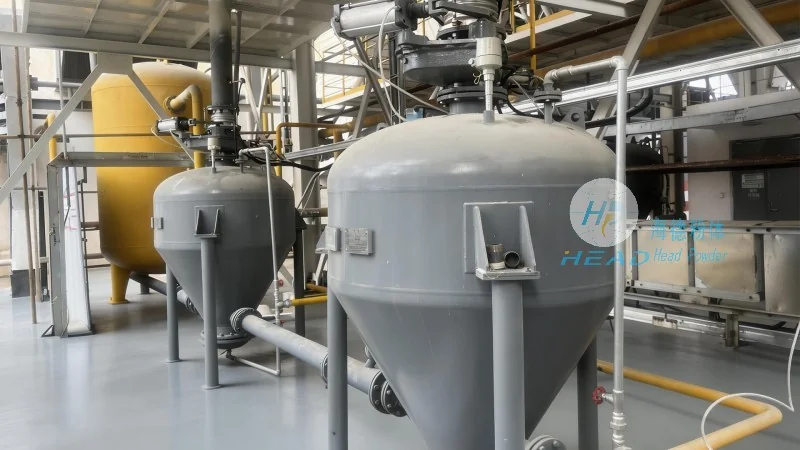
Key Components of the Lithium Hydroxide Material Handling System
The lithium hydroxide material handling system typically consists of several integrated components that work in harmony to achieve seamless material transport. These components include feed hoppers, conveyor belts or screw conveyors, control panels, and discharge mechanisms. Each part plays a crucial role in the overall operation, ensuring that lithium hydroxide is handled safely and efficiently from the point of origin to the destination.
Operation Process of the System
The operation process of the lithium hydroxide material handling system begins with the loading of raw lithium hydroxide into the feed hopper. The material is then fed into the conveyor system, which can be either a belt conveyor or a screw conveyor, depending on the specific design and application requirements. The conveyor system transports the material through the system, guided by the control panel that regulates the speed and direction of the movement. As the material moves, it passes through any necessary processing stages, such as mixing or screening, before being discharged into the final storage or processing area.
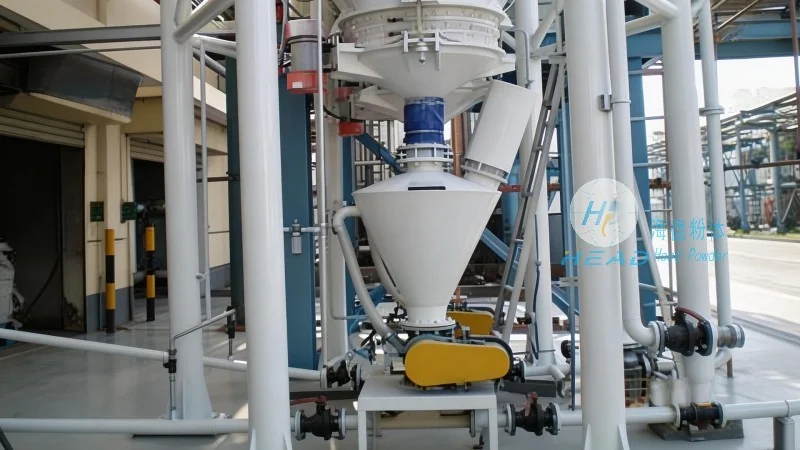
Working Principle of the System
The working principle of the lithium hydroxide material handling system is based on mechanical or pneumatic forces to move the material. For mechanical systems, such as screw conveyors, the rotation of the screw impeller creates a pushing force that propels the material forward. The design of the screw, including its pitch and diameter, is optimized to handle the specific characteristics of lithium hydroxide, such as its particle size and flowability. In pneumatic systems, compressed air is used to create a flow of air that carries the material through the system, using pipelines and cyclone separators to control the direction and speed of the material transport.
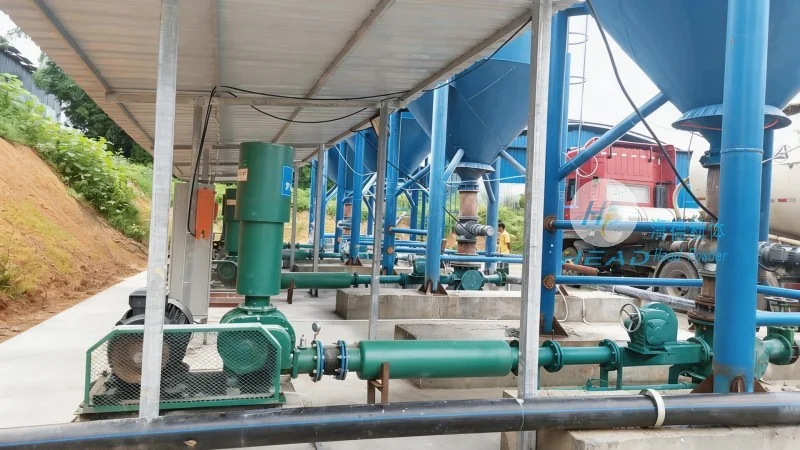
Control and Safety Features
Advanced control systems are integrated into the lithium hydroxide material handling system to ensure precise operation and safety. These systems include sensors that monitor the level of material in the hopper, the speed of the conveyor, and the temperature of the material. The control panel allows operators to adjust the settings according to the specific requirements of the process, ensuring optimal performance and preventing overloading or blockages. Safety features, such as emergency stop buttons and overload protection, are also incorporated to protect both the equipment and the personnel operating the system.
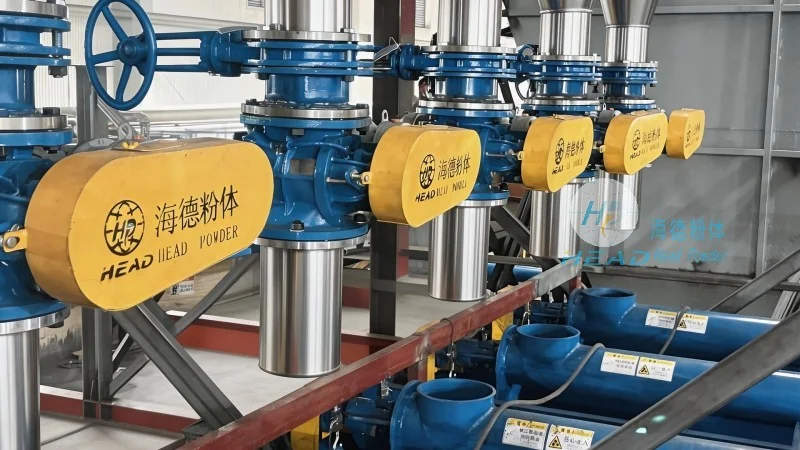
Benefits and Applications
The lithium hydroxide material handling system offers several benefits, including high efficiency, low maintenance costs, and improved safety. The system is designed to handle the unique properties of lithium hydroxide, such as its reactivity and hygroscopic nature, ensuring that the material is transported without degradation or contamination. The system is widely used in various industries, including battery manufacturing, chemical processing, and pharmaceuticals, where the reliable and safe transport of lithium hydroxide is critical for the production process.
Conclusion
In conclusion, the lithium hydroxide material handling system is a sophisticated piece of equipment that plays a vital role in the industrial processing of lithium hydroxide. The system's operation process and working principles are designed to ensure efficient and safe material transport, with advanced control and safety features that enhance its performance and reliability. As a leading manufacturer, HeadPowder continues to innovate and improve its material handling systems to meet the evolving needs of the industry, providing high-quality solutions for the safe and efficient handling of lithium hydroxide.




