Shandong HeadPowder Engineering Co., Ltd., a leading enterprise in the field of material handling systems, specializes in the design, manufacturing, and installation of advanced conveying solutions. The company, commonly known as HeadPowder, is headquartered in Shandong, China, and has established a strong reputation for delivering high-quality, efficient, and reliable material transport equipment. This article focuses on the operation process and working principle of a typical calcium carbonate stone powder conveying line, highlighting the key components, operational mechanisms, and the technical advantages that make such systems ideal for industrial applications.
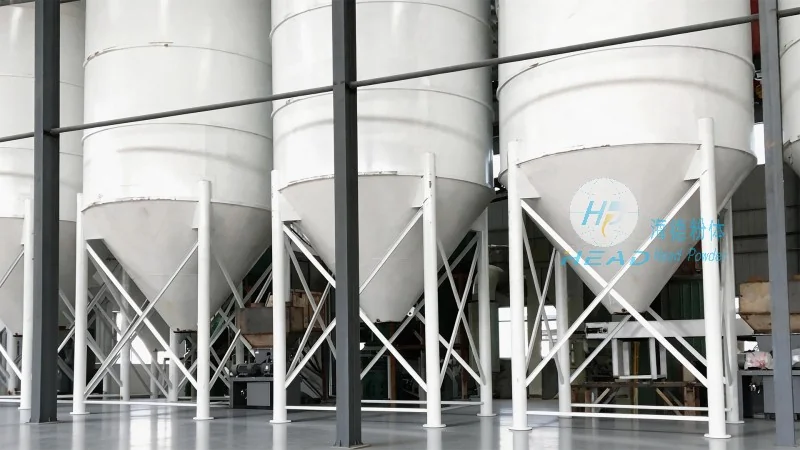
Key Components of the Conveying Line
The calcium carbonate stone powder conveying line typically consists of several essential components that work in tandem to ensure smooth material transport. The primary components include a hopper for material storage, a feeder to regulate the flow of powder, a conveyor system (such as a belt conveyor or screw conveyor) for transporting the material, a control system for monitoring and adjusting operations, and a dust collection system to maintain air quality and prevent dust dispersion. Each component plays a critical role in the overall functionality of the system, and their integration ensures efficient and safe material handling.
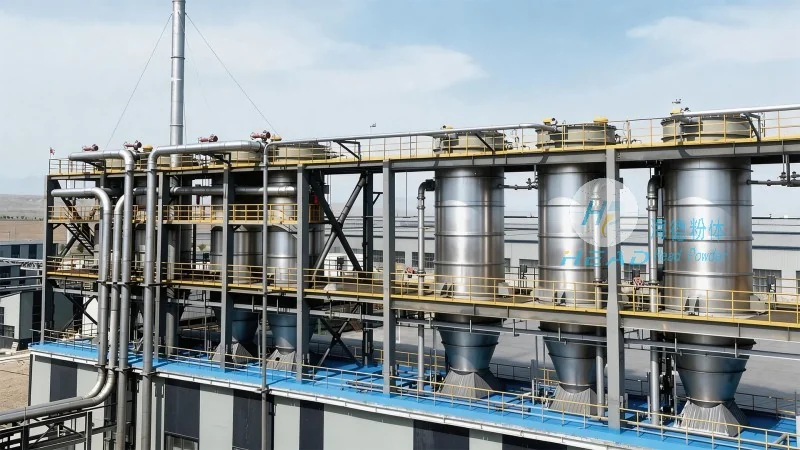
Operation Process of the Conveying Line
The operation of the calcium carbonate stone powder conveying line begins with the loading of raw calcium carbonate stone powder into the hopper. The hopper is designed to hold a sufficient quantity of material to ensure continuous operation, minimizing downtime caused by frequent refilling. Once the material is in the hopper, the feeder, which may be a rotary valve or a vibratory feeder, regulates the flow rate of the powder. The feeder ensures that the material is discharged at a consistent rate, preventing overloading or underloading of the conveyor system. The conveyor system then transports the powder from the hopper to the discharge point, which could be a storage silo, a processing unit, or a packaging station. The control system continuously monitors parameters such as flow rate, pressure, and temperature, and adjusts the feeder speed or conveyor speed as needed to maintain optimal operation. The dust collection system is activated simultaneously to capture any airborne dust particles, ensuring compliance with environmental regulations and maintaining a safe working environment.
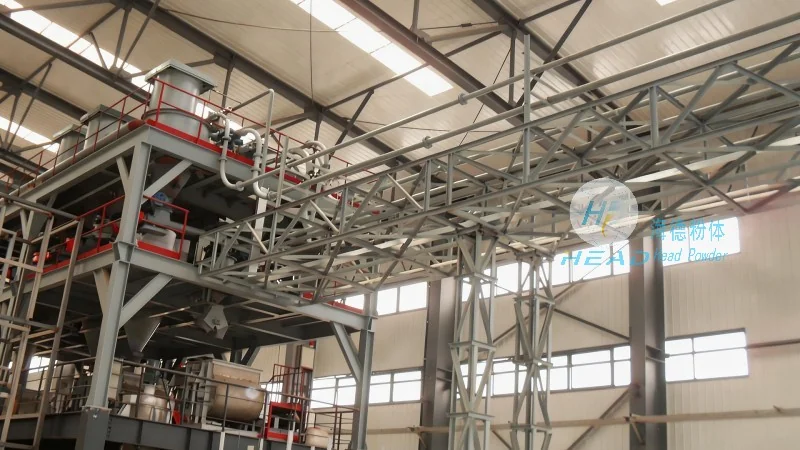
Working Principle of the Conveying Line
The working principle of the calcium carbonate stone powder conveying line is based on mechanical energy transfer and material flow control. The hopper provides a storage reservoir for the powder, while the feeder acts as a controlled outlet, regulating the volume of material entering the conveyor. The conveyor system utilizes either a belt or a screw mechanism to move the material along a designated path. For belt conveyors, the material is placed on the moving belt and transported by friction between the belt and the material. Screw conveyors, on the other hand, use a rotating screw to push the material forward. The control system uses sensors and actuators to adjust the speed of the feeder and conveyor, ensuring that the material flow matches the processing requirements. The dust collection system employs filters or cyclones to capture dust particles, which are then collected in a hopper or disposed of properly. This integrated approach ensures that the conveying line operates efficiently, safely, and in compliance with industrial standards.




