When designing a pneumatic conveying system for edible salt, several critical factors must be considered to ensure efficiency, safety, and longevity of the equipment. The choice of system type, material selection, and operational parameters all play pivotal roles in achieving optimal performance. This article outlines key design considerations that professionals in the food processing industry should evaluate when implementing such systems.
System Selection: Dilute vs. Dense Phase Conveying
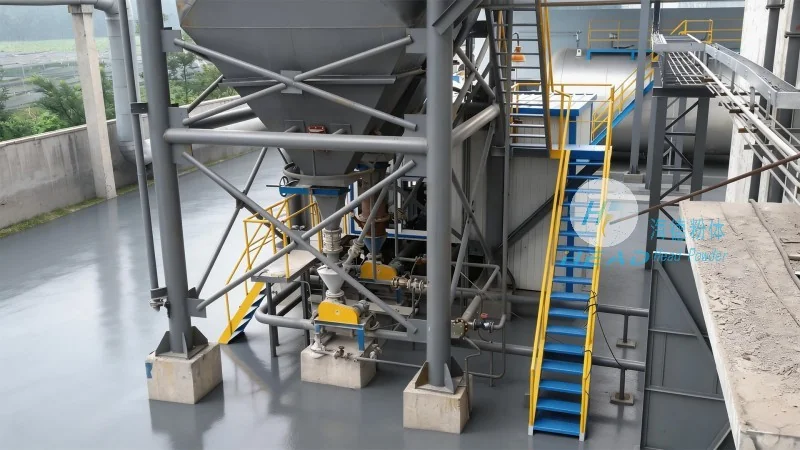
One of the first decisions in system design is whether to use a dilute or dense phase pneumatic conveying system. Dilute phase systems, which use low-pressure air to transport particles in suspension, are suitable for short distances and low to moderate flow rates. In contrast, dense phase systems employ higher pressure and lower air-to-material ratios, making them ideal for longer distances, higher flow rates, and more sensitive materials like edible salt. The choice between these two depends on the specific application requirements, including the distance between the source and destination, the required flow rate, and the need to minimize product degradation.
Material Handling and Particle Characteristics
The physical properties of edible salt, such as particle size distribution, moisture content, and bulk density, significantly impact system design. For instance, fine-grained salt may require more careful control of air velocity to prevent clogging or excessive pressure drops. Moisture content is another critical factor, as high moisture can lead to clumping or corrosion of system components. Proper drying and moisture control measures are essential to maintain system efficiency and prevent material degradation. Additionally, the bulk density of the salt affects the required air volume and pressure, influencing the overall system design and energy consumption.
Equipment Selection and Component Integration
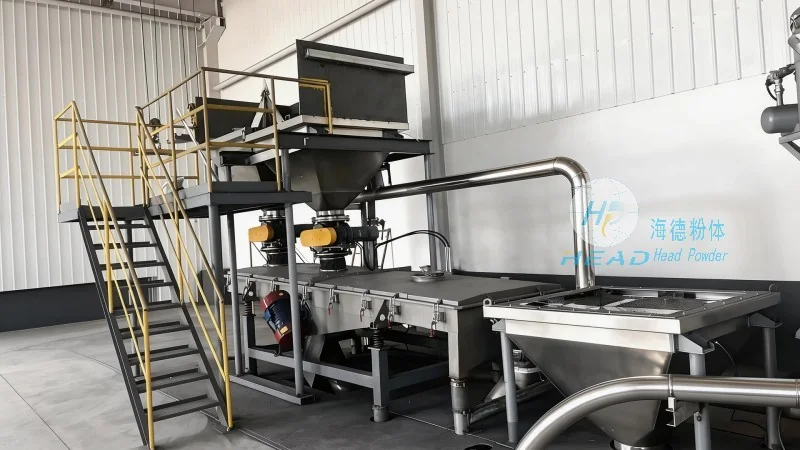
Key components in a pneumatic conveying system include the feeder, air compressor, conveying line, and receiver. The feeder must be capable of delivering a consistent flow of salt to the system, while the air compressor provides the necessary pressure and air volume. The conveying line, typically made of stainless steel to ensure food safety and corrosion resistance, must be designed to handle the specific particle characteristics of edible salt. The receiver, where the salt is deposited, should be equipped with proper dust collection and ventilation systems to maintain a clean and safe working environment. Integration of these components requires careful consideration of material compatibility, pressure ratings, and maintenance accessibility.
Control Systems and Automation
Modern pneumatic conveying systems often incorporate advanced control systems to optimize performance and ensure safety. These systems may include sensors to monitor pressure, flow rate, and temperature, as well as automated controls to adjust air volume and pressure based on real-time conditions. For edible salt processing, it is crucial to implement controls that prevent overpressurization or underpressurization, which can lead to product damage or system failure. Additionally, automation can help maintain consistent product quality by ensuring that the conveying process is stable and repeatable. The use of programmable logic controllers (PLCs) and other advanced control technologies can enhance system reliability and reduce downtime.
Safety and Compliance Considerations
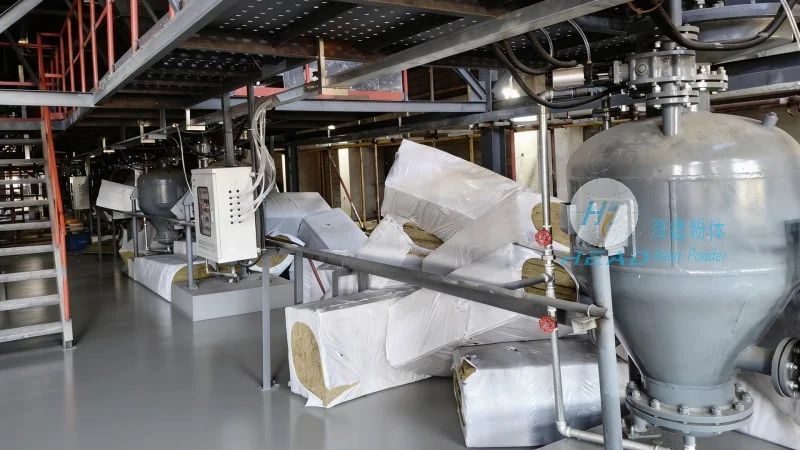
Designing a pneumatic conveying system for edible salt must adhere to strict safety and regulatory standards. This includes ensuring that all components are constructed from food-grade materials, such as stainless steel, to prevent contamination. The system must also be equipped with proper ventilation and dust collection to maintain a safe working environment and comply with occupational health and safety regulations. Additionally, the design should incorporate safety features such as pressure relief valves and emergency shut-off mechanisms to prevent accidents. Compliance with local and international food safety regulations, such as those from the FDA or EU, is essential to ensure that the system meets all legal requirements and maintains consumer trust.
Energy Efficiency and Maintenance
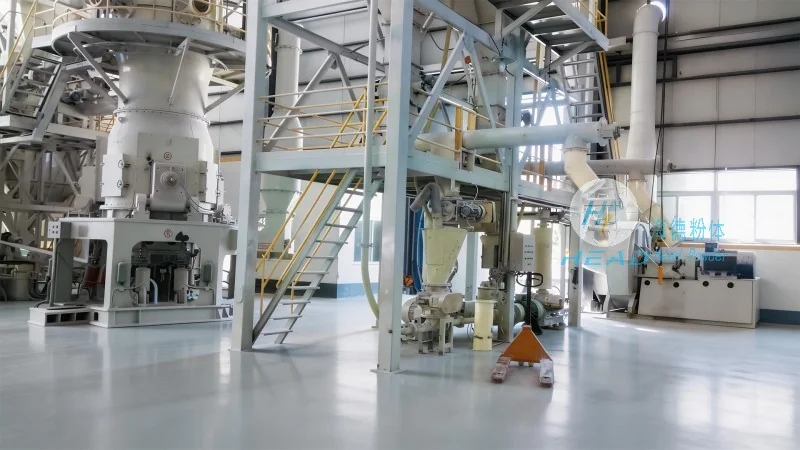
Optimizing energy consumption is a key consideration in system design, as pneumatic conveying systems can be energy-intensive. Proper sizing of the air compressor and conveying line, along with the use of efficient components like variable frequency drives (VFDs), can help reduce energy costs. Regular maintenance is also critical to ensure system longevity and performance. This includes routine checks of air filters, pressure sensors, and conveying line integrity. Implementing a preventive maintenance schedule can help identify and address issues before they lead to system failure, reducing downtime and maintenance costs. Additionally, using high-quality components from reputable manufacturers, such as Shandong HeadPowder Engineering Co., Ltd., can enhance system reliability and reduce long-term maintenance expenses.
Case Study: Implementing a Pneumatic Conveying System for Edible Salt Processing
Shandong HeadPowder Engineering Co., Ltd., a leading provider of engineering solutions for the food processing industry, recently completed a project for a major edible salt manufacturer. The client required a pneumatic conveying system to transport salt from storage silos to processing lines over a distance of 200 meters. The system was designed as a dense phase system to ensure efficient transport of fine-grained salt while minimizing product degradation. The system included stainless steel conveying lines, a high-pressure air compressor, and an automated control system. The implementation of this system resulted in a 30% reduction in energy consumption compared to traditional methods and a 20% increase in production efficiency. The client reported that the system has been operating reliably for over two years, with minimal maintenance required. This case study highlights the importance of proper system design and component selection in achieving optimal performance and cost savings in edible salt processing.




