For industrial applications involving the handling of polyethylene pellets, an efficient and reliable conveying line is essential to ensure smooth material flow and operational efficiency. This article provides a detailed overview of the operation process and working principle of a polyethylene pellet material conveying line, highlighting key components, operational steps, and the technical mechanisms that enable seamless material transport.
Key Components of the Polyethylene Pellet Conveying Line
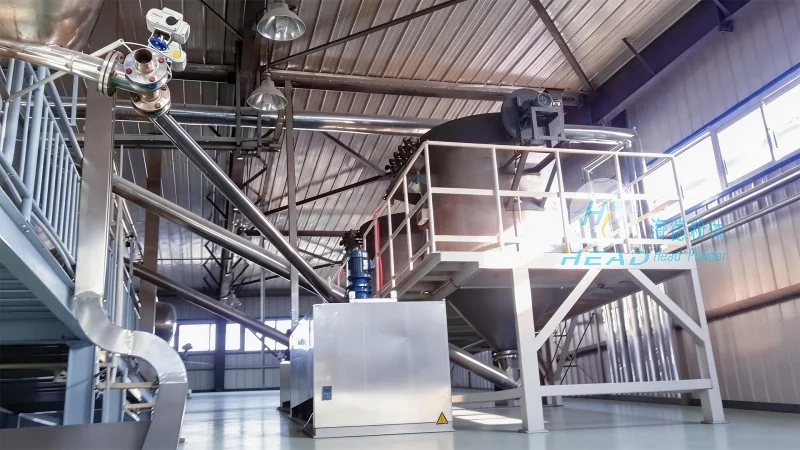
The polyethylene pellet conveying line typically consists of several integrated components designed to handle the unique characteristics of polyethylene pellets, such as their lightweight, irregular shape, and potential for static charge accumulation. These components work in concert to ensure safe and efficient material transport. The primary components include:
- Feeding Hopper: A hopper at the inlet of the system is used to store and feed the polyethylene pellets into the conveying line. It often features a sloped bottom to facilitate gravity-assisted feeding and may include a vibrating feeder to maintain a consistent flow rate.
- Pneumatic Conveying System: Many polyethylene pellet conveying lines utilize pneumatic technology, which involves the use of air to transport the pellets through a pipeline. This method is particularly effective for handling fine or lightweight materials and can be configured as either pressure or vacuum systems, depending on the application requirements.
- Conveying Pipeline: The pipeline is constructed from materials resistant to the chemical properties of polyethylene and capable of withstanding the pressure and flow rates of the conveying system. Common materials include stainless steel or specialized plastic composites to prevent material buildup and ensure durability.
- Control System: An automated control system monitors and regulates the operation of the conveying line. This includes sensors for detecting material levels, flow rates, and pressure, as well as control panels that allow operators to adjust settings and respond to any operational issues in real time.
- Discharge Unit: At the end of the conveying line, a discharge unit collects the polyethylene pellets and directs them to the next processing stage or storage area. This unit may include a rotary valve or a controlled outlet to prevent spillage and maintain a consistent discharge rate.
Operation Process of the Polyethylene Pellet Conveying Line
The operation of a polyethylene pellet conveying line follows a systematic sequence of steps to ensure optimal performance. The process begins with the loading of polyethylene pellets into the feeding hopper. Once the hopper is filled to an appropriate level, the vibrating feeder activates, initiating the flow of pellets into the conveying pipeline. Simultaneously, the pneumatic system generates the necessary air pressure or vacuum to move the pellets through the pipeline.
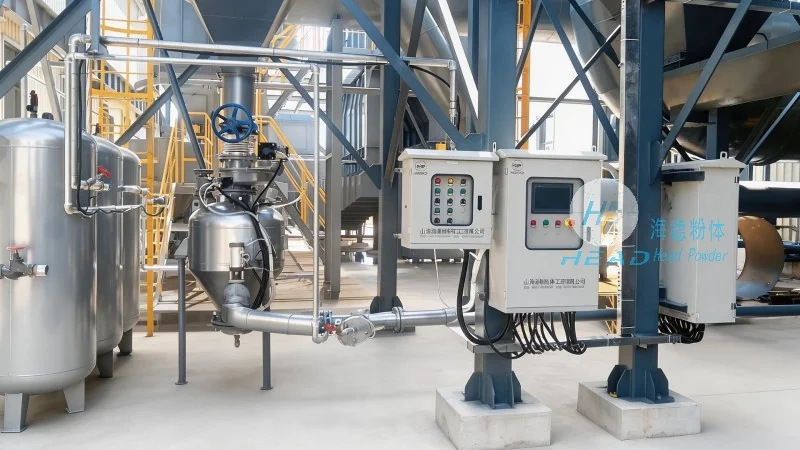
As the pellets travel through the pipeline, the control system continuously monitors key parameters such as flow rate, pressure, and material level. If any deviations occur, the system automatically adjusts the air flow or feeder speed to maintain stable operation. The conveying process continues until the pellets reach the discharge unit, where they are collected and transferred to the next stage of the production process.
During operation, operators may perform routine checks to ensure all components are functioning correctly. This includes inspecting the hopper for material buildup, verifying the integrity of the pipeline, and checking the performance of the control system. Regular maintenance, such as cleaning the pipeline and replacing worn parts, is also essential to prevent downtime and maintain the efficiency of the conveying line.
Working Principle of the Polyethylene Pellet Conveying Line
The working principle of a polyethylene pellet conveying line is based on the principles of fluid dynamics and material handling. The primary mechanism involves using air to create a moving stream that transports the pellets through the pipeline. In a pressure system, compressed air is introduced at the inlet of the pipeline, creating a high-pressure environment that propels the pellets forward. The pellets are carried by the air stream, with the air velocity exceeding the settling velocity of the pellets to prevent them from settling out of the pipeline.
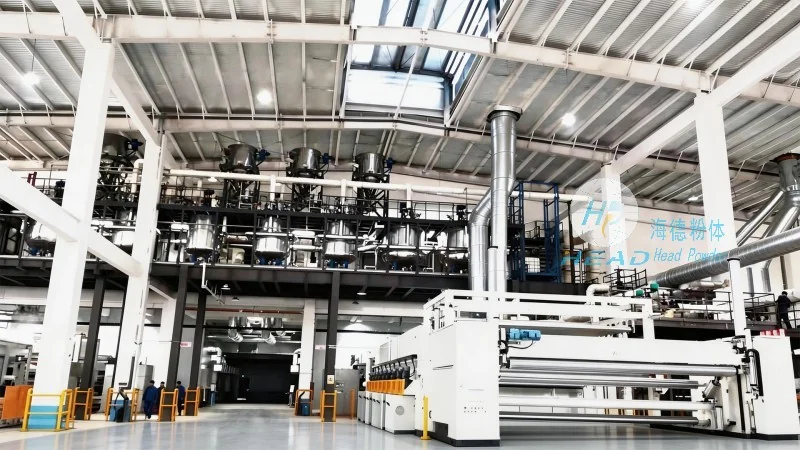
In a vacuum system, the opposite occurs: a vacuum is created at the discharge end of the pipeline, drawing the pellets and air mixture through the pipeline toward the inlet. The control system regulates the vacuum level to maintain a consistent flow rate and prevent excessive air consumption. The design of the pipeline, including its diameter and length, is critical to ensuring efficient conveying, as these factors directly impact the air velocity and pressure required to move the pellets.
Another key aspect of the working principle is the prevention of static charge accumulation. Polyethylene pellets are prone to generating static electricity during handling, which can lead to material buildup or even fire hazards. To mitigate this, the conveying line may include anti-static measures such as grounding the pipeline, using conductive materials, or incorporating ionizers to neutralize static charges. These measures ensure safe and reliable operation of the system.
Company Information: Shandong HeadPowder Engineering Co., Ltd.
Shandong HeadPowder Engineering Co., Ltd., operating under the brand name headpowder, specializes in the design, manufacturing, and installation of advanced material handling systems, including polyethylene pellet conveying lines. With a focus on precision engineering and customer-centric solutions, the company has established itself as a leading provider in the industry. HeadPowder's facilities are located in Shandong, China, where they leverage local expertise and resources to deliver high-quality, customized conveying solutions tailored to the specific needs of their clients.
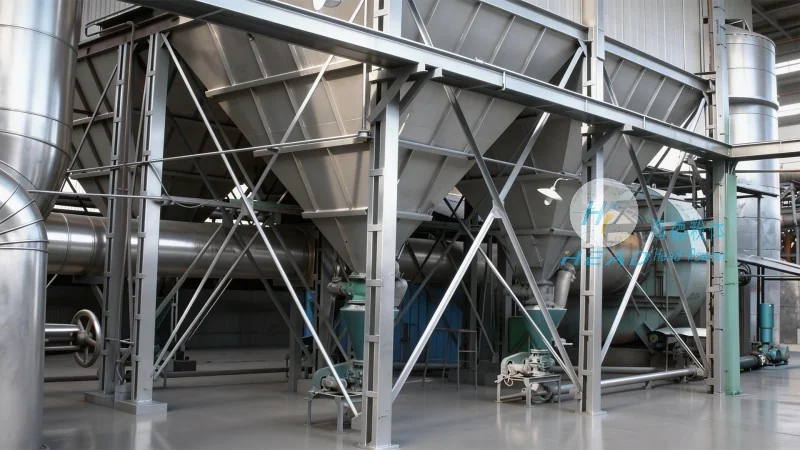
The company's commitment to quality is reflected in their adherence to international standards and rigorous testing protocols. Each conveying line is designed to meet the unique requirements of the application, ensuring optimal performance and longevity. HeadPowder's team of experienced engineers and technicians work closely with clients to understand their operational challenges and develop tailored solutions that enhance efficiency and reduce downtime.
By combining innovative technology with practical application, headpowder delivers reliable and efficient polyethylene pellet conveying lines that meet the demands of modern industrial processes. Their expertise in material handling systems ensures that clients receive not only a product but a comprehensive solution that addresses their specific needs and contributes to overall operational success.




