PP (Polypropylene) material conveying lines are essential in various industrial applications, particularly in the manufacturing and processing sectors where polypropylene is a primary raw material. These systems are designed to efficiently transport PP materials from storage to processing units, ensuring smooth production workflows. The operation of such lines involves a series of components and mechanisms that work in tandem to achieve reliable and consistent material handling. Understanding the operation process and working principles is crucial for optimizing performance and maintaining operational efficiency.
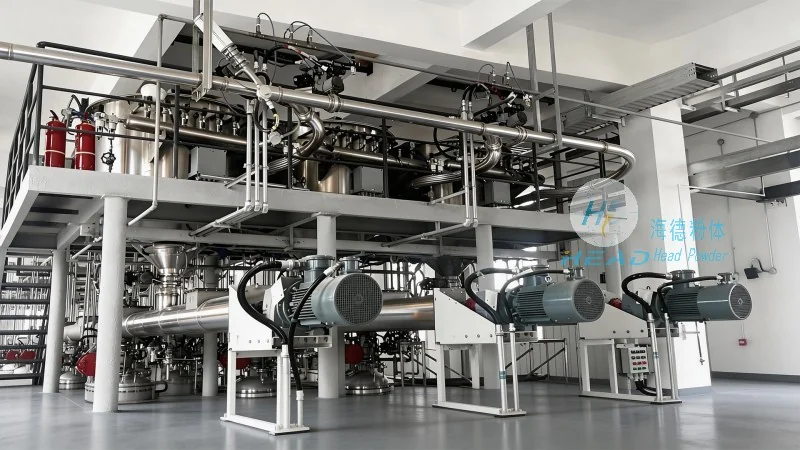
Key Components of PP Material Conveying Systems
The PP material conveying line typically consists of several key components, each playing a vital role in the overall system. These components include feed hoppers, conveyor belts or screw conveyors, control panels, and material handling accessories. The feed hopper is responsible for storing and feeding the PP material into the conveying system. It is designed to handle bulk quantities of polypropylene, ensuring a steady supply to the conveyor. The conveyor itself, which can be either a belt conveyor or a screw conveyor, is the core component that transports the material through the system. The control panel manages the operation of the entire line, allowing for adjustments and monitoring of the conveying process. Additionally, material handling accessories like feeders and dividers may be integrated to direct the material flow and prevent blockages.
Operation Process of PP Material Conveying Lines
The operation process of a PP material conveying line begins with the preparation phase, where the system is checked for proper functioning. The feed hopper is filled with polypropylene material, and the conveyor is started at a low speed to allow the material to settle. Once the material is properly fed into the conveyor, the speed is adjusted to the desired rate. The control panel monitors the system parameters, such as the material level in the hopper and the speed of the conveyor, to ensure that the operation is stable. The conveying process continues as the material is transported to the processing unit. If any issues arise, such as a blockage or a change in material flow, the control system will automatically stop the conveyor or alert the operator. The system is then stopped and inspected to identify and resolve the problem. The entire operation is designed to be efficient and reliable, minimizing downtime and maximizing productivity.
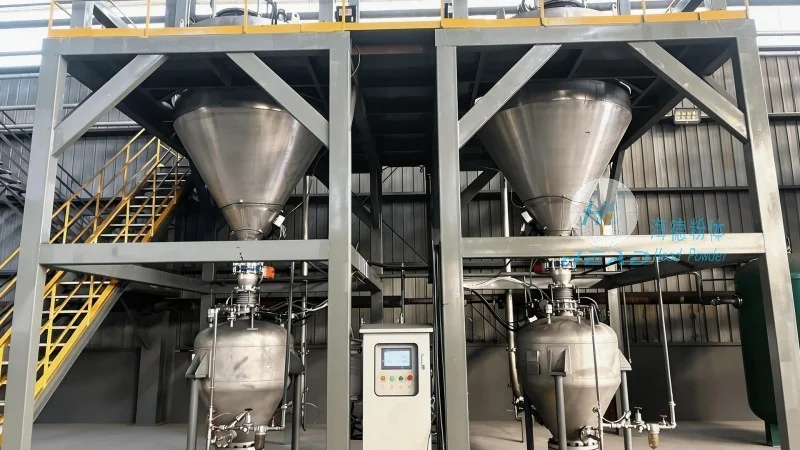
Working Principles of PP Material Conveying Systems
The working principles of PP material conveying lines are based on mechanical and hydraulic systems that facilitate the movement of polypropylene. The primary principle is the use of gravity and mechanical force to move the material through the system. The feed hopper provides the initial force by allowing the material to fall into the conveyor. The conveyor then uses either friction or screw action to move the material forward. The control panel regulates the speed and direction of the conveyor, ensuring that the material is transported at the appropriate rate. The system also incorporates safety features, such as emergency stop buttons and overload protection, to prevent accidents and equipment damage. The working principles are designed to be robust and reliable, capable of handling the varying properties of PP materials, including different densities and moisture levels.
Benefits of Using PP Material Conveying Lines
Implementing PP material conveying lines offers several benefits to industrial operations. Firstly, these systems enhance production efficiency by ensuring a continuous and steady supply of raw materials to processing units. This reduces downtime and increases overall throughput. Secondly, the systems improve safety by minimizing manual handling of bulk materials, reducing the risk of accidents and injuries. Thirdly, the automated control systems allow for precise monitoring and adjustment of the conveying process, leading to better quality control and consistency in the final products. Additionally, the use of PP material conveying lines can reduce labor costs and improve workplace safety, making them a cost-effective solution for industrial applications.
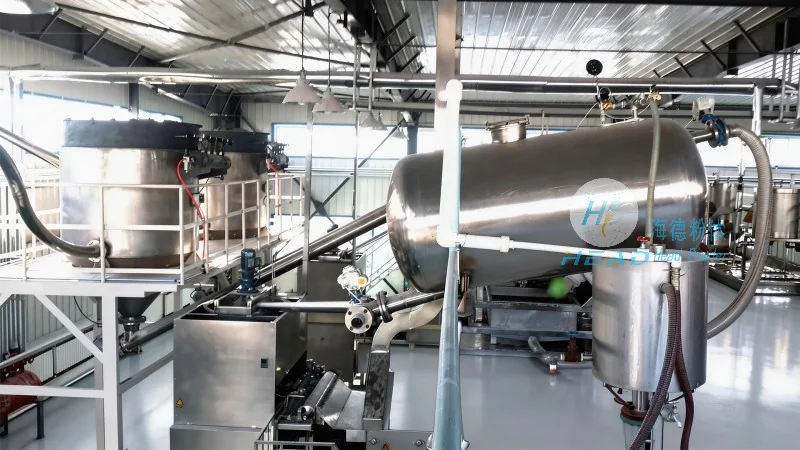
Applications of PP Material Conveying Lines
PP material conveying lines are widely used in various industries, including plastics manufacturing, chemical processing, and food processing. In plastics manufacturing, these systems are used to transport polypropylene pellets or granules from storage to extrusion or molding machines. In chemical processing, they handle polypropylene powders or flakes in production lines. In food processing, they are used to convey polypropylene-based packaging materials or ingredients. The versatility of PP material conveying lines makes them suitable for a wide range of applications, where reliable and efficient material handling is essential.
Maintenance and Troubleshooting of PP Material Conveying Lines
Maintaining the proper operation of PP material conveying lines is crucial for ensuring long-term performance and reliability. Regular maintenance includes cleaning the hopper and conveyor to prevent material buildup, lubricating moving parts, and checking for wear and tear. The control panel should be inspected regularly to ensure it is functioning correctly. Troubleshooting common issues, such as blockages or uneven material flow, involves checking the feed hopper for obstructions, inspecting the conveyor for damage, and verifying the control settings. If issues persist, professional maintenance services should be sought to diagnose and resolve the problem. Proper maintenance and timely troubleshooting can extend the lifespan of the conveying line and minimize operational disruptions.




