Working Principle and Features of Corn Starch Material Conveying Lines
Release time:2026-09-17 22:01:22
name of the company:Shandong Headpowder Engineering Co., Ltd.
telephone:156-6277-7102
contacts:Zhang manager
For industrial applications involving corn starch, efficient material handling is crucial to ensure smooth production processes and maintain product quality. This article provides an in-depth look at the working principle and key features of corn starch material conveying lines, presented by Shandong HeadPowder Engineering Co., Ltd., a leading manufacturer based in Shandong, China.
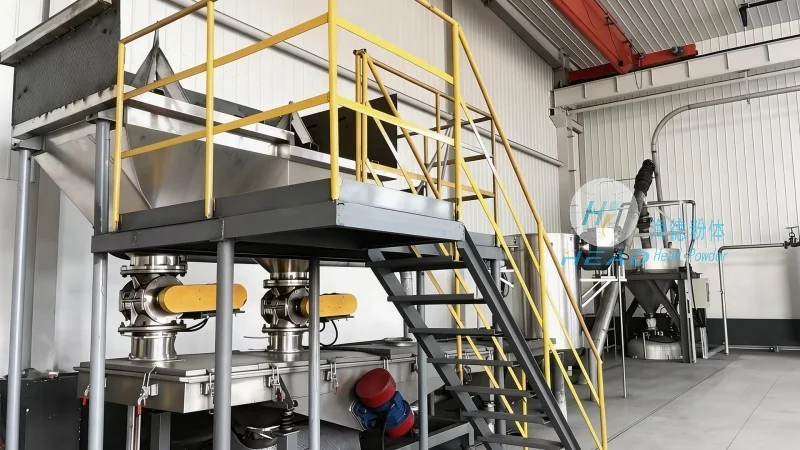
Introduction to Corn Starch Material Conveying Lines
Corn starch is a widely used raw material in various industries, including food processing, pharmaceuticals, and cosmetics. The transportation of corn starch from storage to processing units requires specialized equipment to handle its unique properties, such as low bulk density and fine particle size. A corn starch material conveying line is a system designed to move corn starch efficiently and safely, minimizing dust generation and ensuring consistent flow rates. HeadPowder, as a professional engineering company, specializes in designing and manufacturing tailored conveying solutions for corn starch applications.
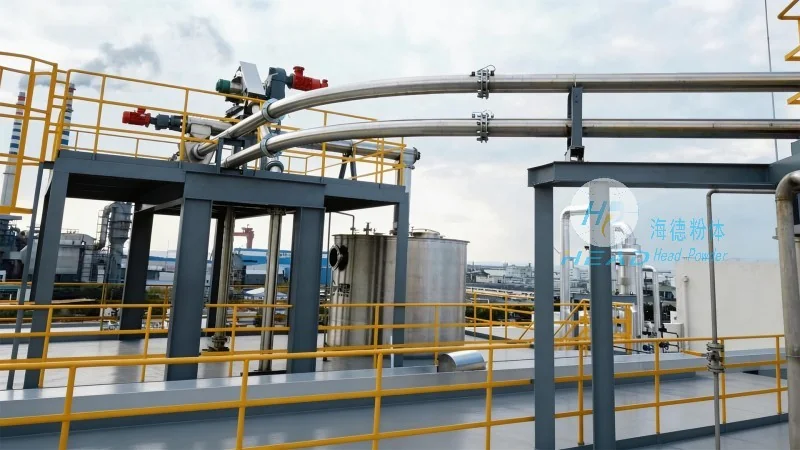
The Working Principle of Corn Starch Material Conveying Lines
The core of a corn starch material conveying line is a combination of components that work in tandem to transport the material. The typical system includes a hopper for material storage, a feeder to control the flow rate, a conveyor (such as a screw conveyor or pneumatic conveyor), and a discharge unit. The working principle involves the following steps:
- Material Storage and Feeding: Corn starch is stored in a hopper, which is equipped with a level indicator to monitor the material volume. A feeder, often a rotary valve or a vibratory feeder, regulates the flow of corn starch from the hopper into the conveyor system. This step ensures a consistent and controlled feed rate, preventing overloading or underloading of the conveyor.
- Conveying Mechanism: The conveyor component is the heart of the system. For corn starch, screw conveyors are commonly used due to their ability to handle fine powders without causing excessive friction or blockages. The screw rotates, pushing the material forward along the conveyor tube. Alternatively, pneumatic conveyors use air pressure to transport the starch, which is suitable for longer distances or when dust control is a priority. The choice of conveyor type depends on the specific application requirements, including the distance to be covered and the need for dust suppression.
- Material Discharge: Once the corn starch reaches the end of the conveyor, it is discharged into a processing unit or a storage container. The discharge point is designed to minimize spillage and ensure a clean transfer. Some systems may include a dust collection system to capture any airborne particles, enhancing safety and compliance with environmental regulations.
Key Features of Corn Starch Material Conveying Lines
HeadPowder's corn starch material conveying lines are engineered with several key features that enhance performance and reliability. These features are tailored to meet the unique demands of corn starch handling and ensure optimal operation in industrial settings.
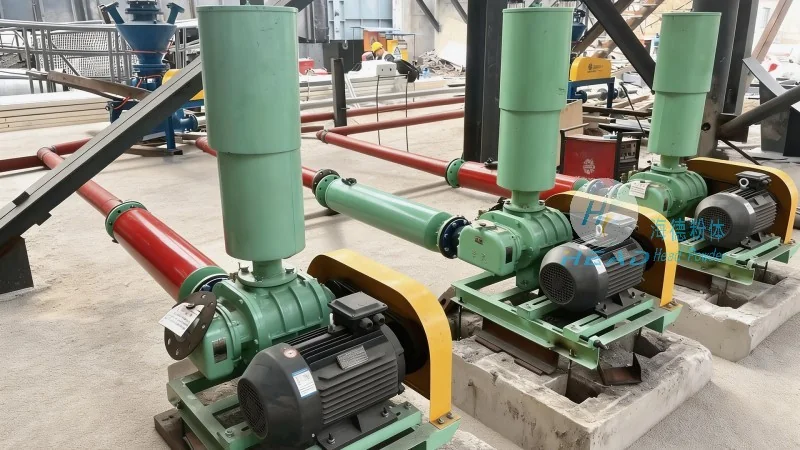
- High Efficiency and Low Maintenance: The conveying systems are designed for high throughput while minimizing downtime. High-quality materials, such as stainless steel or food-grade plastics, are used for components that come into contact with corn starch, ensuring durability and easy cleaning. This reduces maintenance requirements and extends the lifespan of the equipment.
- Effective Dust Control: Corn starch is a fine powder that can generate significant dust during handling. The conveying lines incorporate dust collection and suppression mechanisms, such as sealed conveyor housings and air filtration systems. These features help maintain a clean working environment, reduce the risk of fire hazards, and comply with occupational health and safety regulations.
- Customization and Flexibility: Every corn starch material conveying line is customized to meet the specific needs of the client. HeadPowder works closely with customers to understand their production requirements, including the volume of corn starch to be handled, the distance of transport, and any special environmental considerations. This results in a system that is optimized for efficiency and reliability, ensuring that the conveying line operates at its best under the client's unique conditions.
- Reliability and Safety: The systems are built with safety in mind, incorporating features such as emergency stop buttons, overload protection, and interlocks to prevent accidents. The use of sealed and enclosed designs minimizes the risk of material spillage and exposure to personnel. Additionally, the equipment is designed to comply with international standards for material handling, ensuring that it meets the highest safety and quality benchmarks.
Conclusion
Corn starch material conveying lines are essential for efficient and safe handling of corn starch in industrial applications. The working principle, which involves controlled feeding, efficient conveying, and proper discharge, ensures that the material is transported with minimal loss and contamination. HeadPowder's expertise in designing and manufacturing these systems, combined with their focus on customization and reliability, makes them a trusted partner for businesses requiring high-performance corn starch conveying solutions. By investing in a well-designed corn starch material conveying line, companies can improve their production efficiency, reduce operational costs, and maintain the quality of their final products.




