Mobile material handling systems equipment, also known as mobile material transport systems, are specialized devices designed to efficiently transport and transfer bulk materials or goods within industrial, construction, or logistics environments. These systems are typically mounted on vehicles or mobile platforms, enabling them to move materials from one location to another with ease and precision. The core functionality of such equipment revolves around mechanisms that facilitate the loading, unloading, and movement of materials, often integrating features like conveyor belts, lifting mechanisms, and control systems to enhance operational efficiency.
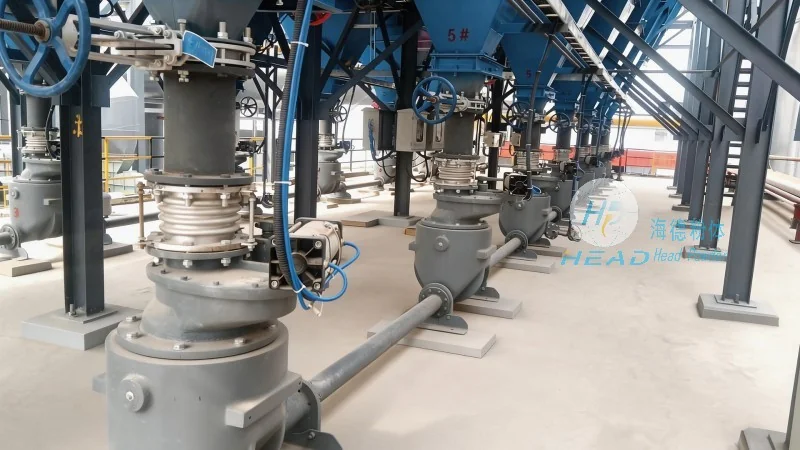
Working Principle of Mobile Material Handling Systems Equipment
The working principle of mobile material handling systems equipment is centered on a combination of mechanical, hydraulic, or electric components that work in tandem to achieve material transport. Typically, these systems consist of a mobile base (such as a truck or trailer) equipped with a conveyor system, lifting arms, or other handling mechanisms. The operation begins with the loading of materials onto the system's receiving platform. Once loaded, the equipment uses hydraulic or electric actuators to lift the material to a desired height or position. Subsequently, the conveyor system or other transport mechanisms move the material along the intended path, either to a storage area, processing unit, or another location. Control systems, often integrated with sensors and user interfaces, allow operators to adjust the speed, direction, and height of the material handling process, ensuring precise and safe operation. The entire process is designed to minimize manual labor, reduce handling time, and enhance overall productivity in material handling tasks.
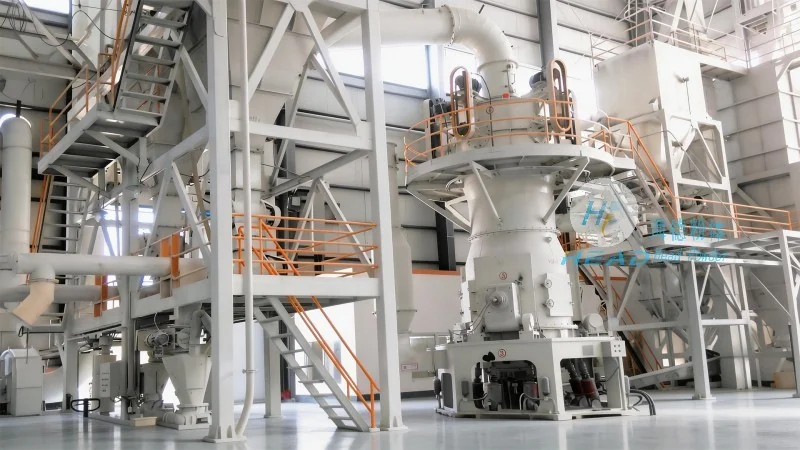
Key Features of Mobile Material Handling Systems Equipment
Mobile material handling systems equipment is characterized by several key features that make them indispensable in various industrial applications. Firstly, their mobility allows for flexible deployment across different work areas, eliminating the need for fixed infrastructure and enabling rapid response to changing material handling needs. Secondly, advanced control systems and sensors enhance operational safety and precision, reducing the risk of accidents and material damage. Thirdly, the integration of conveyor technology and lifting mechanisms provides versatility in handling different types of materials, from loose bulk materials to packaged goods. Additionally, these systems often feature adjustable heights and widths, allowing them to accommodate a wide range of material sizes and shapes. Energy efficiency is another notable feature, with many modern systems incorporating electric or hybrid power sources to reduce operational costs and environmental impact. The durability and robust construction of these devices ensure they can withstand harsh industrial environments, providing long-term reliability and minimal maintenance requirements.
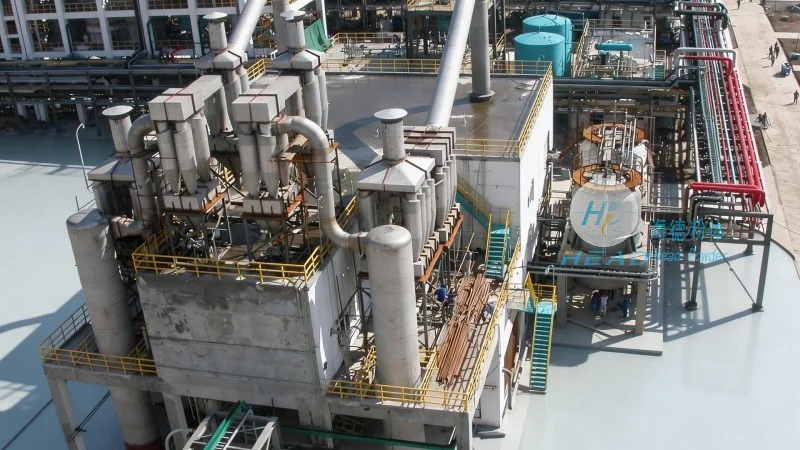
About Shandong HeadPowder Engineering Co., Ltd.
Shandong HeadPowder Engineering Co., Ltd., a leading manufacturer in the field of material handling equipment, specializes in the design, development, and production of mobile material handling systems. With a strong commitment to innovation and quality, the company has established itself as a trusted partner for businesses seeking efficient and reliable material transport solutions. HeadPowder's products are engineered to meet the diverse needs of industries such as construction, mining, agriculture, and logistics, providing tailored solutions that enhance operational efficiency and reduce costs. The company's headquarters is located in Shandong, China, where it leverages advanced manufacturing capabilities and a skilled workforce to deliver high-quality equipment that meets international standards. By focusing on customer-centric design and continuous improvement, HeadPowder ensures that its mobile material handling systems not only meet but exceed industry expectations, contributing to the success of its clients in their material handling operations.




