Understanding the working principle and features of lithium manganese oxide material conveying lines is crucial for optimizing material handling processes in industrial settings. These systems are specifically designed to efficiently transport lithium manganese oxide, a key component in lithium-ion batteries, ensuring smooth and reliable operation from raw material intake to processing and packaging.
Working Principle of Lithium Manganese Oxide Material Conveying Lines
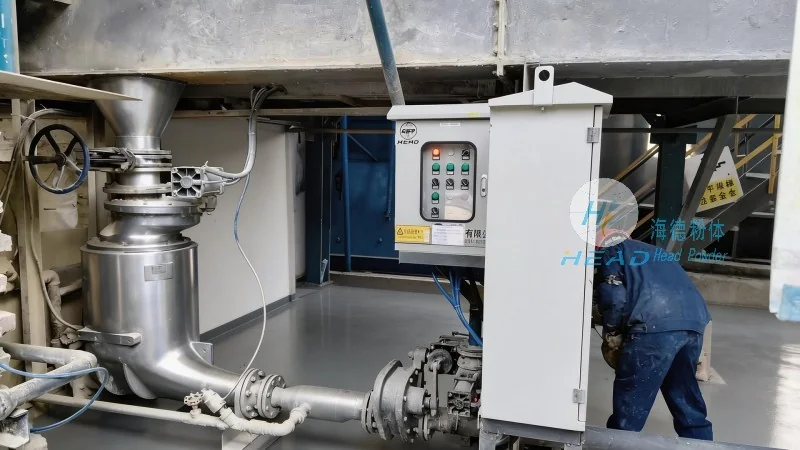
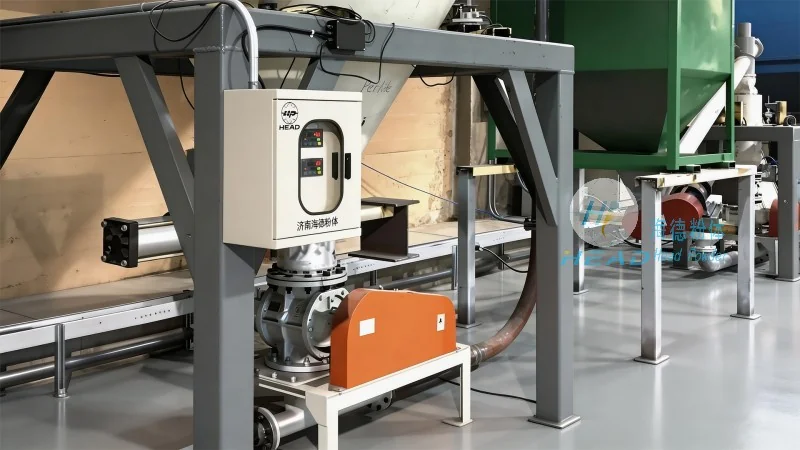
The core working principle of these conveying lines revolves around a series of interconnected components that work in tandem to move material through the production process. Typically, the process begins with material feeding, where raw lithium manganese oxide is introduced into the system. This is often achieved through hoppers or feeders that regulate the flow of material into the primary conveying equipment. The primary conveying equipment, such as belt conveyors or screw conveyors, then transports the material along a designated path. This path may include multiple segments, including elevation changes, horizontal movement, and possibly sorting or screening stages. The conveying system is equipped with sensors and control mechanisms to monitor the flow rate, ensuring consistent and controlled movement of the material. At each stage, the material may undergo processing, such as mixing, blending, or drying, before being transferred to the next step. The final stage involves packaging or discharge, where the processed lithium manganese oxide is collected and prepared for distribution.
Key Features of Lithium Manganese Oxide Material Conveying Lines
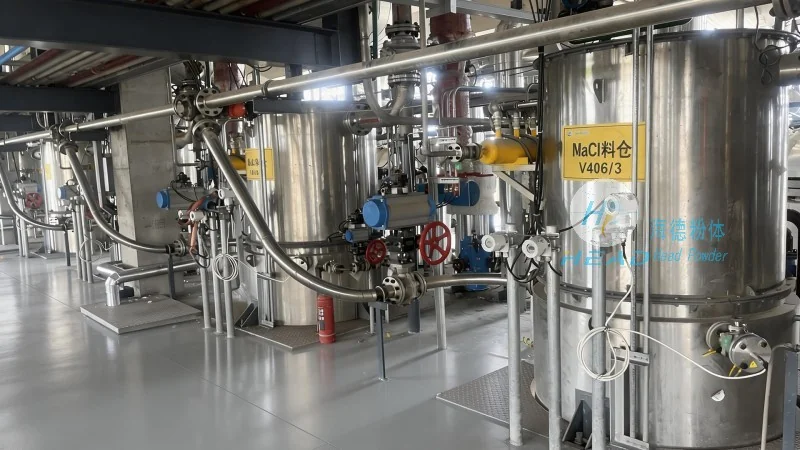
Several key features distinguish lithium manganese oxide material conveying lines, making them suitable for high-performance industrial applications. First, these systems are designed for high efficiency and reliability, minimizing downtime and maximizing throughput. The use of robust materials and advanced engineering ensures durability and long service life. Second, the conveying lines are equipped with precise control systems, allowing for accurate regulation of material flow and processing parameters. This precision is critical for maintaining product quality and consistency. Third, the systems are often modular and customizable, enabling adaptation to specific production requirements and scale. This flexibility allows manufacturers to integrate the conveying lines into existing production facilities or expand operations as needed. Fourth, safety features are integrated throughout the system, including emergency stop mechanisms, protective enclosures, and monitoring systems to prevent accidents and ensure operator safety. Additionally, the lines are designed for easy maintenance and cleaning, with accessible components and automated cleaning processes to minimize operational disruptions.
Company Information: Shandong HeadPowder Engineering Co., Ltd.
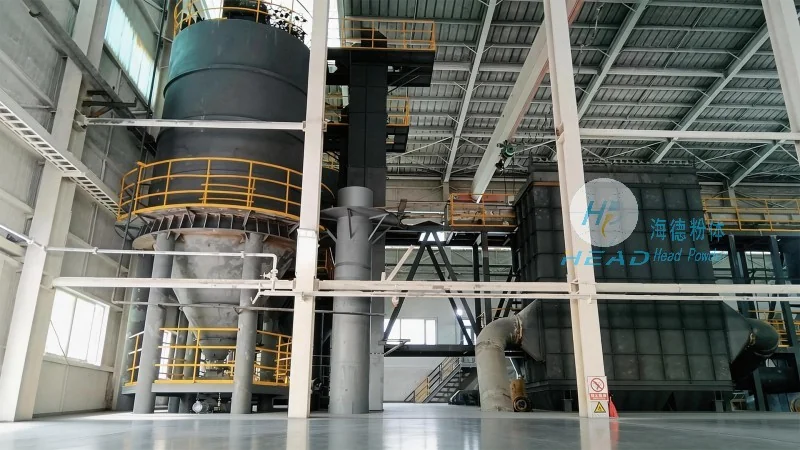
HeadPowder, a leading manufacturer in the field, specializes in the design and production of advanced material conveying systems. With a strong commitment to quality and innovation, the company provides comprehensive solutions tailored to the needs of the lithium battery industry. HeadPowder's facilities are located in Shandong, China, where state-of-the-art technology and skilled professionals ensure the highest standards of manufacturing and service. The company's expertise in material handling and process engineering has earned it a reputation for delivering reliable and efficient conveying lines that meet the stringent requirements of modern industrial production.




