At Shandong HeadPowder Engineering Co., Ltd., we specialize in the design, manufacturing, and installation of advanced milk powder material conveying lines. These systems are engineered to efficiently transport milk powder and related raw materials through various stages of production, ensuring optimal performance and reliability. The following sections detail the operation process and working principles of these critical industrial components.
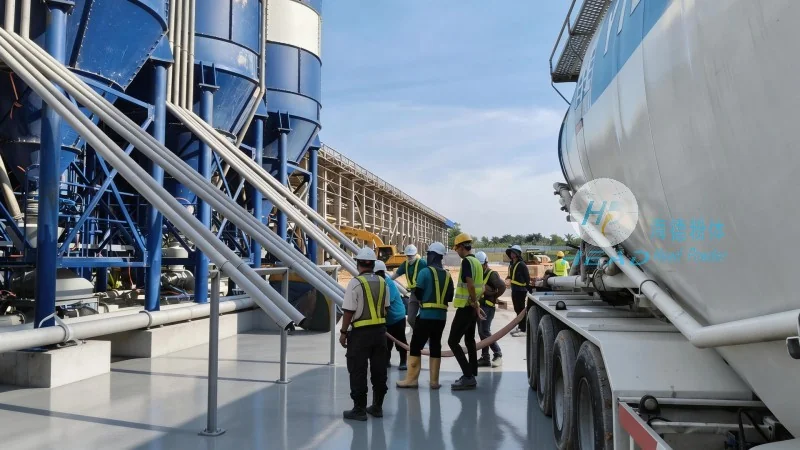
Key Components of the Conveying System
The milk powder material conveying line typically consists of several key components that work in tandem to achieve seamless material handling. These include feed hoppers, conveyor belts or screw conveyors, control panels, and discharge mechanisms. Each component is meticulously designed to handle the unique properties of milk powder, such as its fine particle size and hygroscopic nature, to prevent clogging and ensure consistent flow.
Operation Process: Step-by-Step Overview
The operation of a milk powder material conveying line begins with the loading of raw materials into the feed hopper. The hopper is equipped with a level sensor to monitor the material volume, ensuring that the system operates within safe and efficient parameters. Once the material is loaded, the control panel activates the conveyor mechanism, which may be a belt conveyor or a screw conveyor, depending on the system design.
For belt conveyors, the material is transferred along a moving belt, guided by idlers and pulleys. The speed of the belt is adjustable to control the flow rate, allowing for precise regulation of material throughput. Screw conveyors, on the other hand, use a rotating screw to push material forward, which is particularly effective for handling powders with higher moisture content or those prone to bridging.
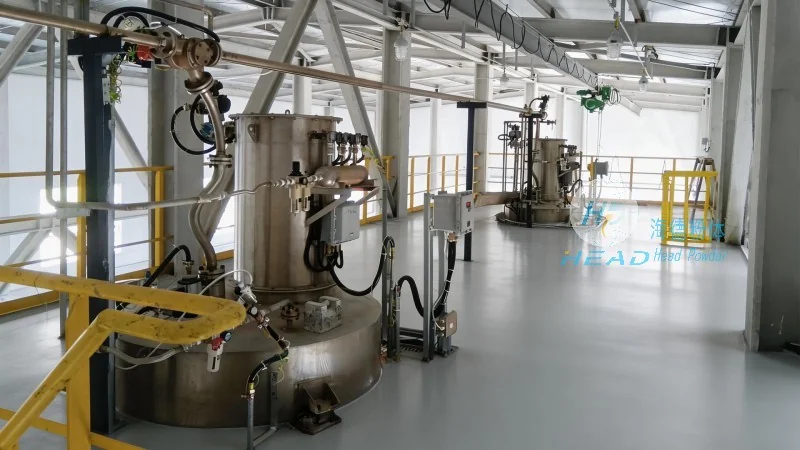
During the conveying process, the system incorporates several safety and monitoring features. Temperature sensors may be installed to detect overheating, which could indicate blockages or excessive friction. Additionally, pressure sensors monitor the system's pressure to prevent overloading and ensure smooth operation. These sensors provide real-time data to the control panel, enabling operators to make immediate adjustments if necessary.
Working Principle: Mechanical and Control Systems
The working principle of the milk powder material conveying line is based on mechanical motion and intelligent control. The core mechanism involves the transfer of material from the feed hopper to the discharge point through a series of interconnected components. The control system, powered by programmable logic controllers (PLCs), coordinates the operation of each component, ensuring that the material is conveyed at the desired speed and volume.
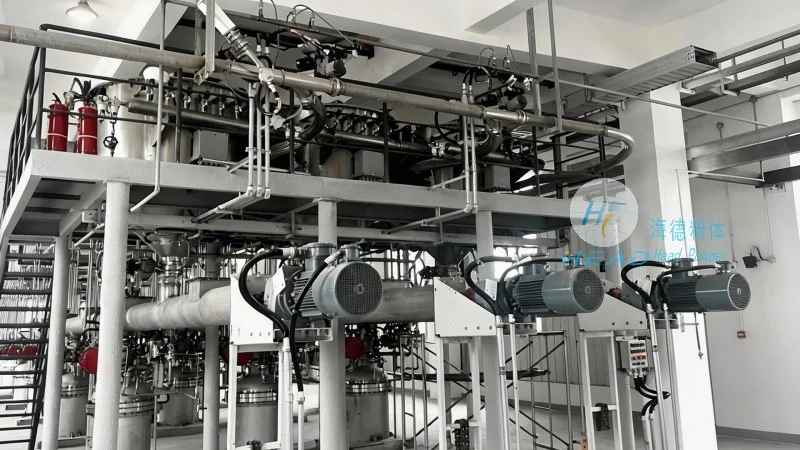
Automation plays a crucial role in maintaining the efficiency of the system. The PLCs receive input from various sensors, such as level, temperature, and pressure sensors, and adjust the conveyor speed or motor power accordingly. This closed-loop control system minimizes human intervention, reduces operational errors, and enhances overall productivity. Furthermore, the system may include features like reverse flow control to clear blockages, ensuring continuous operation without downtime.
Benefits and Applications of the Conveying Line
Shandong HeadPowder Engineering Co., Ltd.'s milk powder material conveying lines offer numerous benefits for industrial applications. These systems are designed to handle high volumes of material with minimal maintenance, reducing operational costs and increasing production efficiency. The advanced control systems ensure consistent material flow, which is critical for maintaining product quality in milk powder processing.
The conveying lines are widely used in various industries, including dairy processing, food manufacturing, and pharmaceuticals. They are particularly suitable for applications where fine powders need to be transported over long distances or through multiple processing stages. The robust design and reliable performance of these systems make them an essential component in modern production facilities.




