Understanding the working principle and key features of dry sludge material conveying lines is crucial for industries dealing with wastewater treatment and solid waste management. These systems are designed to efficiently transport dry sludge, a byproduct of the dewatering process in sewage treatment plants, from one location to another. The technology behind these conveying lines ensures minimal moisture content in the sludge, making it suitable for further processing or disposal.
Company Overview: Shandong HeadPowder Engineering Co., Ltd.
HeadPowder, a leading manufacturer in the field of industrial conveying solutions, specializes in developing and supplying advanced dry sludge material conveying lines. With a strong presence in Shandong, China, the company has built a reputation for delivering high-quality equipment tailored to the specific needs of wastewater treatment facilities. The company’s commitment to innovation and customer satisfaction has made it a trusted partner for many clients worldwide.
Working Principle of Dry Sludge Material Conveying Lines
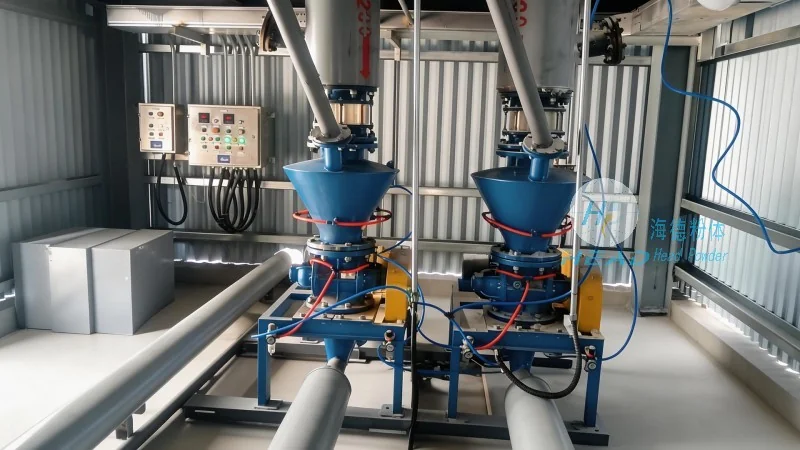
The core working principle of a dry sludge material conveying line involves several key components and processes. The system typically starts with the collection of dry sludge from dewatering equipment, such as belt filters or centrifuges. The sludge is then fed into a conveyor system, which may include screw conveyors, pneumatic conveyors, or a combination of both. The primary goal is to transport the dry sludge with minimal energy consumption and maximum efficiency. The conveying process is often controlled by a programmable logic controller (PLC), which regulates the speed and direction of the conveyor based on real-time conditions. This automation ensures consistent performance and reduces the risk of operational errors.
Key Features of Dry Sludge Material Conveying Lines
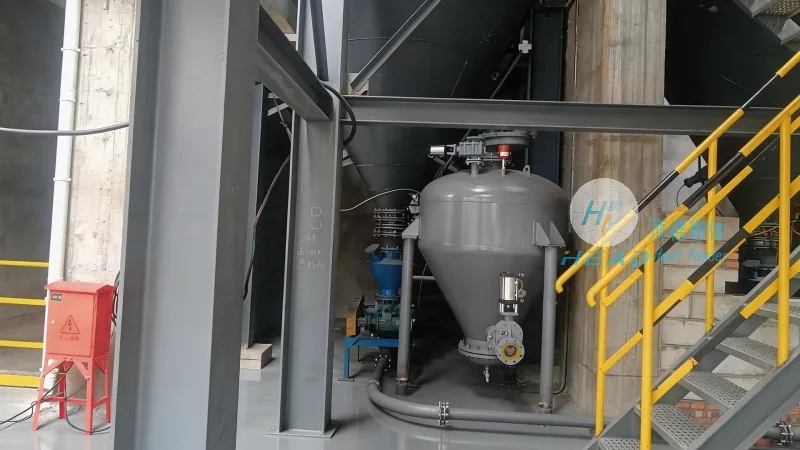
Dry sludge material conveying lines from HeadPowder are equipped with several features that enhance their functionality and reliability. One of the most notable features is the ability to handle high moisture content while maintaining dryness, which is critical for downstream processes. The systems are designed with corrosion-resistant materials, such as stainless steel, to withstand the harsh chemical environment of sludge. Additionally, the conveying lines are equipped with dust control mechanisms, such as sealed housings and air filtration systems, to minimize environmental impact and ensure compliance with environmental regulations. Another key feature is the modular design, which allows for easy installation and maintenance. This modularity enables clients to scale the system as their needs change, providing long-term value and flexibility.
Efficiency and Environmental Benefits
Efficiency is a primary consideration when selecting a dry sludge material conveying line. The systems are engineered to minimize energy consumption while maximizing throughput. By reducing the moisture content of the sludge, the conveying lines help to lower transportation costs and improve the quality of the final product. Furthermore, the environmental benefits are significant. The sealed design of the conveying lines prevents dust and odors from escaping into the environment, contributing to a cleaner and safer working environment. The use of advanced materials and components also reduces the need for frequent maintenance, resulting in lower operational costs over the lifespan of the equipment.
Application in Wastewater Treatment
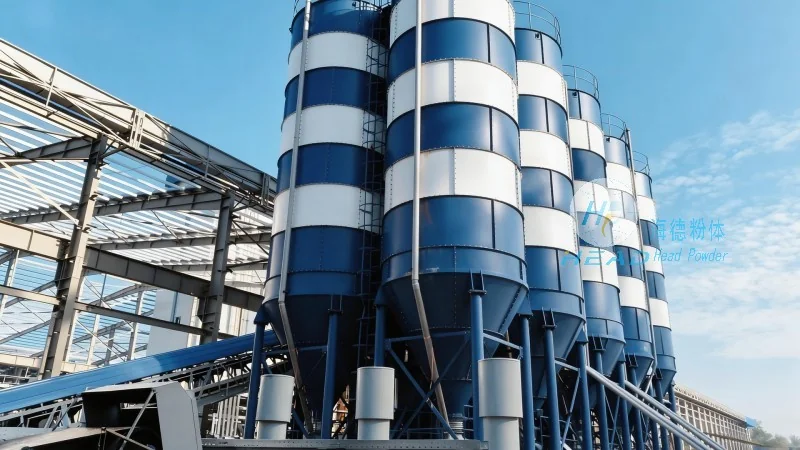
Dry sludge material conveying lines are widely used in wastewater treatment plants to transport dry sludge to storage facilities or for further processing. The systems are designed to handle large volumes of sludge, making them suitable for both small and large-scale treatment facilities. The efficiency of these lines ensures that the sludge is transported quickly and reliably, reducing the risk of contamination and odor issues. Additionally, the modular design allows for integration with existing infrastructure, minimizing the need for major renovations or construction. This makes the systems a cost-effective solution for upgrading or expanding wastewater treatment operations.
Conclusion
In conclusion, dry sludge material conveying lines are essential equipment for the modern wastewater treatment industry. The working principle and features of these systems, as exemplified by HeadPowder’s products, offer significant benefits in terms of efficiency, reliability, and environmental compliance. By understanding the key components and advantages of these systems, clients can make informed decisions when selecting equipment for their facilities. With its headquarters in Shandong, China, HeadPowder continues to lead the way in developing innovative solutions for the handling of dry sludge, providing customers with high-quality equipment that meets their specific needs.




