Understanding the pneumatic conveying of activated carbon powder is crucial for industries that rely on efficient material handling and processing. This article provides an in-depth look at the working principles and various classifications of pneumatic conveying systems, with a focus on their application in the activated carbon powder sector. The information is presented by Shandong HeadPowder Engineering Co., Ltd., a leading provider of engineering solutions for powder handling in China.
Working Principle of Pneumatic Conveying Systems
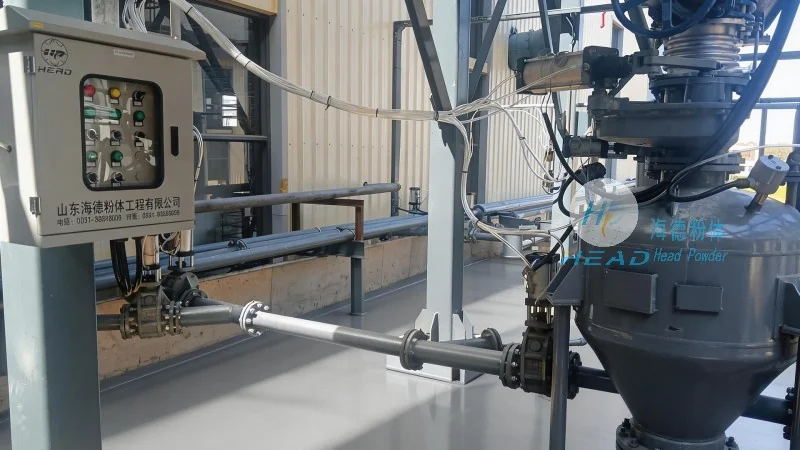
Pneumatic conveying systems utilize air or other gases to transport bulk materials, such as activated carbon powder, from one location to another. The core principle involves creating a pressure differential or using vacuum to move the powder through a pipeline. There are two primary methods: pressure conveying and vacuum conveying. In pressure conveying, compressed air is used to push the powder forward, while vacuum conveying uses a vacuum to draw the material into the system. The choice between these methods depends on factors like the distance to be covered, the material's properties, and the system's design requirements. The system typically includes a hopper for material storage, a conveyor line, and a control unit to regulate air flow and pressure. The air velocity must be sufficient to keep the powder in suspension, preventing blockages and ensuring smooth transport. For activated carbon powder, which is often fine and abrasive, the system design must consider factors like particle size, density, and flowability to maintain efficiency and prevent equipment wear.
Classification of Pneumatic Conveying Systems
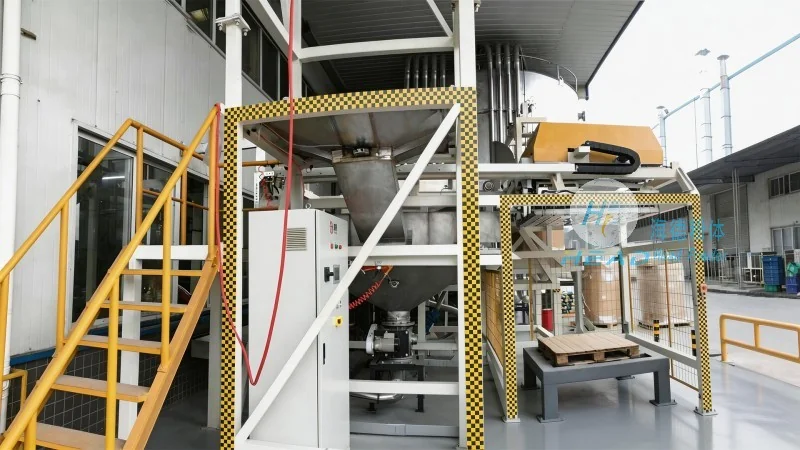
Pneumatic conveying systems are classified based on several criteria, including the method of air flow, the pressure level, and the system configuration. The main classifications include dilute-phase and dense-phase systems. Dilute-phase systems operate at higher air velocities, typically above 20 m/s, and are suitable for short distances and low to medium material loads. These systems are commonly used for transporting activated carbon powder over short distances within a facility. Dense-phase systems, on the other hand, operate at lower air velocities and higher material concentrations, often using a piston or positive displacement pump to push the powder through the line. This method is ideal for long-distance transport and for materials that are prone to segregation or degradation. For activated carbon powder, the selection of a dilute-phase or dense-phase system depends on the specific application requirements, such as the distance between the source and destination, the volume of material to be transported, and the need to maintain product integrity. Shandong HeadPowder Engineering Co., Ltd. offers customized solutions that match these criteria, ensuring optimal performance for each client's needs.
Application Scenarios and Benefits
The application of pneumatic conveying for activated carbon powder spans various industries, including water treatment, air purification, and chemical processing. In water treatment facilities, activated carbon is used for adsorption of contaminants, and pneumatic conveying allows for efficient transfer of the powder from storage to the treatment units. This method reduces handling time and minimizes the risk of contamination, which is critical in such applications. In air purification systems, activated carbon is used to remove odors and volatile organic compounds (VOCs), and the ability to transport the powder efficiently ensures that the purification systems can be maintained and operated effectively. The benefits of pneumatic conveying over traditional methods, such as bucket elevators or belt conveyors, include lower energy consumption, reduced labor costs, and improved safety. The system is enclosed, preventing dust emissions and protecting workers from exposure to fine particles. Additionally, pneumatic conveying can handle materials with varying properties, making it versatile for different types of activated carbon powders, including powdered activated carbon (PAC) and granular activated carbon (GAC).
About Shandong HeadPowder Engineering Co., Ltd.
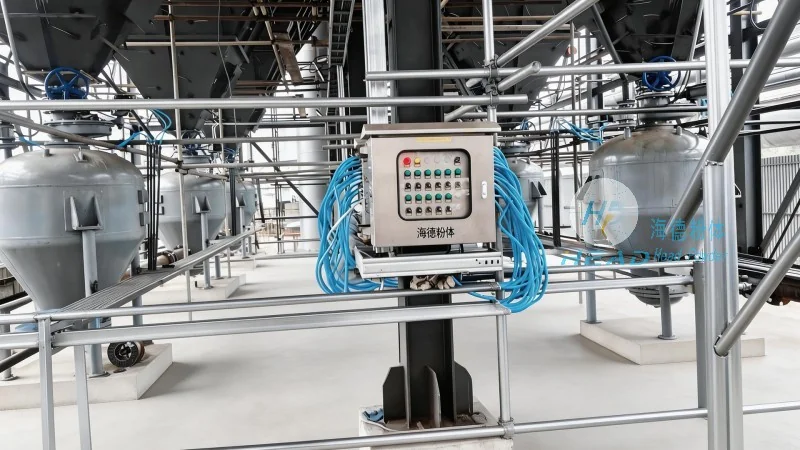
Shandong HeadPowder Engineering Co., Ltd. is a professional engineering company based in Shandong, China, specializing in the design, manufacturing, and installation of powder handling systems. With years of experience in the industry, the company has developed expertise in handling various types of powders, including activated carbon. The company's team of engineers and technicians work closely with clients to understand their specific requirements and provide tailored solutions. From system design and material selection to installation and maintenance, Shandong HeadPowder Engineering Co., Ltd. offers comprehensive services to ensure the efficient and reliable operation of pneumatic conveying systems for activated carbon powder. The company's commitment to quality and customer satisfaction has made it a trusted partner for many industries that rely on activated carbon for their processes.




