Shandong HeadPowder Engineering Co., Ltd., a leading manufacturer in the field, specializes in the design, production, and application of fine chemical material handling equipment. This equipment is crucial for the efficient and safe transportation of various fine chemicals, which are often characterized by their high purity requirements and complex physical properties. The operation process and working principle of such equipment are essential for understanding its functionality and ensuring optimal performance in industrial settings.
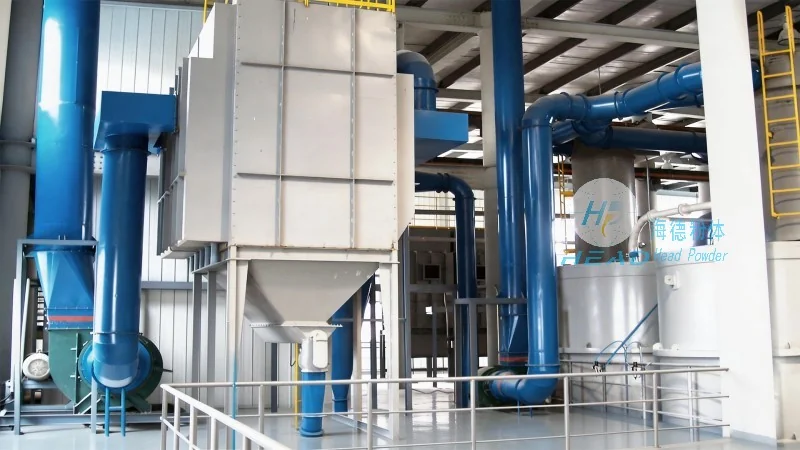
Key Components and Their Roles
The fine chemical material handling equipment typically consists of several key components, each playing a vital role in the overall system. These components include feeders, conveyors, storage tanks, and control systems. The feeders are responsible for accurately metering and feeding the chemical materials into the conveyor system. The conveyors, which may be of various types such as screw conveyors, pneumatic conveyors, or belt conveyors, transport the materials from one location to another. Storage tanks are used for temporary storage or mixing of the chemicals, while the control systems ensure that all operations are carried out in a controlled and safe manner. Each component is carefully designed to meet the specific requirements of the fine chemicals being handled, ensuring minimal contamination and product loss.
Operation Process Overview
The operation process of fine chemical material handling equipment generally follows a systematic sequence to ensure smooth and efficient material flow. The process typically begins with the preparation of the chemical materials, which may involve weighing, mixing, or pre-treatment to meet the required specifications. Once prepared, the materials are fed into the feeder, which regulates the flow rate and volume. The feeder then transfers the materials to the conveyor system, which transports them to the storage tank or processing unit. The control system monitors the entire process, adjusting parameters such as speed, pressure, and temperature as needed to maintain optimal conditions. The equipment also includes safety features such as overfill protection, pressure relief valves, and emergency stop buttons to prevent accidents and ensure the safety of operators and the environment.
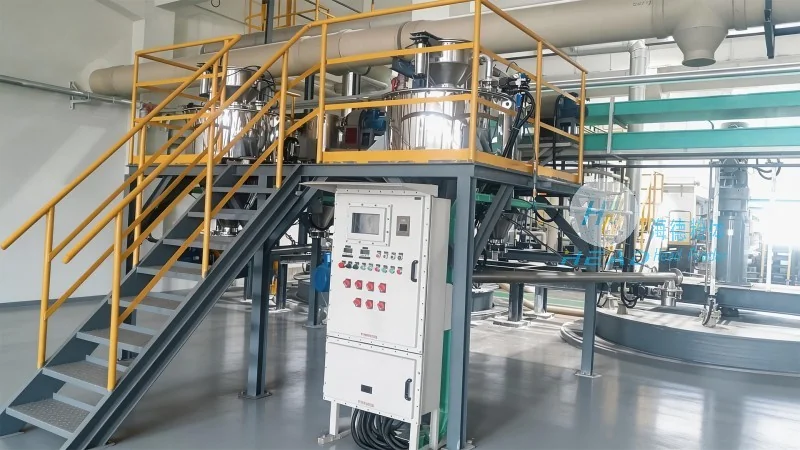
Working Principle of the Conveyor System
The working principle of the conveyor system in fine chemical material handling equipment varies depending on the type of conveyor used. For example, screw conveyors operate by rotating a screw within a trough, which moves the material forward due to the friction between the screw and the material. Pneumatic conveyors use compressed air to create a flow of material through a pipeline, often using a combination of positive and negative pressure to transport the chemicals. Belt conveyors, on the other hand, use a continuous belt that moves over rollers, transporting the material by friction. Each type of conveyor has its advantages and is selected based on the properties of the fine chemicals, such as particle size, moisture content, and flowability. The selection of the appropriate conveyor type is critical to ensure efficient and reliable material transport, minimizing downtime and maintenance costs.
Control and Monitoring Systems
The control and monitoring systems are integral to the operation of fine chemical material handling equipment, ensuring that all processes are carried out in a controlled and safe manner. These systems typically include sensors, controllers, and indicators that monitor parameters such as flow rate, pressure, temperature, and level. The sensors provide real-time data to the controller, which adjusts the operation of the equipment to maintain optimal conditions. For example, if the flow rate is too high, the controller may reduce the speed of the conveyor or adjust the feeder setting to prevent overloading. The monitoring systems also include alarms and alerts that notify operators of any abnormalities or potential issues, allowing for quick intervention and prevention of accidents. The use of advanced control technologies, such as PLC (Programmable Logic Controller) and SCADA (Supervisory Control and Data Acquisition) systems, enhances the efficiency and reliability of the equipment, enabling remote monitoring and control from a central location.
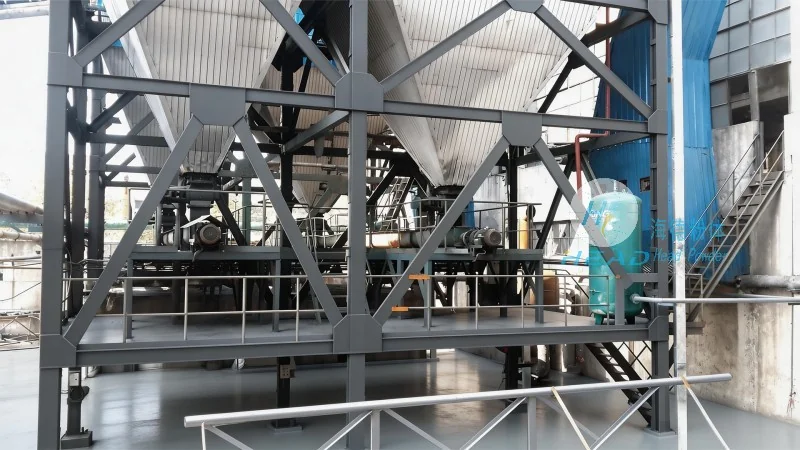
Applications and Industry Impact
Fine chemical material handling equipment is widely used in various industries, including pharmaceuticals, chemicals, food processing, and cosmetics. The equipment is essential for the production of high-purity chemicals, which are used in the manufacturing of pharmaceuticals, agrochemicals, and other specialty products. The efficient and safe handling of these materials is critical to ensuring product quality and meeting regulatory requirements. The equipment also plays a vital role in improving production efficiency and reducing costs by minimizing material loss and downtime. Shandong HeadPowder Engineering Co., Ltd. provides customized solutions tailored to the specific needs of each industry, ensuring that the equipment is optimized for the particular application and materials being handled.
Maintenance and Safety Considerations
Maintenance and safety are crucial aspects of operating fine chemical material handling equipment. Regular maintenance is required to ensure the equipment operates efficiently and safely. This includes cleaning the equipment to prevent contamination, lubricating moving parts, and inspecting components for wear and tear. The equipment should also be inspected regularly for any signs of damage or malfunction, and repairs should be carried out promptly to prevent further issues. Safety considerations are also paramount, as fine chemicals can be hazardous and pose risks to operators and the environment. The equipment should be equipped with appropriate safety features, such as explosion-proof designs, fire suppression systems, and personal protective equipment (PPE) for operators. Training of operators on the safe operation of the equipment is also essential to prevent accidents and ensure compliance with safety regulations.




