For industrial applications involving the handling of lithium oxalate, efficient and reliable material transport is crucial. A pneumatic conveying system offers a solution that combines precision, safety, and operational flexibility. This article provides an in-depth analysis of such a system, focusing on its design, functionality, and practical applications in the chemical and pharmaceutical sectors.
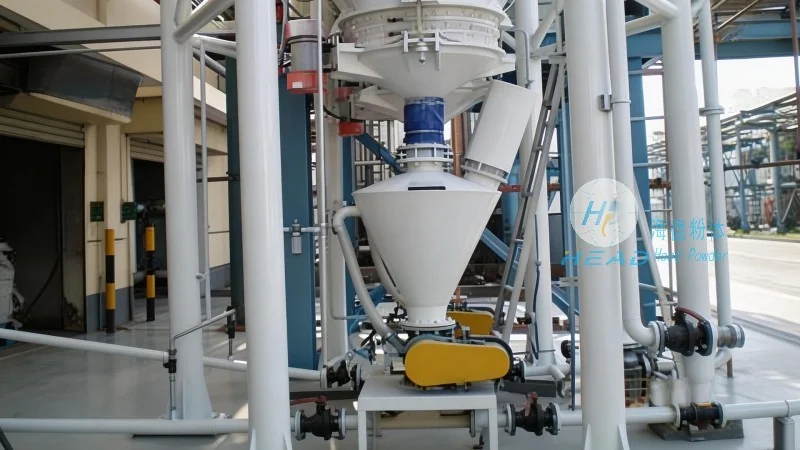
Understanding the Core Components of a Pneumatic Conveying System
The lithium oxalate pneumatic conveying system typically consists of several key components that work in tandem to ensure smooth material transfer. These include a hopper for material storage, a rotary valve or feeder to control the flow rate, a conveying pipeline, a dust collector to manage airborne particles, and a receiver for the discharged material. Each component plays a vital role in maintaining the system's efficiency and preventing material degradation or loss.
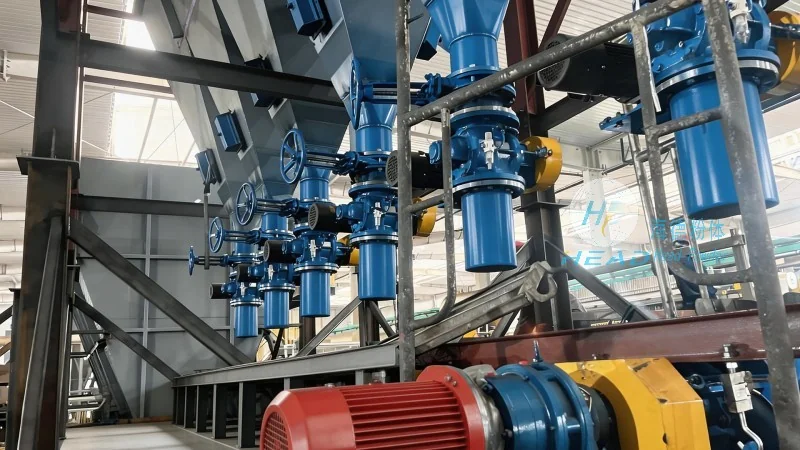
Design Considerations for Lithium Oxalate Handling
When designing a pneumatic conveying system for lithium oxalate, several factors must be considered to ensure optimal performance. The material's properties, such as its density, flowability, and potential for dust generation, are critical. The system must be constructed from materials that are compatible with lithium oxalate to avoid contamination or corrosion. Additionally, the conveying velocity and pressure must be carefully calibrated to prevent product degradation or blockages in the pipeline. Proper sealing and maintenance are also essential to maintain the system's integrity and operational longevity.
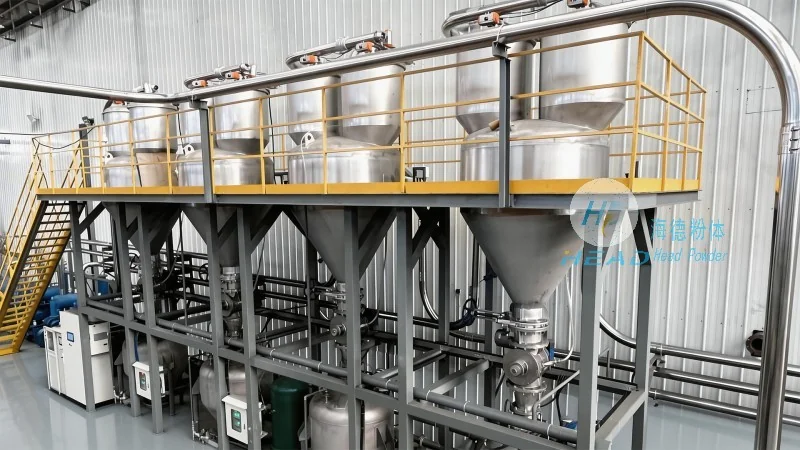
Operational Efficiency and Safety Features
Efficiency and safety are paramount in industrial material handling. The lithium oxalate pneumatic conveying system incorporates several features to enhance both. For instance, the system may include pressure sensors and flow monitors to detect anomalies and prevent over-pressurization. Dust collection systems are integrated to minimize airborne particulates, ensuring compliance with environmental regulations and protecting personnel from exposure. The design also prioritizes ease of maintenance, with accessible components and clear operational indicators to facilitate quick troubleshooting and repairs.
Applications and Industry Impact
Lithium oxalate is widely used in various industries, including battery manufacturing, pharmaceuticals, and chemical synthesis. The pneumatic conveying system is particularly valuable in these sectors due to its ability to handle fine powders and maintain product purity. By ensuring consistent and controlled material transfer, the system contributes to improved production yields, reduced waste, and enhanced product quality. The reliability of the system also supports continuous operation, minimizing downtime and increasing overall operational efficiency.
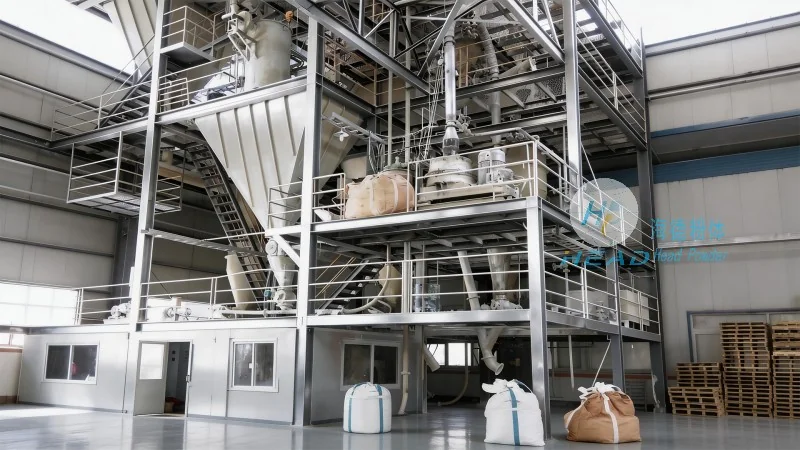
Company Profile: Shandong HeadPowder Engineering Co., Ltd.
HeadPowder, or Shandong HeadPowder Engineering Co., Ltd., is a leading provider of engineering solutions for material handling systems. With a focus on innovation and customer satisfaction, the company specializes in designing and manufacturing customized pneumatic conveying systems tailored to specific industrial needs. HeadPowder's expertise in handling sensitive materials like lithium oxalate has earned them a reputation for delivering high-quality, reliable solutions that meet stringent industry standards. The company's facilities are located in Shandong, China, where they leverage advanced technology and skilled personnel to develop cutting-edge solutions for their clients.




