When it comes to efficiently transporting foam plastic materials, pneumatic conveying systems offer a reliable and effective solution. These systems utilize air or gas to move powders, granules, and other particulate materials through a pipeline network. The technology has evolved significantly over the years, with advancements in material handling and process control. In this article, we will explore the fundamental principles behind foam plastic pneumatic conveying and how these systems operate to ensure smooth and efficient material transport.
Understanding Pneumatic Conveying Technology
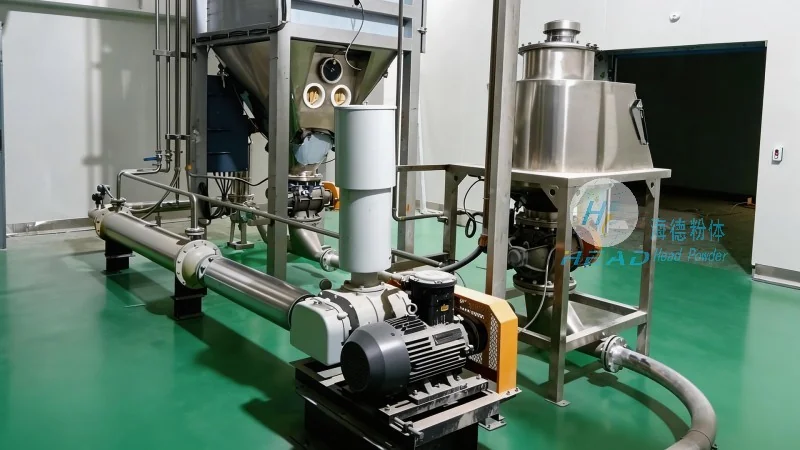
Pneumatic conveying, also known as air conveying, is a method of transporting bulk materials using a pressurized or vacuumed air stream. The process involves feeding the material into a hopper or feeder, where it is then drawn or pushed through a pipeline by the air flow. For foam plastic, which is typically lightweight and can be prone to static charge issues, specialized systems are designed to handle these unique characteristics. The system components include a feeder, a conveying line, a receiver, and often a filter or separator to prevent material loss and maintain air quality.
Key Components of a Foam Plastic Pneumatic Conveying System
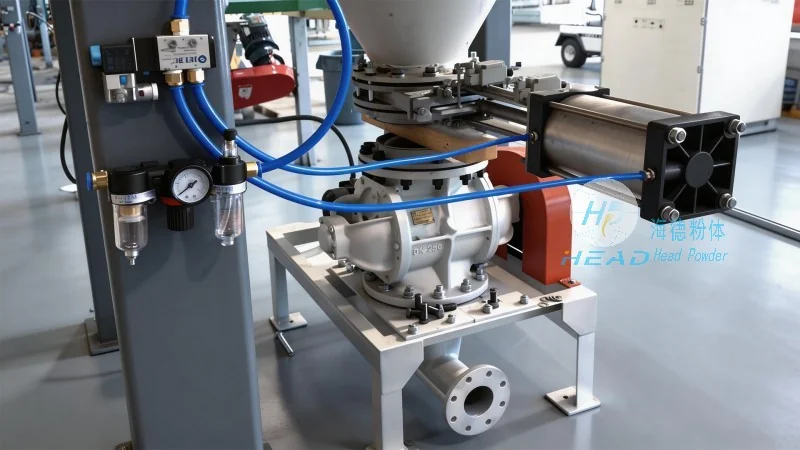
The effectiveness of a foam plastic pneumatic conveying system depends on several critical components working in harmony. The feeder is responsible for controlling the flow rate of the material, ensuring a consistent and controlled feed into the system. For foam plastic, which can be delicate and easily fragmented, a gentle feeding mechanism is essential to maintain material integrity. The conveying line, typically made of stainless steel or other corrosion-resistant materials, is designed to withstand the abrasive nature of the material and the pressure differentials involved. The receiver is where the material is deposited, and it often includes a hopper or storage bin to accommodate the transported material. Additionally, a filter or separator is crucial to remove any fine particles or dust from the air stream, ensuring compliance with environmental regulations and maintaining system efficiency.
Working Principle of Foam Plastic Pneumatic Conveying
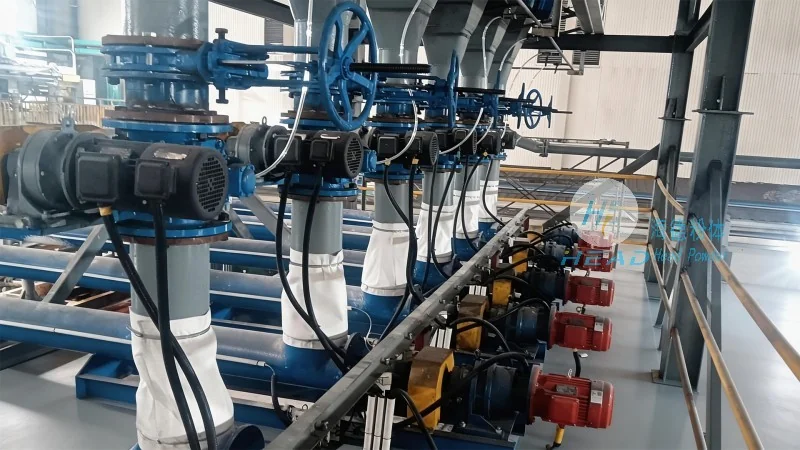
The core of the system operates on the principle of air movement. In a pressure system, air is compressed and forced through the pipeline, carrying the foam plastic particles along with it. The air velocity is carefully controlled to prevent material degradation or blockages. Conversely, in a vacuum system, a vacuum pump creates a low-pressure environment that draws the material into the pipeline. Both systems rely on the balance between air pressure and material density to achieve efficient transport. For foam plastic, which has a low bulk density, the system must be optimized to maintain sufficient air velocity to prevent material settling or clogging. This often involves adjusting the air flow rate, pipeline diameter, and feeding rate to achieve optimal performance.
Benefits of Using Foam Plastic Pneumatic Conveying Systems
Implementing a foam plastic pneumatic conveying system offers numerous advantages for industrial applications. One of the primary benefits is the ability to transport materials in a closed system, which minimizes dust emissions and improves workplace safety. This is particularly important for foam plastic, which can generate fine particles that are hazardous if inhaled. Additionally, the system allows for continuous and automated material handling, reducing labor costs and increasing production efficiency. The enclosed design also helps maintain material purity, preventing contamination from external sources. Furthermore, the flexibility of pneumatic conveying systems allows for easy integration with existing production lines and the ability to transport materials over long distances without the need for multiple transfer points.
Applications in Various Industries
Foam plastic pneumatic conveying systems are widely used across various industries due to their versatility and efficiency. In the automotive industry, these systems are used to transport foam components for seating and insulation. The food and beverage industry utilizes them for transporting powdered ingredients, such as flavorings or colorants, while maintaining hygiene standards. The packaging industry benefits from the ability to transport foam packaging materials, such as cushioning or protective inserts, to different production stages. Additionally, in the construction industry, foam plastic materials for insulation or soundproofing are efficiently conveyed using these systems. The adaptability of the technology makes it suitable for a wide range of applications, from small-scale operations to large industrial plants.
Considerations for System Design and Installation
When designing and installing a foam plastic pneumatic conveying system, several factors must be considered to ensure optimal performance and longevity. The first consideration is the material properties of the foam plastic, including its density, moisture content, and tendency to generate static charge. These factors influence the choice of system type (pressure or vacuum) and the necessary air flow rates. The second consideration is the distance and layout of the conveying line, as this affects the required pressure or vacuum levels and the number of components needed. The third consideration is the environmental regulations and safety standards that must be met, particularly regarding dust control and air quality. Proper system sizing, regular maintenance, and adherence to manufacturer guidelines are essential to maximize the system's lifespan and efficiency.




