Alloy powder material handling is a critical process in various industrial applications, particularly in manufacturing sectors that rely on precise and efficient powder transport. The proper handling of alloy powders ensures consistent quality, reduces material loss, and enhances overall production efficiency. This article delves into the operation process and working principles of alloy powder material handling systems, highlighting the key components and mechanisms involved.
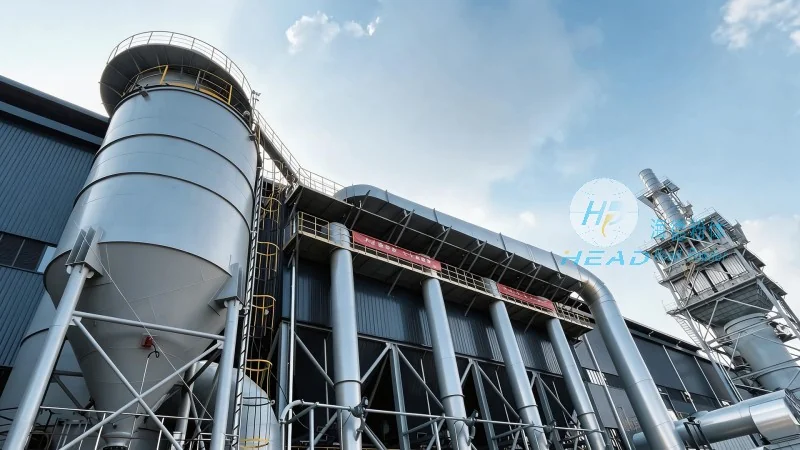
About Shandong HeadPowder Engineering Co., Ltd.
HeadPowder, a leading provider of material handling solutions, specializes in designing and manufacturing advanced systems for alloy powder transport. With a strong presence in China, particularly in Shandong, the company has established itself as a trusted partner for industries requiring reliable and efficient powder handling technologies. The company’s commitment to innovation and quality has enabled it to serve a diverse range of clients, from aerospace to automotive and beyond.
Key Components of Alloy Powder Material Handling Systems
Alloy powder material handling systems typically consist of several essential components that work in tandem to ensure smooth and efficient operation. These components include hoppers, feeders, conveyors, and control systems. Each component plays a crucial role in the overall process, and their proper integration is vital for optimal performance.
1. **Hoppers**: Hoppers are used to store and feed alloy powders into the system. They are designed with appropriate dimensions and materials to prevent material degradation and ensure consistent flow. The design of the hopper, including its shape and internal surfaces, is critical to minimize powder segregation and maintain uniform particle size distribution.
2. **Feeders**: Feeders are responsible for controlling the flow rate of alloy powders from the hopper to the conveyor system. Different types of feeders, such as screw feeders, vibratory feeders, and rotary valves, are used depending on the specific requirements of the application. The feeder ensures that the powder is delivered at a controlled rate, preventing overloading or underloading of the conveyor.
3. **Conveyors**: Conveyors are the primary means of transporting alloy powders from one location to another. Various types of conveyors, including pneumatic conveyors, belt conveyors, and screw conveyors, are employed based on the material characteristics and operational needs. Pneumatic conveyors, for instance, use air pressure to move powders, while belt conveyors rely on mechanical motion to transport the material.
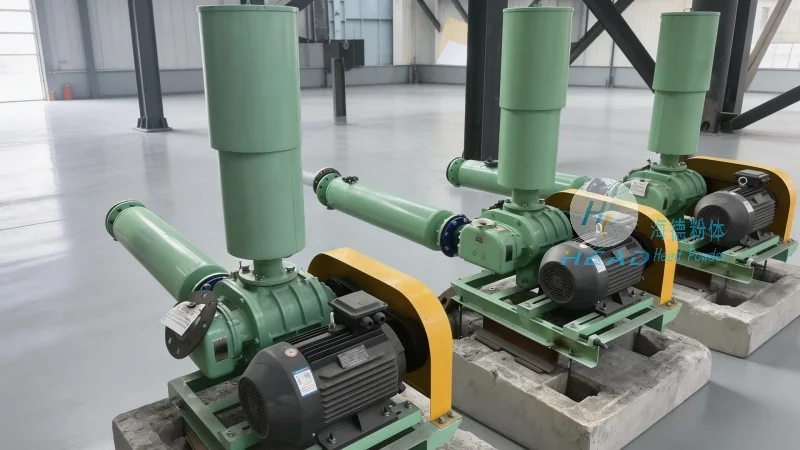
4. **Control Systems**: Control systems monitor and regulate the operation of the material handling system. They include sensors, controllers, and software that ensure the system operates within specified parameters. The control system provides real-time feedback on the flow rate, pressure, and other critical parameters, allowing for adjustments to maintain optimal performance.
The Operation Process of Alloy Powder Material Handling
The operation process of alloy powder material handling involves several sequential steps that ensure the efficient transport of powders. The process typically begins with the loading of alloy powders into the hopper. The hopper is then fed into the system, and the feeder regulates the flow rate. The controlled powder flow is then directed to the conveyor, which transports the material to the desired destination. The control system continuously monitors the process, making adjustments as needed to maintain stability and efficiency.
During the operation, the system must maintain consistent flow rates and prevent issues such as clogging or material segregation. Proper maintenance and regular inspections are essential to ensure the longevity and reliability of the system. The process is designed to be flexible, allowing for adjustments to accommodate different powder types and production requirements.
Working Principles of Alloy Powder Material Handling
The working principles of alloy powder material handling are based on the physics of powder flow and the mechanics of conveyor systems. The primary principle is the use of controlled pressure and motion to move powders from one point to another. In pneumatic conveyors, for example, air is used to create a pressure differential that propels the powder through the system. The design of the conveyor, including the angle and speed of the belt or screw, affects the flow characteristics of the powder.
Another key principle is the prevention of material degradation. Alloy powders are often sensitive to moisture, temperature, and mechanical stress. The material handling system is designed to minimize these factors, using appropriate materials and protective measures. For instance, the hopper and feeder are made of corrosion-resistant materials to prevent contamination, and the conveyor is designed to reduce friction and impact on the powder particles.
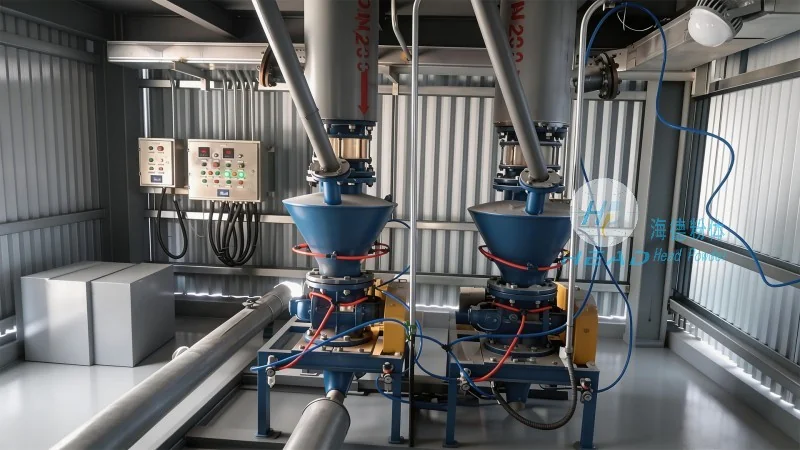
The control system plays a crucial role in maintaining the working principles by continuously monitoring and adjusting the parameters. This ensures that the system operates within the optimal range, preventing issues such as overloading or underloading. The system is also designed to be scalable, allowing for expansion as production needs change.
Technical Advantages of HeadPowder's Alloy Powder Handling Solutions
HeadPowder’s alloy powder material handling systems offer several technical advantages that make them ideal for industrial applications. The company’s expertise in material science and engineering has enabled the development of systems that are highly efficient, reliable, and durable. The systems are designed to handle a wide range of alloy powders, including those with varying particle sizes and densities.
One of the key advantages is the ability to maintain consistent powder quality. The controlled flow and minimal segregation ensure that the powder remains uniform throughout the transport process. This is critical for applications where powder consistency directly impacts product quality, such as in the production of aerospace components or high-performance alloys.
Another advantage is the energy efficiency of the systems. HeadPowder’s designs incorporate advanced technologies that reduce energy consumption while maintaining high performance. The use of efficient conveyors and control systems minimizes operational costs, making the systems cost-effective for long-term use.
The company also emphasizes safety and compliance. The systems are designed to meet industry standards and regulations, ensuring safe operation and minimal environmental impact. The use of appropriate materials and protective measures reduces the risk of accidents and contamination.




