Understanding the working principles of pneumatic conveying systems is crucial for industries dealing with glass raw materials. This article provides a detailed overview of how these systems operate, focusing on the technical aspects and practical applications in the glass manufacturing process.
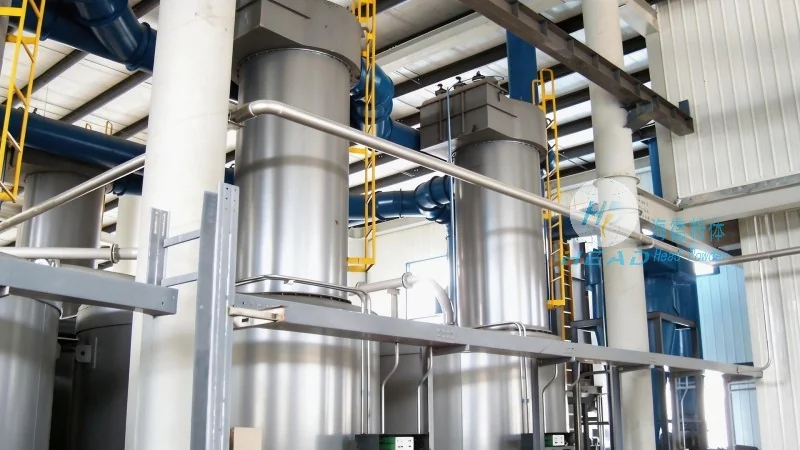
About HeadPowder Engineering
HeadPowder, formally known as Shandong HeadPowder Engineering Co., Ltd., is a professional provider of powder handling solutions. With a base in Shandong, China, the company specializes in designing and manufacturing advanced pneumatic conveying equipment tailored for various industrial applications, including the glass industry.
What is Pneumatic Conveying?
Pneumatic conveying, also known as powder handling systems, is a method of transporting bulk materials like glass raw materials through a pipeline using air or gas as the conveying medium. Unlike mechanical systems that rely on belts or screws, pneumatic systems utilize pressure differentials to move materials efficiently and safely. This technology is widely adopted in the glass industry due to its ability to handle fine powders and maintain product integrity during transport.
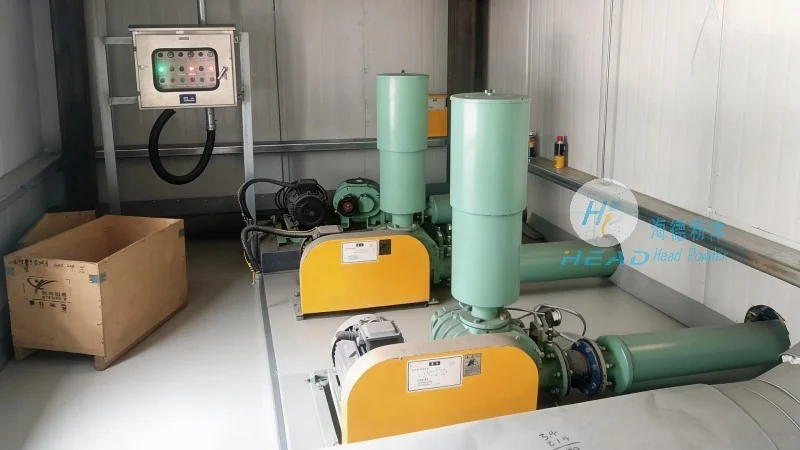
Working Principle of Pneumatic Conveying Systems
The core of a pneumatic conveying system lies in its ability to create a pressure differential between the inlet and outlet of the pipeline. There are two primary types of pneumatic conveying systems: positive pressure and negative pressure. Positive pressure systems generate air pressure at the material inlet, pushing the material through the pipeline. Negative pressure systems, on the other hand, create a vacuum at the outlet, drawing the material from the source. For glass raw materials, positive pressure systems are often preferred as they offer better control over material flow and can handle more abrasive or fine powders without causing excessive wear on the system components.
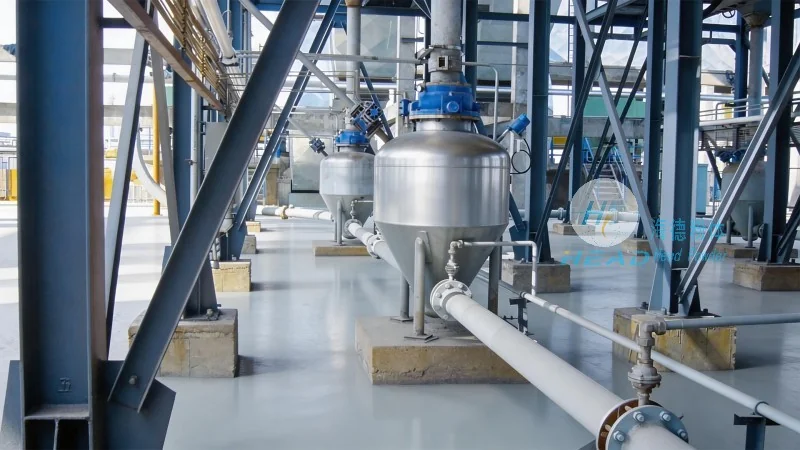
Key Components of a Pneumatic Conveying System
A typical pneumatic conveying system for glass raw materials consists of several key components, each playing a vital role in the overall operation. These include the material hopper or feeder, which stores and feeds the raw materials into the system; the conveying line, which transports the material; the air compressor or vacuum pump, which provides the necessary pressure or vacuum; and the control valves and regulators, which manage the flow and pressure of the conveying medium. Additionally, filters and cyclones are used to separate the material from the air at the end of the pipeline, ensuring that the material is collected efficiently and the air is cleaned before being released.
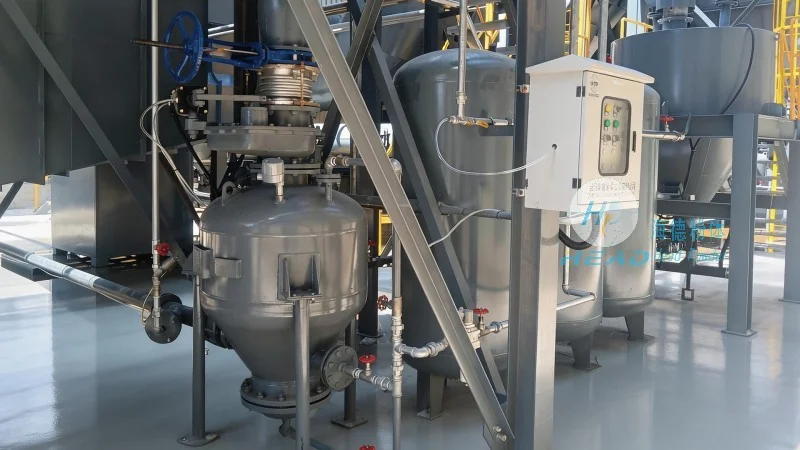
Applications and Benefits in Glass Manufacturing
In the glass manufacturing process, pneumatic conveying systems are used to transport raw materials such as silica sand, soda ash, limestone, and other additives from storage silos to the melting furnaces. The benefits of using pneumatic conveying for these applications include improved material handling efficiency, reduced labor costs, and enhanced safety compared to manual or mechanical handling methods. Furthermore, these systems can be integrated with other production equipment, such as mixers and blenders, to create a seamless material flow process. The ability to handle fine powders without segregation or degradation is particularly important in glass production, as it ensures consistent product quality and reduces waste.
Conclusion
Pneumatic conveying systems represent a sophisticated and efficient solution for transporting glass raw materials. By understanding the working principles and key components of these systems, manufacturers can optimize their production processes, improve material handling efficiency, and enhance overall operational performance. With the expertise of companies like Shandong HeadPowder Engineering Co., Ltd., industries can leverage advanced pneumatic conveying technology to meet the demands of modern glass manufacturing.




