Understanding the operation process and working principle of sodium chloride powder conveying systems is crucial for industries that handle bulk solid materials, such as chemical processing, food production, and pharmaceutical manufacturing. This article provides a detailed overview of how these systems function, emphasizing the technical aspects and operational efficiency that make them effective for transporting sodium chloride powder. The focus will be on the key components, the flow of material, and the mechanisms that ensure reliable and consistent performance.
Key Components of Sodium Chloride Powder Conveying Systems
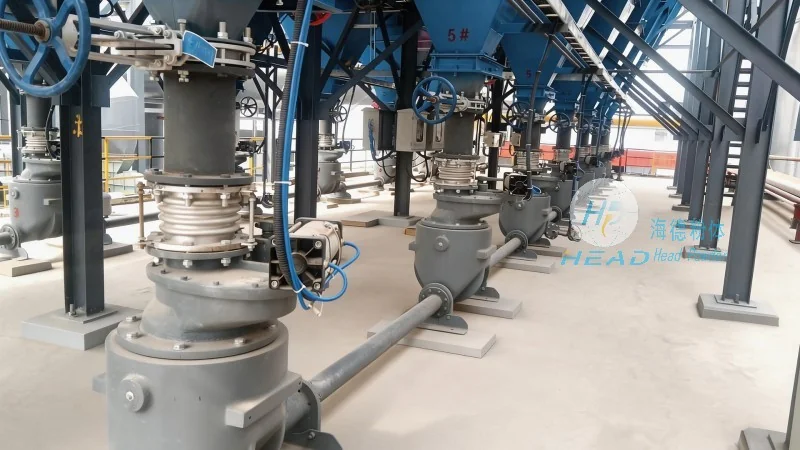
At the core of any sodium chloride powder conveying system are several critical components that work in tandem to move the material from the source to the destination. The primary components include the hopper, feeder, conveyor, and control system. The hopper serves as the storage and feeding chamber, where sodium chloride powder is collected and prepared for transport. The feeder, often a rotary valve or a screw feeder, regulates the flow rate of the powder, ensuring a steady and controlled discharge into the conveyor. The conveyor itself, which can be a pneumatic or mechanical system, is responsible for the actual movement of the powder through the pipeline. Finally, the control system monitors and adjusts the operation of all components, maintaining optimal performance and preventing issues like blockages or overloading.
Working Principle of the Conveying Process
The working principle of sodium chloride powder conveying systems involves a combination of mechanical and pneumatic forces, depending on the specific design of the system. In mechanical systems, such as screw conveyors or belt conveyors, the powder is moved by rotating components that push or pull the material along the conveyor path. The screw conveyor, for example, uses a helical screw to transport the powder, while the belt conveyor relies on a moving belt that carries the material. In pneumatic systems, also known as air conveyors, compressed air is used to create a flow of air that carries the sodium chloride powder through the pipeline. The air flow is generated by a blower or a compressor, and the powder is suspended in the air stream, moving from the inlet to the outlet. The choice between mechanical and pneumatic systems depends on factors such as the material's properties, the distance to be conveyed, and the required flow rate.
Operation Process: From Loading to Delivery
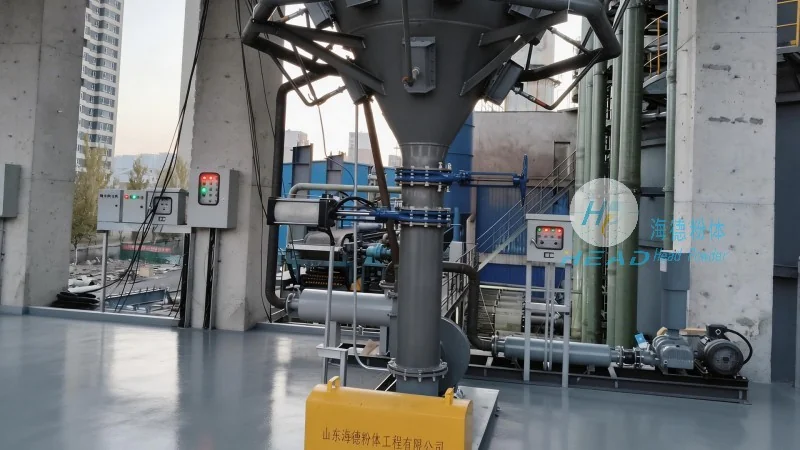
The operation process of a sodium chloride powder conveying system typically begins with the loading of the hopper. The hopper is filled with sodium chloride powder, which is then fed into the conveyor by the feeder. The feeder controls the flow rate, ensuring that the conveyor receives a consistent amount of material. The conveyor then transports the powder through the pipeline to the delivery point, where it is discharged into a storage tank or a processing unit. The control system continuously monitors the pressure, flow rate, and temperature of the system, adjusting the operation of the feeder and the conveyor as needed to maintain optimal performance. If any issues arise, such as a blockage or a change in flow rate, the control system will trigger an alarm or take corrective action to prevent damage to the equipment or loss of material.
Benefits and Applications of Sodium Chloride Powder Conveying Systems
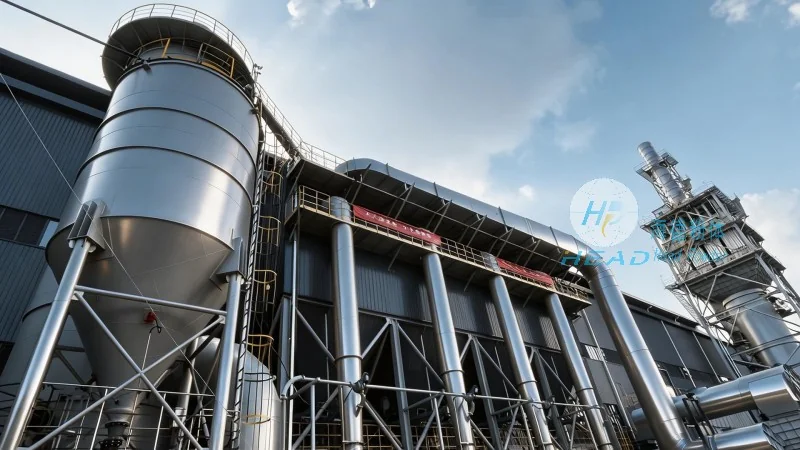
Sodium chloride powder conveying systems offer several benefits that make them ideal for handling bulk solid materials. These systems are designed to handle large volumes of material efficiently, reducing the need for manual handling and improving safety. The mechanical and pneumatic designs allow for flexible operation, enabling the system to be adjusted to meet changing production needs. Additionally, the systems are compact and can be installed in various locations, making them suitable for both new and existing facilities. The applications of these systems are widespread, including in the chemical industry for transporting raw materials, in the food industry for processing salt, and in the pharmaceutical industry for handling sodium chloride as an excipient or active ingredient. The reliability and efficiency of these systems make them a preferred choice for industries that require consistent and high-quality material transport.
Conclusion
In conclusion, sodium chloride powder conveying systems are essential for industries that handle bulk solid materials. The operation process and working principle of these systems involve a combination of key components and mechanisms that work together to ensure reliable and efficient transport of sodium chloride powder. The systems are designed to handle large volumes of material, improve safety, and adapt to changing production needs. With the right design and operation, these systems can provide long-term performance and contribute to the overall efficiency of industrial processes. For companies dealing with sodium chloride powder, understanding the operation process and working principle of these systems is crucial for optimizing their operations and ensuring the quality of their products.




