Industrial alkali pneumatic conveying systems are specialized equipment designed to transport alkaline materials such as caustic soda, sodium hydroxide, or other chemical powders efficiently and safely. These systems are widely used in chemical manufacturing, pharmaceuticals, and food processing industries due to their ability to handle abrasive and corrosive materials while maintaining high transfer efficiency. The core components of such systems typically include a hopper, a conveyor line, a control unit, and a dust collection system, all working in tandem to ensure smooth material movement from the source to the destination.
Key Components and Their Functions
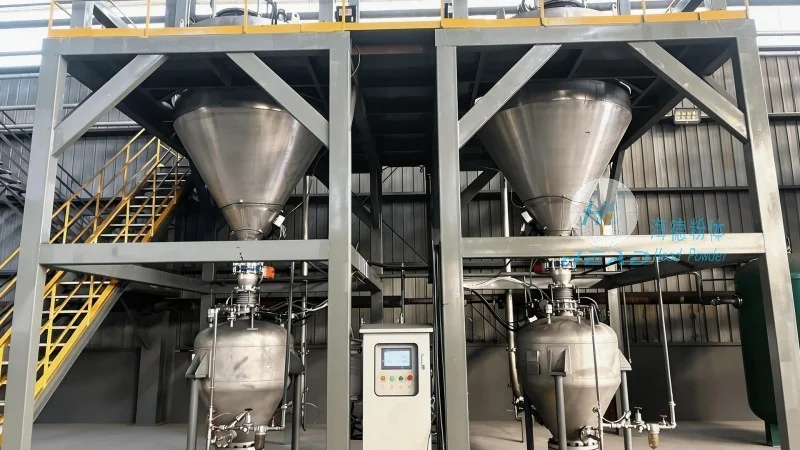
The operation of an industrial alkali pneumatic conveying system relies on several critical components, each playing a vital role in the overall process. The hopper serves as the storage container, holding the bulk alkali material and feeding it into the system. A rotary valve or feeder is often used to regulate the flow of material from the hopper into the conveyor line, ensuring a consistent and controlled discharge rate. The conveyor line, usually made of corrosion-resistant materials like stainless steel or special alloys, carries the material through the system. A positive displacement blower or a high-pressure air compressor generates the necessary airflow to move the material particles. The control unit monitors and adjusts the system parameters, such as air pressure and flow rate, to maintain optimal performance. Finally, a dust collection system, including filters and cyclones, captures any airborne particles, ensuring environmental compliance and operational safety.
Operation Process: Step-by-Step Explanation
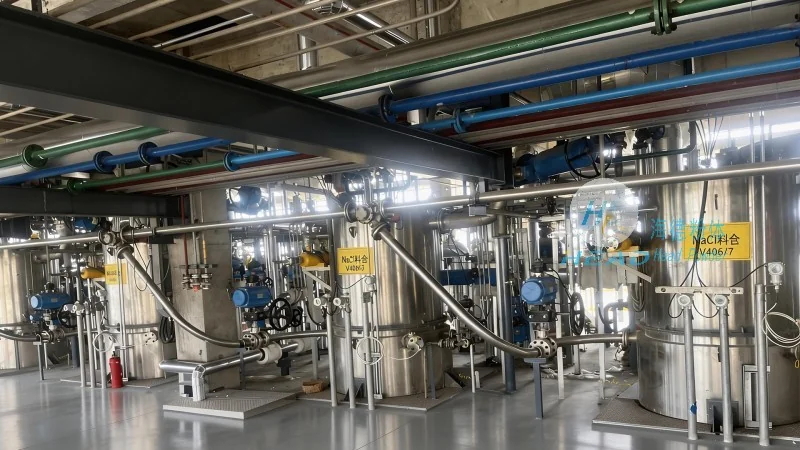
The operation of an industrial alkali pneumatic conveying system follows a systematic process to ensure efficient material transfer. The process begins with the loading of the alkali material into the hopper. The rotary valve then opens to allow a controlled amount of material to enter the conveyor line. Simultaneously, the blower starts and generates high-pressure air, which creates a flow that propels the material particles through the system. As the material travels along the conveyor line, it may encounter bends or changes in direction, which are designed to minimize material degradation and maintain flow consistency. The material is then discharged at the receiving end, typically into a storage tank or processing equipment. Throughout the process, the control unit continuously monitors the system's performance, adjusting air pressure or flow rate as needed to maintain stable operation. The dust collection system operates in parallel, capturing any particles that escape the conveyor line and returning them to the system or disposing of them as required.
Working Principle: The Physics Behind Pneumatic Conveying
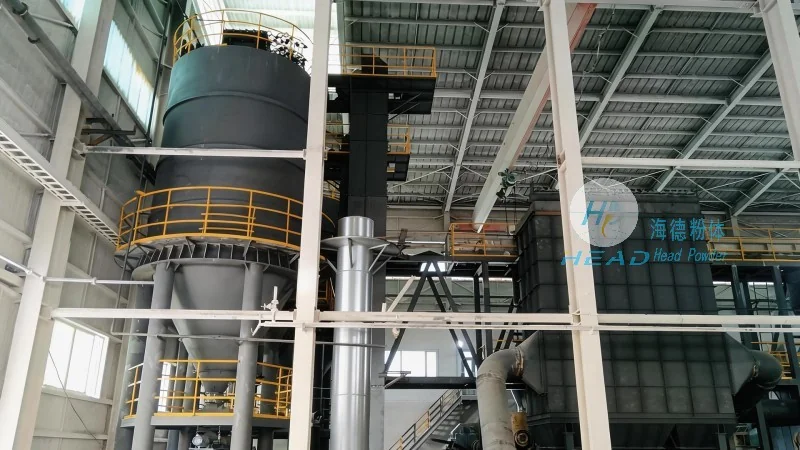
The working principle of an industrial alkali pneumatic conveying system is based on the physics of fluid dynamics and particle transport. The system operates by creating a high-velocity air stream that entrains the alkali particles, allowing them to be carried through the conveyor line. This process is known as pneumatic conveying, which can be categorized into two main types: dilute-phase and dense-phase. Dilute-phase conveying uses low air velocities and high air-to-material ratios, suitable for short-distance and low-concentration applications. Dense-phase conveying, on the other hand, uses higher air velocities and lower air-to-material ratios, ideal for longer distances and higher material concentrations. The key to efficient conveying is maintaining a balance between the air velocity and the particle size, ensuring that the particles are fully suspended in the air stream without settling or clogging the system. The system's design, including the hopper geometry, valve type, and blower capacity, is critical to achieving this balance and ensuring reliable operation.
Advantages and Applications in Industrial Settings
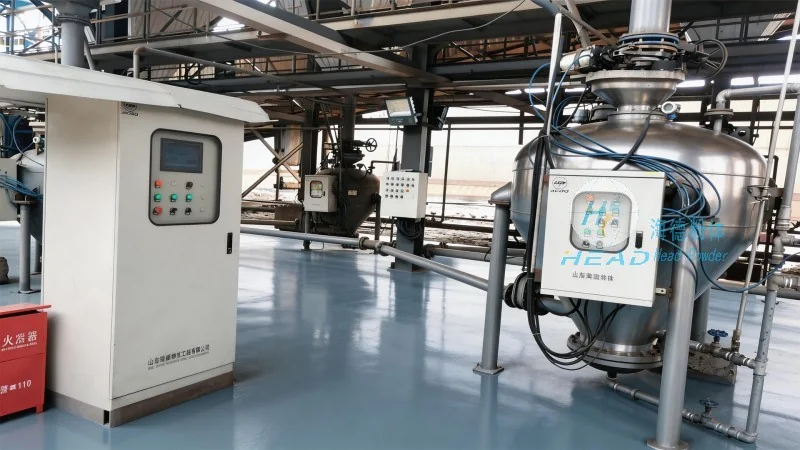
Industrial alkali pneumatic conveying systems offer several advantages over traditional mechanical conveying methods. These systems are highly efficient, capable of transferring large volumes of material over long distances with minimal energy consumption. They are also flexible, as the system can be easily reconfigured to handle different material types or transfer routes. Additionally, pneumatic conveying systems are less prone to material degradation, as the material is not subjected to mechanical stress or friction during transport. This makes them suitable for handling sensitive or abrasive alkali materials that could be damaged by traditional conveying methods. The applications of these systems are diverse, ranging from the transportation of caustic soda in chemical plants to the delivery of sodium hydroxide in pharmaceutical manufacturing. In food processing, they are used to convey alkaline powders for processing or packaging, ensuring hygiene and efficiency. The systems are also valued for their ability to handle materials that are difficult to transport by other means, such as powders with high moisture content or those that tend to clump together.




