For industrial applications involving the transport of soda ash, understanding the technology behind efficient powder handling is crucial. This article delves into the specifics of soda ash pneumatic conveying equipment, exploring its structural design and operational principles to provide a comprehensive overview for professionals in the field.
Understanding Soda Ash Pneumatic Conveying Systems
Soda ash, or sodium carbonate, is a widely used chemical in various industries including glass manufacturing, chemical production, and water treatment. The efficient and safe transport of this fine powder is essential to maintain production efficiency and product quality. Pneumatic conveying systems offer a reliable solution for moving soda ash from storage to processing units, or between different stages of production.
The Core Components of Pneumatic Conveying Equipment
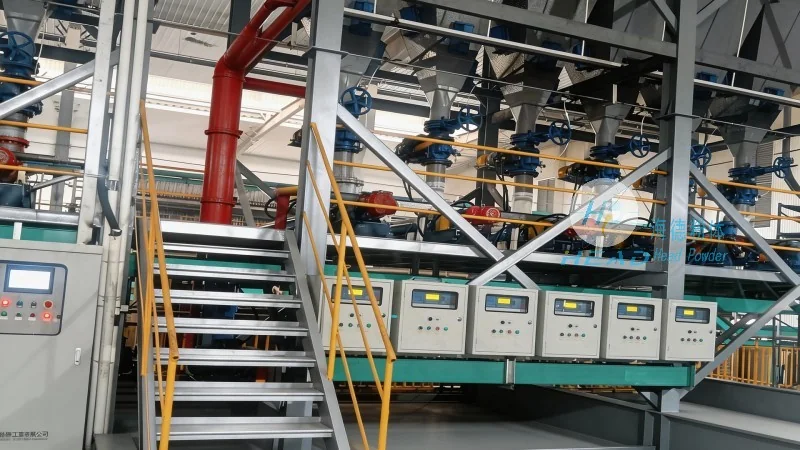
The soda ash pneumatic conveying system typically consists of several key components that work in concert to achieve effective powder transport. These components include the material hopper, the air supply system, the conveying line, and the discharge unit. Each component plays a vital role in the overall operation of the system.
Firstly, the material hopper serves as the storage and feeding device for the soda ash. It is designed to hold a sufficient quantity of the material and provide a controlled feed rate to the conveying line. The hopper is equipped with a feeding mechanism, such as a rotary valve or a screw feeder, which regulates the flow of soda ash into the system. This ensures a consistent and steady supply of material for the conveying process.
Secondly, the air supply system is responsible for generating the necessary pressure and flow of air to move the soda ash particles. This system includes a blower or a compressor that produces the required air volume and pressure. The air is then directed into the conveying line through a series of pipes or hoses. The choice of air supply equipment depends on the specific requirements of the application, such as the distance to be covered and the material characteristics.
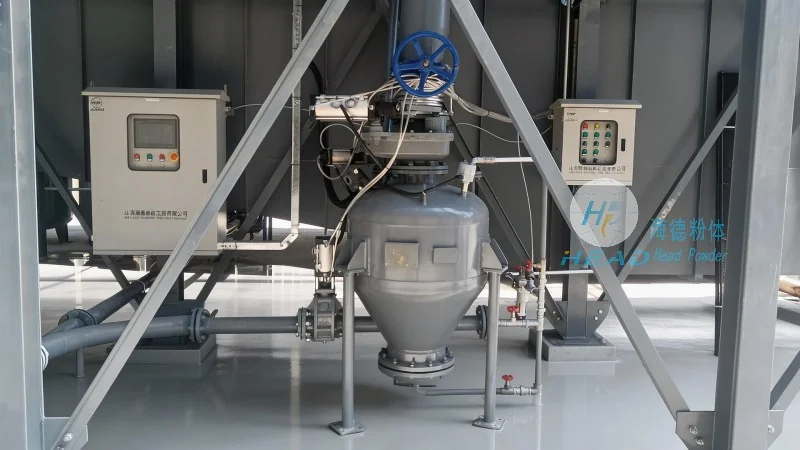
Thirdly, the conveying line is the main pathway through which the soda ash is transported. It is typically made of metal or plastic, depending on the corrosive properties of the material and the operating conditions. The line is designed to withstand the pressure and temperature of the conveying process while ensuring minimal particle loss and contamination. The line may include bends, elbows, or other fittings to direct the flow of material to the desired destination.
Finally, the discharge unit is responsible for releasing the soda ash from the conveying line at the receiving point. This unit may include a rotary valve, a gate valve, or a hopper that collects the material. The discharge unit is designed to prevent backflow and ensure a smooth transfer of the material to the next processing stage. It may also include a dust collection system to capture any fine particles that escape during the discharge process.
Working Principle of Pneumatic Conveying for Soda Ash
The operation of a soda ash pneumatic conveying system is based on the principle of fluidization and suspension of the powder particles in a moving air stream. When air is introduced into the conveying line at a sufficient velocity, it creates a low-pressure zone that draws the soda ash particles into the air stream. The particles are then carried along the line by the moving air, forming a suspension that travels to the discharge point.
There are two main types of pneumatic conveying systems used for soda ash: pressure and vacuum systems. In a pressure system, the air is supplied under pressure from a blower at the discharge end, pushing the material forward through the line. In a vacuum system, the air is drawn from the receiving end using a vacuum pump, creating a suction that pulls the material from the hopper. The choice between these systems depends on factors such as the distance of transport, the material's flowability, and the need for a closed system to prevent dust emissions.
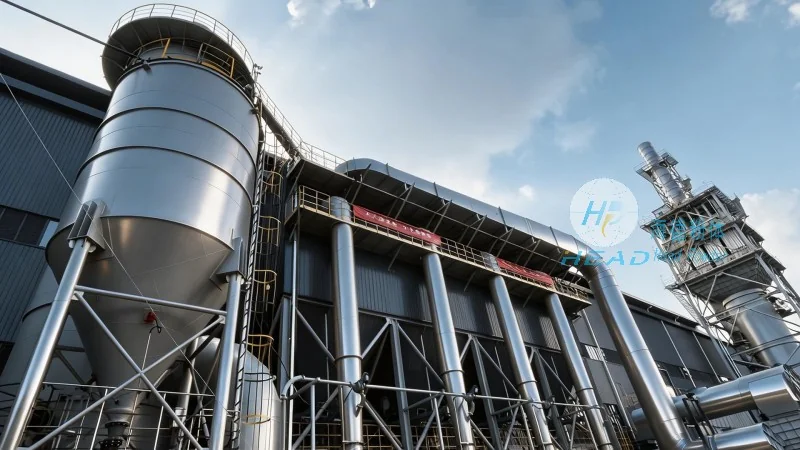
The velocity of the air in the conveying line is a critical parameter that affects the efficiency and performance of the system. If the air velocity is too low, the soda ash particles may settle and cause blockages in the line. Conversely, if the velocity is too high, it can lead to excessive wear on the equipment and increased energy consumption. Proper design and maintenance of the system are essential to maintain the optimal air velocity for the specific application.
Advantages of Using Pneumatic Conveying for Soda Ash Transport
Implementing a pneumatic conveying system for soda ash transport offers several advantages over traditional methods such as belt conveyors or bucket elevators. One of the primary benefits is the ability to handle fine and dusty materials without the risk of contamination or product degradation. The enclosed system prevents dust from escaping into the environment, ensuring compliance with environmental regulations and maintaining a safe working environment for personnel.
Another advantage is the flexibility and scalability of the system. Pneumatic conveying systems can be easily modified or expanded to accommodate changes in production volume or process requirements. The equipment can be integrated with existing production lines or used as a standalone system, providing versatility in industrial applications.
Furthermore, pneumatic conveying systems offer improved product quality and consistency. By minimizing contact with air and reducing the risk of moisture absorption, the system helps maintain the purity and quality of the soda ash. This is particularly important in applications where the material is used in sensitive processes, such as pharmaceuticals or food production.
Energy efficiency is also a key consideration in the design of pneumatic conveying systems. Modern systems are equipped with energy-saving features such as variable frequency drives (VFDs) that adjust the air flow and pressure based on the actual demand. This reduces energy consumption and operating costs, making the system more cost-effective in the long run.
Applications of Soda Ash Pneumatic Conveying Equipment
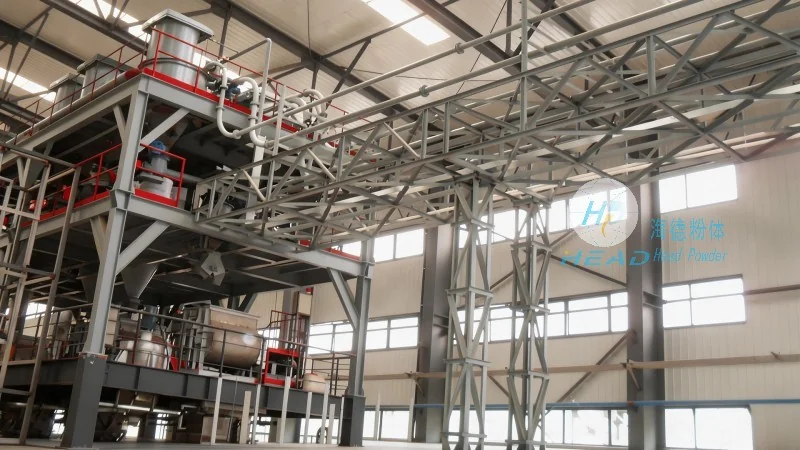
Soda ash pneumatic conveying equipment is widely used in various industrial sectors due to its versatility and efficiency. In the glass industry, for example, soda ash is a key raw material used in the production of glass containers and architectural glass. The pneumatic conveying system ensures that the soda ash is delivered to the glass melting furnaces in a controlled and consistent manner, which is critical for maintaining the quality of the final product.
In the chemical industry, soda ash is used as a raw material in the production of other chemicals such as sodium bicarbonate and sodium silicate. The conveying system facilitates the transport of soda ash from storage to the reaction vessels, ensuring a smooth and continuous production process. This helps in reducing downtime and improving overall productivity in chemical plants.
Water treatment facilities also utilize soda ash as a coagulant to remove impurities from water. The pneumatic conveying system is used to transport the soda ash from storage to the treatment tanks, where it is added to the water to facilitate the removal of suspended solids and other contaminants. This improves the efficiency of the water treatment process and ensures the production of clean and safe drinking water.
Conclusion
Soda ash pneumatic conveying equipment is a sophisticated and efficient solution for the transport of fine powder materials in industrial applications. By understanding the structural components and operational principles of these systems, manufacturers can optimize their processes and improve overall productivity. The use of pneumatic conveying systems not only enhances operational efficiency but also ensures product quality and environmental compliance. As industries continue to seek more reliable and sustainable solutions for material handling, the role of pneumatic conveying systems in soda ash transport will remain crucial.




