Understanding the operation process and working principle of catalyst pneumatic conveying system equipment is crucial for optimizing industrial processes in various sectors, particularly in chemical and petrochemical industries. This equipment is designed to efficiently transport catalyst particles, ensuring precise and controlled movement from storage to processing units. The following sections delve into the detailed operation process and the underlying working principles of such systems, highlighting the technological advancements and practical applications.
Overview of Catalyst Pneumatic Conveying Systems
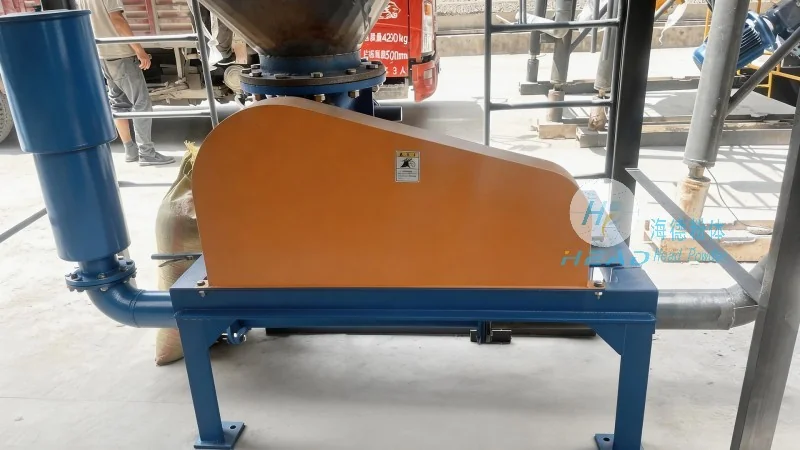
Catalyst pneumatic conveying systems are sophisticated industrial devices that utilize air or other gases to transport solid particles, such as catalysts, through a pipeline network. These systems are widely employed in chemical plants, refineries, and other industrial facilities due to their ability to handle abrasive and sensitive materials with minimal wear and contamination. The core components of a typical catalyst pneumatic conveying system include a hopper for material storage, a feeder to control the flow rate, a conveying line, and a receiver for the final destination. Each component plays a vital role in ensuring the smooth and efficient operation of the system.
Key Components and Their Functions
The effectiveness of a catalyst pneumatic conveying system relies on the proper functioning of several key components. The hopper, often equipped with a level indicator and a discharge valve, serves as the primary storage vessel for the catalyst. It is designed to maintain a consistent material level, preventing overfilling or underfilling that could disrupt the conveying process. The feeder, which can be a rotary valve, screw feeder, or vibratory feeder, regulates the flow of catalyst from the hopper into the conveying line. This component is critical for controlling the material feed rate, ensuring a steady and controlled flow that matches the system's capacity. The conveying line, typically made of stainless steel or other corrosion-resistant materials, is the main pathway for transporting the catalyst particles. It is equipped with pressure sensors and flow meters to monitor the system's performance and detect any anomalies. The receiver, located at the destination point, collects the conveyed catalyst and may include a silo or storage tank for further processing. Additionally, the system may include a filter or dust collector to capture any airborne particles and maintain environmental compliance.
Operation Process of the Catalyst Pneumatic Conveying System
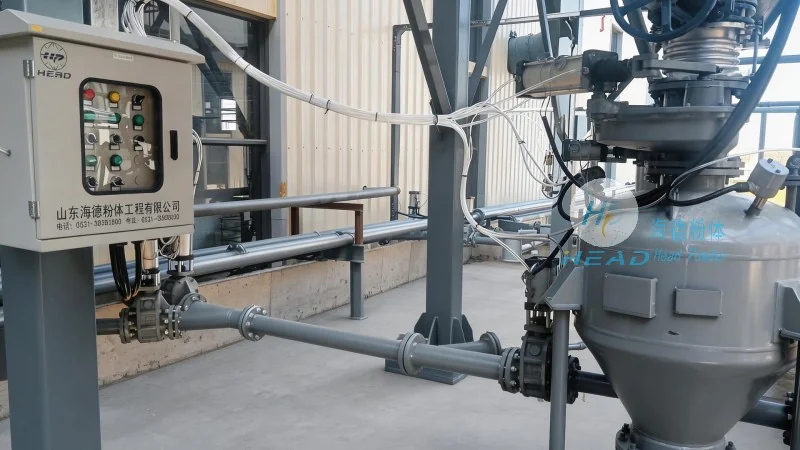
The operation process of a catalyst pneumatic conveying system involves several sequential steps that ensure the efficient and safe transport of catalyst particles. The process begins with the loading of the catalyst into the hopper. The hopper is filled to a predetermined level, and the discharge valve is opened to allow the material to flow into the feeder. The feeder then regulates the flow rate, controlling the amount of catalyst entering the conveying line. Simultaneously, the conveying line is pressurized with air or gas, creating a flow that propels the catalyst particles through the pipeline. The pressure differential between the hopper and the receiver drives the material movement, ensuring a continuous and unidirectional flow. As the catalyst travels through the conveying line, it is suspended in the air stream, preventing blockages and ensuring uniform distribution. Upon reaching the receiver, the catalyst is deposited into the storage vessel, completing the conveying process. The system may also include a venting or pressure relief mechanism to maintain safe operating conditions and prevent overpressure.
Working Principle of the Pneumatic Conveying Mechanism
The working principle of a catalyst pneumatic conveying system is based on the fundamental concept of fluidization and particle suspension. When air or gas is introduced into the conveying line at a sufficient velocity, it creates a fluidized bed within the pipeline, lifting the catalyst particles and transporting them along the line. The velocity of the air stream must be maintained above the minimum fluidization velocity (Umf) of the catalyst particles to ensure proper suspension and prevent particle settling or blockage. The system operates under positive pressure, where the pressure in the conveying line is higher than the ambient pressure, facilitating the movement of material from the hopper to the receiver. The pressure drop along the conveying line is a critical parameter, as it indicates the resistance to flow and helps in identifying any potential issues such as clogging or wear in the pipeline. The system may also utilize a combination of positive and negative pressure (vacuum) in certain configurations, allowing for flexible conveying over longer distances or between different elevation levels. The working principle is designed to minimize energy consumption while maximizing the conveying efficiency, making it an economical and reliable solution for catalyst transport.
Applications and Benefits in Industrial Settings
Catalyst pneumatic conveying systems find extensive applications in various industrial sectors, particularly in the chemical and petrochemical industries. These systems are used to transport catalysts for processes such as cracking, reforming, and hydrogenation, where precise control over catalyst distribution is essential. The benefits of using pneumatic conveying systems for catalyst transport include improved process efficiency, reduced material handling time, and enhanced safety. By eliminating the need for manual handling and mechanical conveyors, the system minimizes the risk of contamination and human error. Additionally, the use of corrosion-resistant materials in the construction of the conveying line ensures long-term durability and reliability, even when handling abrasive or corrosive catalysts. The system's ability to handle large volumes of material at high speeds makes it suitable for high-throughput industrial operations, contributing to increased productivity and reduced operational costs. Furthermore, the flexibility of pneumatic conveying systems allows for easy integration with existing industrial infrastructure, enabling seamless adaptation to changing production requirements.
Maintenance and Operational Considerations
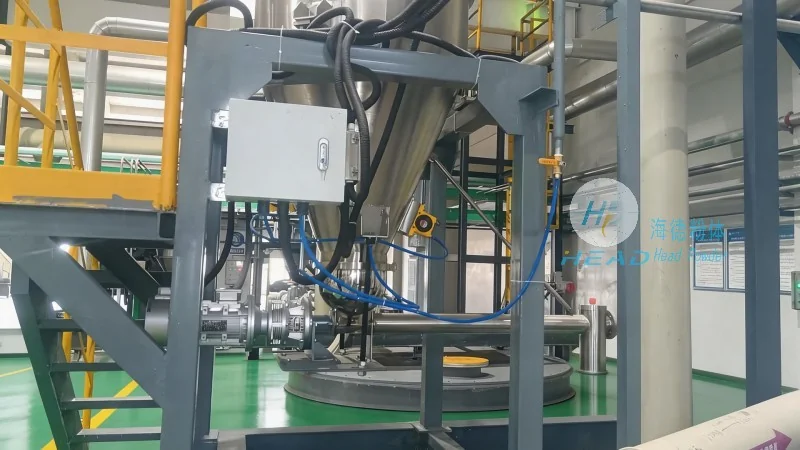
Proper maintenance and operational considerations are essential for ensuring the longevity and optimal performance of catalyst pneumatic conveying systems. Regular inspection and maintenance of the system components, such as the hopper, feeder, and conveying line, are crucial to prevent wear and tear and avoid system failures. The hopper and feeder should be checked for material buildup or blockages, which can impede the flow and cause pressure fluctuations. The conveying line should be inspected for signs of corrosion, wear, or damage, and any necessary repairs or replacements should be carried out promptly. The pressure sensors and flow meters should be calibrated regularly to ensure accurate monitoring of the system's performance. Additionally, the filter or dust collector should be maintained to prevent clogging and ensure proper air filtration. Operational considerations include monitoring the system's pressure and flow rates, adjusting the feed rate as needed to maintain stable operation, and implementing safety protocols to prevent accidents during system operation. Proper training of operators on the system's operation and maintenance is also essential for ensuring safe and efficient operation. By adhering to these maintenance and operational guidelines, industrial facilities can maximize the lifespan of their catalyst pneumatic conveying systems and minimize downtime, thereby enhancing overall productivity and cost-effectiveness.
Conclusion
In conclusion, catalyst pneumatic conveying system equipment plays a vital role in the efficient and safe transport of catalyst particles in industrial processes. The operation process and working principle of such systems are based on sophisticated engineering principles, utilizing air or gas to fluidize and suspend catalyst particles, thereby enabling their transport through pipelines. The key components, including the hopper, feeder, conveying line, and receiver, work in harmony to ensure the smooth and controlled movement of material. The benefits of using pneumatic conveying systems, including improved efficiency, reduced contamination, and enhanced safety, make them an indispensable part of modern industrial operations. With proper maintenance and operational considerations, these systems can provide reliable and economical solutions for catalyst transport, contributing to the overall success of industrial processes. As industrial demands continue to evolve, the development of advanced catalyst pneumatic conveying systems will remain critical in meeting the needs of various sectors, ensuring sustainable and efficient material handling practices.




