Organic fertilizer pneumatic conveying machines are critical equipment in the agricultural and fertilizer processing sectors, engineered to efficiently transport bulk organic materials such as compost, manure, and other organic fertilizers. These machines leverage pneumatic technology to move materials through a pipeline system without mechanical components like belts or chains, offering advantages in hygiene, speed, and flexibility. This article provides a detailed exploration of the operation process and working principle of these machines, offering a comprehensive understanding of their functionality and benefits.
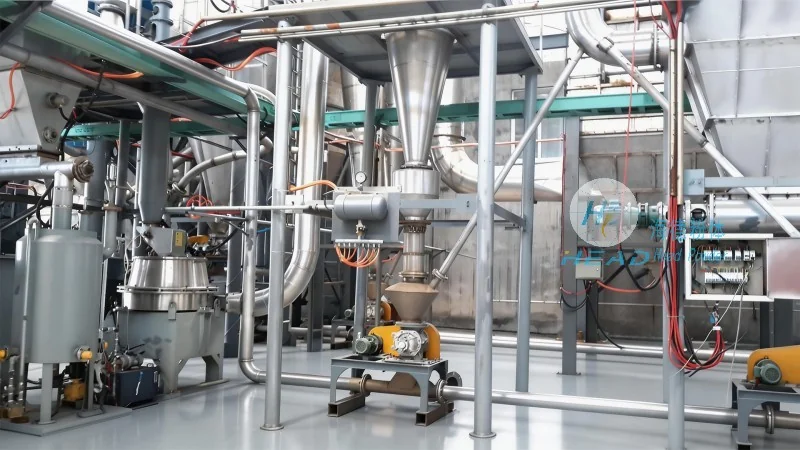
Overview of Organic Fertilizer Pneumatic Conveying Machines
Organic fertilizer pneumatic conveying machines, also known as pneumatic conveyors, are systems that utilize compressed air or gas to transport solid materials. The core components typically include a hopper for material storage, a blower or air compressor to generate airflow, a pipeline network for material guidance, and a discharge outlet for material release. These systems are designed to handle various organic fertilizers, ensuring material integrity and preventing degradation or contamination. Features like adjustable air pressure, variable speed controls, and material separation devices are integrated to optimize performance and maintain product quality.
Working Principle of the Pneumatic Conveying System
The fundamental working principle of an organic fertilizer pneumatic conveying machine revolves around the movement of air and material particles within a closed pipeline. When activated, the blower generates high-pressure airflow that enters the hopper containing the organic fertilizer. The air pressure lifts and carries the material as a suspension of particles and air along the pipeline. The material is then transported to the discharge point, where air and material are separated. The separated air is recycled back to the blower, while the material is collected in a storage or processing unit. This process enables efficient, continuous transport of organic fertilizers over short to medium distances with minimal human intervention.
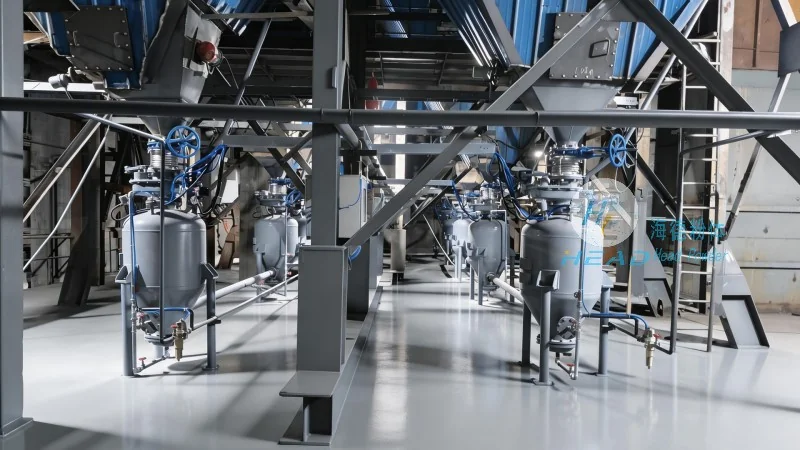
Step-by-Step Operation Process
The operation of an organic fertilizer pneumatic conveying machine involves systematic steps to ensure smooth material transport. The first step is loading organic fertilizer into the hopper, which is designed to hold sufficient material for consistent flow. Once filled, the blower is activated, and air pressure is adjusted based on material characteristics and pipeline length. The second step initiates conveying, where compressed air pushes material through the pipeline as a dense or dilute phase. The third step involves transporting material through the pipeline network, which may include bends, valves, and other components to direct flow to the destination. The fourth step is material discharge at the receiving end, where a cyclone or separation device separates air and material. The separated material is collected, and air is recirculated to the blower for energy efficiency. Finally, the system is shut down and cleaned for the next cycle.
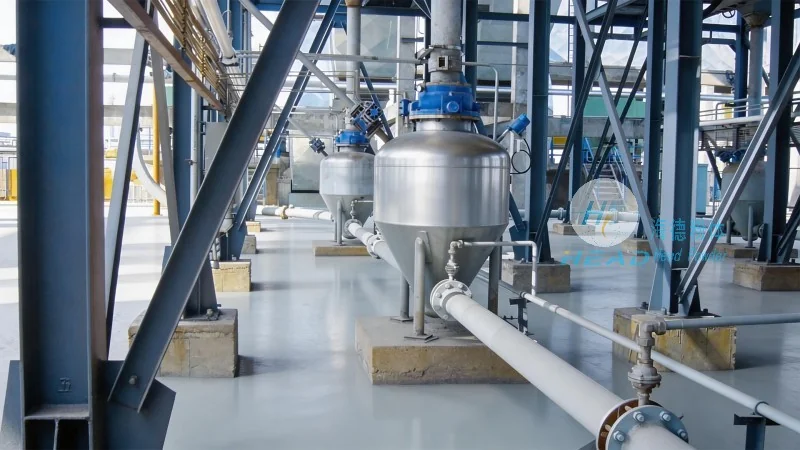
Key Features and Benefits
Organic fertilizer pneumatic conveying machines offer several advantages over traditional mechanical systems. A primary benefit is maintaining hygiene and preventing contamination, as materials are transported in a closed system without environmental contact—critical for moisture-sensitive organic fertilizers. Another benefit is high-speed, efficient material transport, moving large quantities quickly. The systems also provide layout flexibility, with easily modifiable pipeline networks to adapt to production changes. Additionally, they have fewer moving parts than mechanical conveyors, reducing maintenance needs and enhancing reliability.
Company Information: Shandong HeadPowder Engineering Co., Ltd.
HeadPowder, a leading manufacturer of organic fertilizer processing equipment, specializes in designing, manufacturing, and supplying high-quality pneumatic conveying machines for the agricultural industry. With extensive experience, the company has developed advanced technologies and innovative solutions tailored to diverse fertilizer production needs. HeadPowder’s products are recognized for durability, efficiency, and reliability, ensuring customer satisfaction. The company provides excellent customer service and technical support to help clients optimize production processes and improve operational efficiency. HeadPowder’s headquarters is located in Shandong, China, where a team of skilled engineers and technicians focuses on research and development. HeadPowder’s products are widely used in fertilizer processing plants, contributing to the efficient and sustainable production of organic fertilizers.




