Shandong HeadPowder Engineering Co., Ltd., a leading manufacturer based in Shandong, China, specializes in the design, development, and supply of advanced pneumatic conveying equipment for industrial applications. Among their product line is the sintered dust pneumatic conveying machine, a critical solution for efficient material handling in various industrial sectors. This article provides a detailed overview of the operation process and working principle of this equipment, highlighting its key features and benefits.
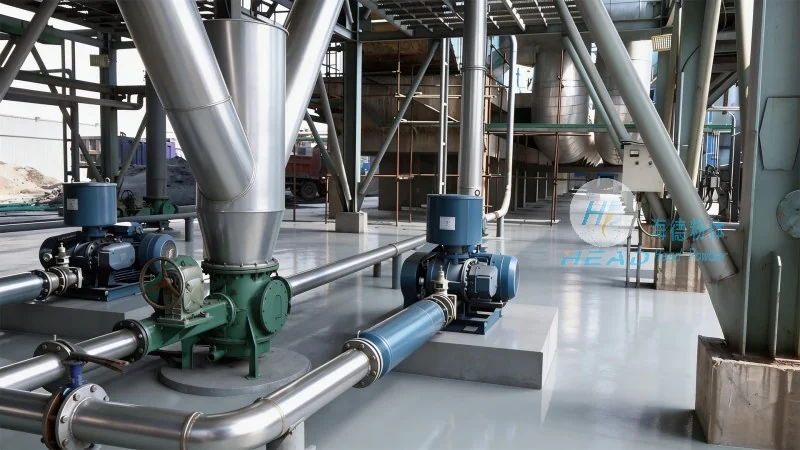
Understanding the Sintered Dust Pneumatic Conveying Machine
The sintered dust pneumatic conveying machine is engineered to handle fine particulate materials, such as sintered dust, with precision and reliability. It operates on the principle of pneumatic conveying, where materials are transported through a pipeline using air or gas as the conveying medium. This method offers several advantages over traditional mechanical conveying systems, including reduced equipment wear, lower maintenance costs, and improved safety in handling dusty materials.
Key Components and Structure
The sintered dust pneumatic conveying machine consists of several essential components that work in tandem to ensure efficient operation. These include the hopper, which serves as the material storage and feeding unit; the air compressor or blower, which generates the necessary air pressure to move the material; the conveying pipeline, which transports the material from the hopper to the discharge point; and the control system, which regulates the flow of material and air. Each component is designed to withstand the demands of handling sintered dust, ensuring durability and long-term performance.
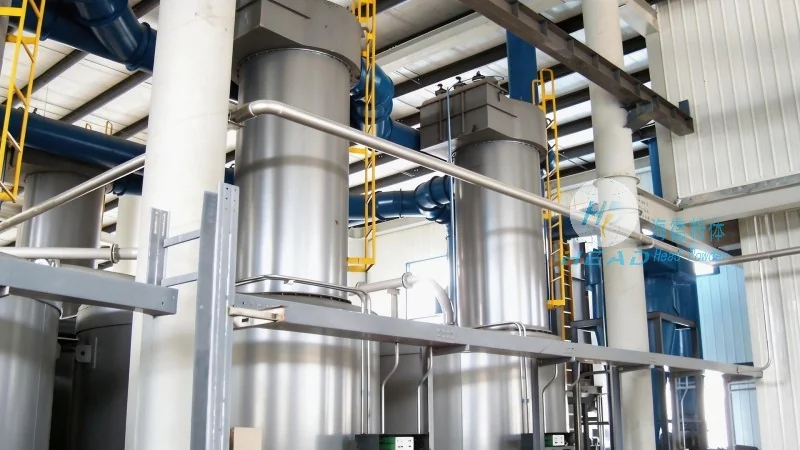
The Operation Process of the Sintered Dust Pneumatic Conveying Machine
The operation process of the sintered dust pneumatic conveying machine involves several sequential steps. First, the sintered dust is fed into the hopper from the source material. The control system then activates the air compressor, which generates a flow of air into the conveying pipeline. As the air flows through the pipeline, it picks up the dust particles from the hopper and transports them to the discharge point. The material is then discharged into the receiving container or processing unit. The system continuously monitors the flow rate and pressure to maintain optimal performance and prevent blockages or other issues.
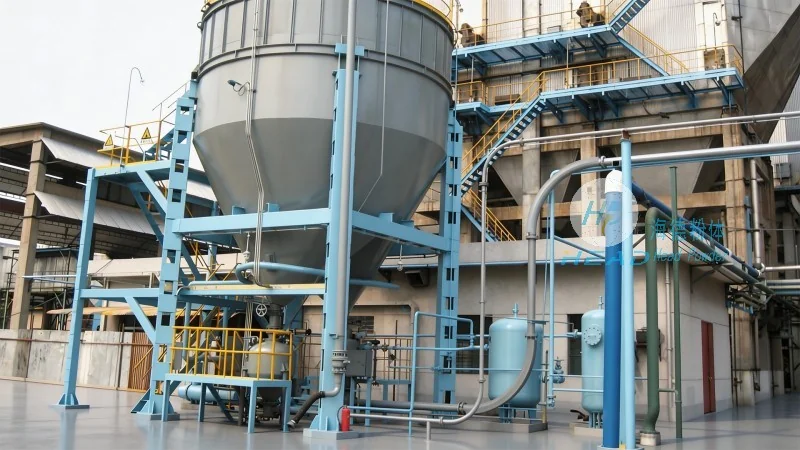
Working Principle: How It Works
The working principle of the sintered dust pneumatic conveying machine is based on the fundamental concept of fluidization and pneumatic transport. When air is introduced into the conveying pipeline at a sufficient velocity, it creates a low-pressure zone that draws the dust particles into the flow. The air velocity is carefully controlled to ensure that the particles are carried along without being deposited or causing blockages. The machine uses positive pressure or negative pressure systems, depending on the application requirements. Positive pressure systems are commonly used for long-distance or high-capacity conveying, while negative pressure systems are suitable for short-distance or low-volume applications.
Advantages and Applications
The sintered dust pneumatic conveying machine offers numerous advantages over other material handling methods. It provides a dust-free and clean operation environment, which is crucial in industries where dust contamination can affect product quality or worker health. The system is also highly flexible, allowing for easy integration with existing production lines and adjustments to meet varying material flow rates. It is widely used in industries such as steel production, mining, and chemical processing, where sintered dust is a byproduct that needs to be transported efficiently.




