Understanding the operation process and working principle of rice husk ash powder conveying is crucial for optimizing material handling in industrial applications. This article provides a detailed overview of the key components, mechanisms, and operational steps involved in efficiently transporting rice husk ash powder, a byproduct commonly used in various industrial processes.
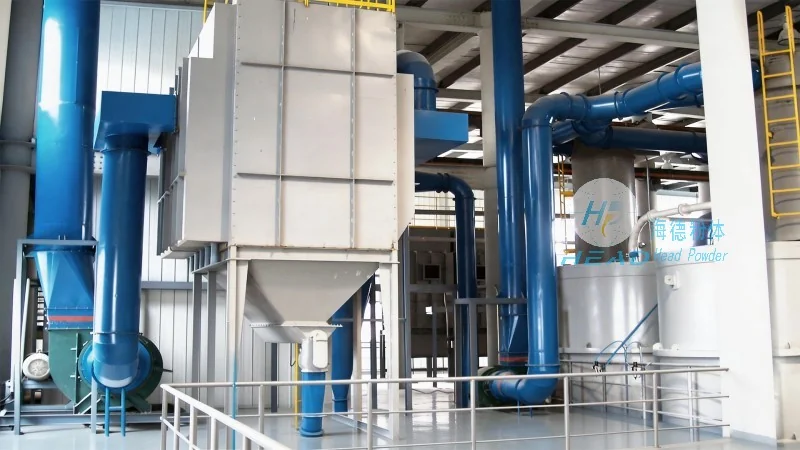
Introduction to Rice Husk Ash Powder Conveying
Rice husk ash, derived from the combustion of rice husks, is a valuable industrial material with applications in construction, agriculture, and environmental remediation. Efficient powder conveying systems are essential to ensure consistent material flow, minimize dust emissions, and maintain operational safety. The process involves several stages, from material preparation to final delivery, each requiring precise control and specialized equipment.
Key Components of the Conveying System
The rice husk ash powder conveying system typically consists of several critical components that work in tandem to achieve reliable material transport. These include a hopper for material storage, a feeder to regulate the flow rate, a conveyor mechanism (such as a screw or pneumatic system), and a control unit to monitor and adjust the process. Each component plays a vital role in maintaining the integrity of the powder and ensuring smooth operation.
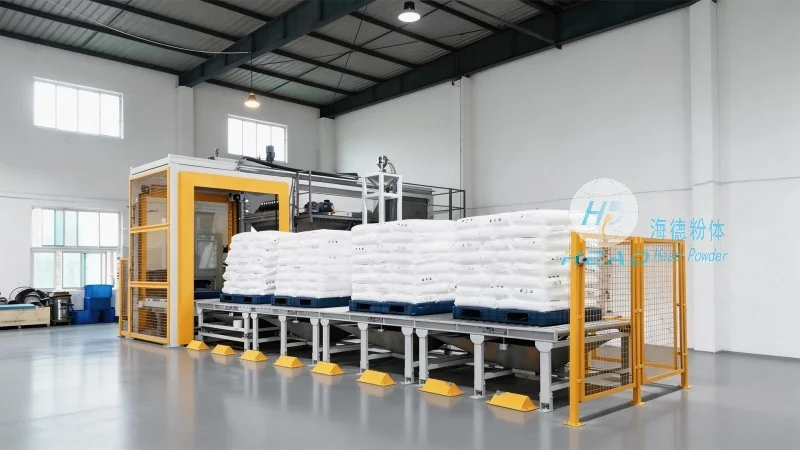
Working Principle of the Conveying Process
The operation of the rice husk ash powder conveying system is based on the principles of mechanical or pneumatic transport. In mechanical systems, a screw conveyor or belt conveyor uses rotational motion to move the powder from the hopper to the destination. The screw conveyor, for instance, features a helical screw inside a tube, which pushes the material forward as it rotates. This method is effective for dry, free-flowing powders like rice husk ash and offers advantages such as low maintenance and energy efficiency.
In pneumatic conveying systems, the powder is transported using air pressure. The material is drawn into a pipeline by a vacuum or pressure source, and the air carries the powder through the system. This method is particularly suitable for fine powders that are prone to dusting or require dust-free handling. The system includes a blower, a filter to capture any escaped particles, and a receiver to collect the material at the end of the line.
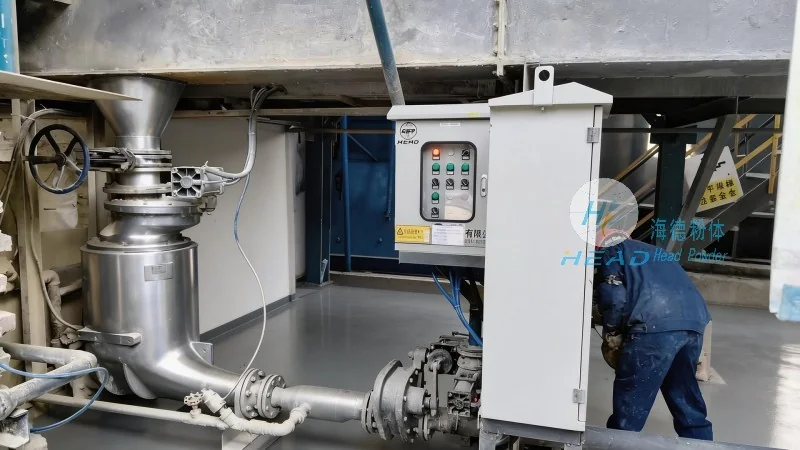
Operation Process: Step-by-Step Overview
The operation process of the rice husk ash powder conveying system can be broken down into several sequential steps. First, the rice husk ash is stored in a hopper, which is designed to accommodate bulk material and maintain a consistent feed. The feeder then regulates the flow rate, ensuring that the material is released at a controlled pace to prevent overloading the conveyor. Next, the conveyor mechanism transports the powder to the desired location, such as a storage silo or processing unit. Finally, the material is discharged from the system, completing the conveying cycle.
Control and Monitoring Systems
Modern rice husk ash powder conveying systems incorporate advanced control and monitoring technologies to enhance operational efficiency and safety. Sensors are used to detect the level of material in the hopper and the flow rate through the conveyor, providing real-time data to the control unit. This allows for automatic adjustments to maintain optimal performance. Additionally, dust suppression systems are integrated to minimize emissions and protect the environment. The control unit may also include alarms and safety interlocks to prevent accidents and ensure compliance with regulatory standards.
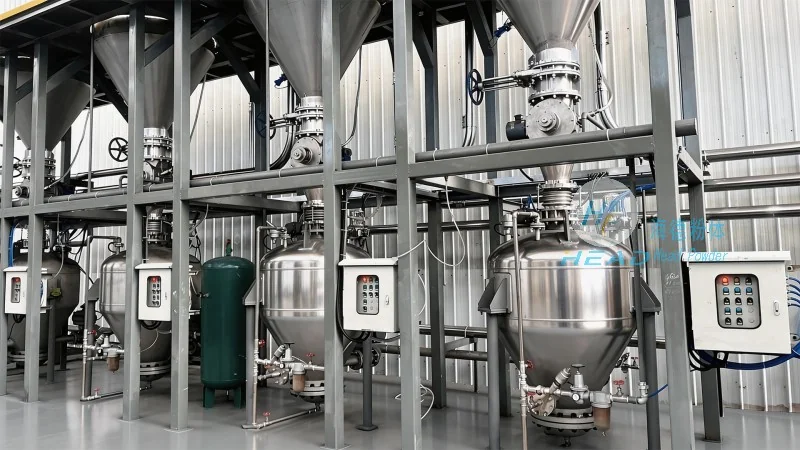
Applications and Benefits of Efficient Conveying
Efficient rice husk ash powder conveying is essential for various industrial applications, including the production of building materials, the manufacturing of agricultural fertilizers, and the treatment of wastewater. The benefits of a well-designed conveying system include reduced labor costs, improved material handling accuracy, and enhanced safety. By minimizing dust and ensuring consistent material flow, the system contributes to higher product quality and operational reliability.
Conclusion
In conclusion, the operation process and working principle of rice husk ash powder conveying involve a combination of mechanical and pneumatic components, precise control systems, and careful material handling techniques. The system is designed to efficiently transport rice husk ash while maintaining the material's integrity and ensuring operational safety. With proper maintenance and monitoring, such systems can provide reliable performance for years, supporting the needs of various industrial sectors.




