Automatic material handling systems are integral to modern industrial operations, streamlining the movement of goods from one stage of production to another. The process of automatic loading, conveying, and unloading is designed to enhance efficiency, reduce labor costs, and improve overall productivity in manufacturing environments. This article explores the operation process and working principles of such systems, highlighting the key components and mechanisms that enable seamless material transfer.
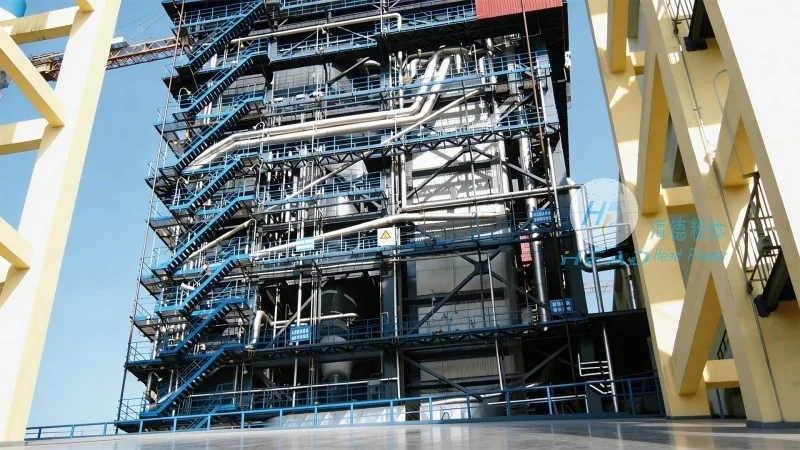
Introduction to Automatic Material Loading and Unloading Conveying
HeadPowder, a leading provider of engineering solutions, specializes in the design and implementation of automated material handling systems. With operations based in Shandong, China, the company leverages advanced technology to meet the diverse needs of industries ranging from pharmaceuticals to food processing. The systems developed by HeadPowder are tailored to ensure reliability, precision, and adaptability in various production settings.
The Operation Process of Automatic Material Loading and Unloading
The operation process of an automatic material loading and unloading system typically involves several sequential steps. Initially, the system receives materials from a storage or production area. This is often facilitated by an automated loading mechanism, such as a robotic arm or a conveyor belt that moves raw materials into the processing zone. Once loaded, the materials are transported through the system via a series of conveyors, which may include belt conveyors, roller conveyors, or chain conveyors, depending on the material characteristics and the required speed.
During the conveying phase, the system may incorporate sorting mechanisms to direct materials to different processing lines or storage locations. Sensors and control systems monitor the movement of materials, ensuring that each item is routed correctly and at the appropriate speed. The unloading stage involves the transfer of processed materials to a designated output area, where they are either packaged, stored, or prepared for further distribution. This entire process is automated, minimizing human intervention and reducing the risk of errors or delays.
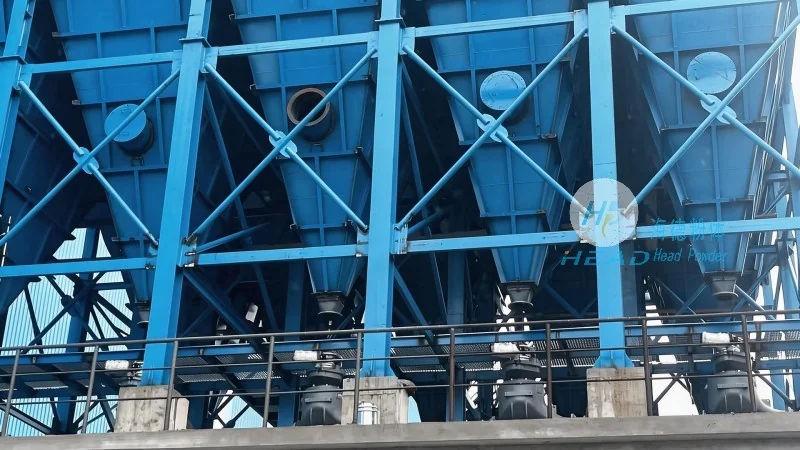
Working Principles of the Conveying System
The working principles of an automatic material loading and unloading conveying system are based on mechanical and electrical engineering principles. At its core, the system relies on a combination of motors, gears, and control units to drive the movement of materials. Conveyor belts, for example, are powered by electric motors that rotate pulleys, which in turn move the belt and the items placed on it. Sensors, such as photoelectric sensors or proximity sensors, detect the presence and position of materials, providing feedback to the control system.
Control systems, often using programmable logic controllers (PLCs) or industrial computers, manage the entire operation. These systems receive input from sensors and process it to adjust the speed, direction, or position of the conveying components. The integration of automation software allows for real-time monitoring and adjustment, ensuring that the system operates efficiently and responds to changes in production demand. Additionally, safety features, such as emergency stop buttons and collision detection, are incorporated to protect both personnel and equipment.
Key Components and Their Functions
Several key components work in tandem to ensure the smooth operation of the automatic material loading and unloading system. The loading mechanism, which may include a hopper, a robotic feeder, or a manual loading station (in some cases), is responsible for introducing materials into the system. The conveyor system, comprising belts, rollers, or chains, transports the materials through the production line. Sorting mechanisms, such as dividers or rotary tables, direct materials to specific paths based on predefined criteria. The unloading station, equipped with a discharge chute or a packaging unit, prepares the processed materials for exit.
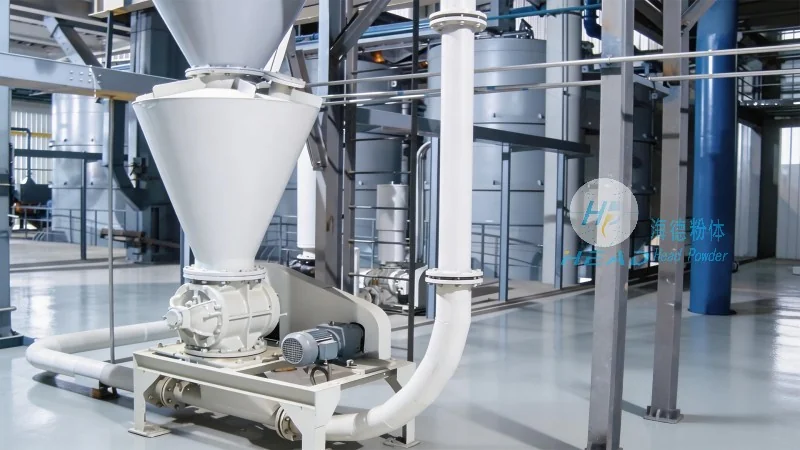
Control units, including PLCs and human-machine interfaces (HMIs), coordinate the actions of all components. These units process sensor data, execute control logic, and communicate with other systems in the factory. Power supplies and electrical distribution systems provide the necessary energy to operate the motors and control devices. Finally, safety systems, including sensors and interlocks, prevent accidents and ensure compliance with industrial safety standards.
Advantages of Automatic Material Handling Systems
The implementation of automatic material loading and unloading conveying systems offers numerous advantages for industrial operations. Firstly, it significantly enhances productivity by reducing the time required for material transfer. By automating the process, companies can increase the throughput of their production lines, leading to higher output and improved profitability. Secondly, the systems minimize labor costs, as fewer workers are needed to handle materials manually. This also reduces the risk of workplace injuries associated with manual lifting and moving of heavy or bulky items.
Thirdly, the precision and consistency of automated systems lead to improved product quality. Since materials are handled in a controlled manner, there is less chance of damage or contamination, which is particularly important in industries such as pharmaceuticals, food processing, and electronics manufacturing. Additionally, the ability to integrate with other production systems allows for better overall workflow management, enabling real-time data collection and analysis for process optimization.
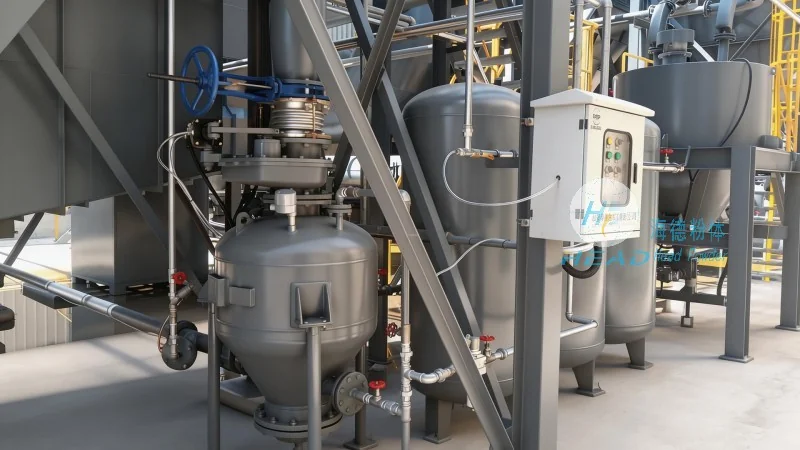
Applications in Various Industries
Automatic material loading and unloading conveying systems are widely used across a range of industries due to their versatility and adaptability. In the pharmaceutical industry, these systems are employed to handle sensitive materials, ensuring that they are transferred under sterile conditions. In food processing, they facilitate the movement of raw ingredients and finished products while maintaining hygiene standards. The manufacturing sector, particularly in automotive and electronics, utilizes these systems to manage the flow of components and assemblies, reducing bottlenecks and improving assembly line efficiency.
In logistics and warehousing, automated conveying systems are used for inventory management and order fulfillment. They can sort and route packages to different storage locations or shipping areas, streamlining the distribution process. The flexibility of these systems allows them to be customized to meet the specific requirements of each industry, making them a valuable asset for businesses seeking to enhance their operational efficiency.
Conclusion
Automatic material loading and unloading conveying systems represent a critical advancement in industrial automation, offering significant benefits in terms of efficiency, productivity, and safety. By understanding the operation process and working principles of these systems, businesses can make informed decisions about implementing such technologies to improve their operations. HeadPowder, with its expertise in engineering and automation, continues to provide innovative solutions that help companies achieve their production goals while maintaining high standards of quality and reliability.




