Efficient and reliable material conveying is a critical component in the production of fermented grain products, such as traditional liquors and baijiu. The process of transporting these materials, often referred to as fermented grain material conveying, involves specialized equipment designed to handle the unique characteristics of the raw materials. Understanding the operation process and working principle of this system is essential for optimizing production efficiency and maintaining product quality.
Introduction to Fermented Grain Material Conveying
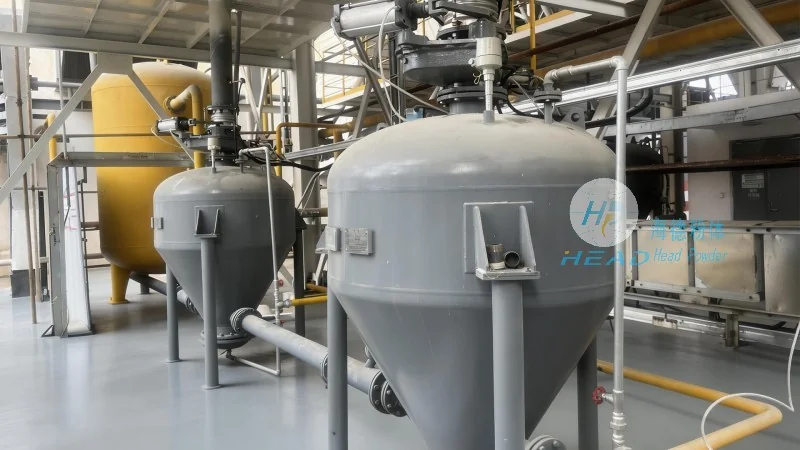
Fermented grain material conveying systems are integral to the workflow in breweries and distilleries. These systems are engineered to transport bulk materials like fermented grains, which are typically in a semi-solid or granular state. The primary goal is to move these materials from storage areas to processing units, such as mash tuns or fermentation tanks, with minimal loss and maximum efficiency. The design of these systems must account for factors like moisture content, temperature, and the potential for microbial growth, ensuring that the materials remain in optimal condition throughout the conveying process.
About Shandong HeadPowder Engineering Co., Ltd.
HeadPowder, a leading manufacturer in the field of material handling solutions, specializes in providing high-quality conveying systems tailored to the needs of the food and beverage industry. With a strong commitment to innovation and customer satisfaction, HeadPowder has established itself as a trusted partner for businesses seeking reliable and efficient material handling equipment. The company’s headquarters is located in Shandong, China, where it leverages advanced technology and extensive industry experience to develop cutting-edge solutions for its clients.
The Operation Process of Fermented Grain Material Conveying
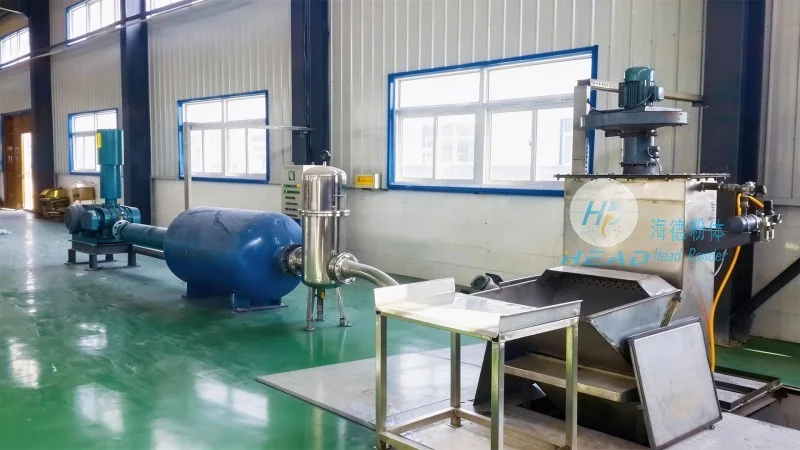
The operation process of a fermented grain material conveying system typically involves several key steps. First, the raw materials, such as fermented grains, are loaded into the initial hopper or storage bin. From there, the material is fed into the conveying equipment, which may include screw conveyors, belt conveyors, or pneumatic systems, depending on the specific requirements of the production line. The conveying equipment then transports the material to the next stage of processing, such as mixing or fermentation. Throughout this process, the system is designed to maintain consistent flow rates and minimize material degradation. For example, in a screw conveyor, the rotating screw pushes the material forward, while the casing provides a sealed environment to prevent contamination and loss of moisture.
Working Principle of Fermented Grain Material Conveying Systems
The working principle of fermented grain material conveying systems is based on mechanical or pneumatic forces that move the material from one location to another. Mechanical systems, such as screw conveyors and belt conveyors, rely on the physical movement of components to transport the material. In a screw conveyor, the helical screw rotates, creating a continuous flow of material along the length of the conveyor. The pitch and speed of the screw can be adjusted to control the flow rate and the pressure exerted on the material. Belt conveyors, on the other hand, use a continuous belt that moves over rollers, transporting the material in a horizontal or inclined path. Pneumatic systems, also known as air conveyors, utilize compressed air to move the material through a pipeline. The material is carried in a stream of air, which can be directed to different locations within the production facility.
Key Components and Their Functions
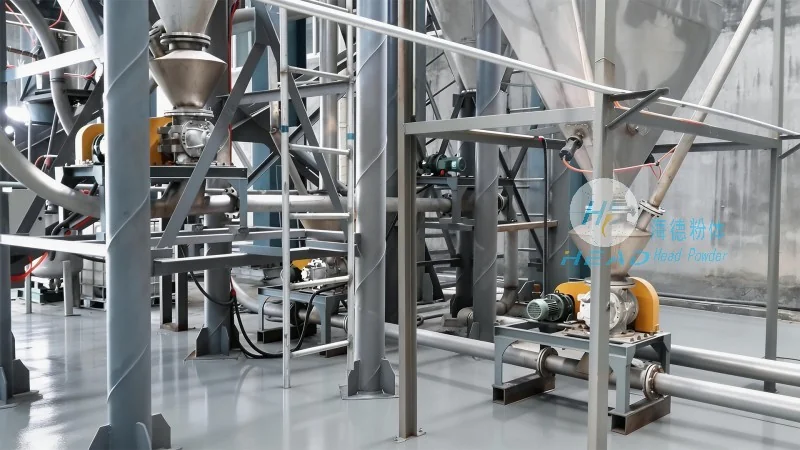
Several key components are essential for the proper operation of fermented grain material conveying systems. The hopper or storage bin serves as the initial container for the raw materials, providing a consistent feed to the conveying equipment. The feeder, which may be a rotary valve or a gate, regulates the flow of material from the hopper into the conveyor. The conveyor itself, whether it is a screw, belt, or pneumatic system, is the core component responsible for moving the material. The drive system, which includes motors and gears, provides the necessary power to operate the conveyor. Finally, the discharge mechanism, such as a rotary valve or a gate, controls the release of the material into the next processing unit. Each of these components works in tandem to ensure smooth and efficient material transport.
Benefits of Using Fermented Grain Material Conveying Systems
Implementing a fermented grain material conveying system offers numerous benefits for production facilities. First, it improves operational efficiency by automating the material transport process, reducing the need for manual handling and labor. This leads to increased productivity and reduced labor costs. Second, the systems help maintain product quality by minimizing material degradation, contamination, and loss of moisture. This is particularly important for fermented grains, which are sensitive to environmental factors. Third, the systems enhance safety by reducing the risk of accidents associated with manual handling of bulk materials. Finally, the use of automated conveying systems allows for better control over the production process, enabling precise monitoring and adjustment of flow rates and other parameters.
Conclusion
In conclusion, the operation process and working principle of fermented grain material conveying systems are critical to the success of production in the food and beverage industry. These systems, designed by companies like Shandong HeadPowder Engineering Co., Ltd., provide efficient and reliable transport of raw materials, ensuring optimal conditions for processing and maintaining product quality. By understanding the key components and benefits of these systems, businesses can make informed decisions to enhance their production capabilities and stay competitive in the market.




