For industrial applications, the efficient and reliable transportation of cement clinker powder is crucial for maintaining production line stability and ensuring product quality. The cement clinker powder conveying system, as a specialized equipment solution from Shandong HeadPowder Engineering Co., Ltd., is designed to meet these demands through advanced technology and robust engineering. This system is widely used in cement production, construction material processing, and other industries where bulk powder handling is required. The following content will detail the operation process and working principle of this equipment, providing a comprehensive understanding of its functionality and benefits.
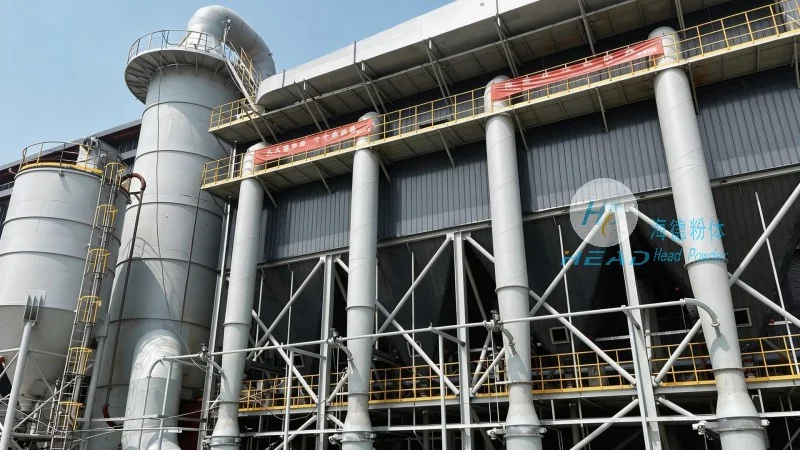
Key Components and Working Principle
The cement clinker powder conveying system typically consists of several core components, each playing a vital role in the overall operation. The primary components include the material hopper, feeding device, conveying pipeline, and control system. The material hopper is responsible for storing the cement clinker powder, ensuring a stable supply of material. The feeding device, such as a screw feeder or rotary valve, regulates the flow of powder into the conveying pipeline. The conveying pipeline, often made of stainless steel or other corrosion-resistant materials, transports the powder from the hopper to the discharge point. The control system monitors and adjusts the operation parameters, such as flow rate and pressure, to maintain optimal performance. The system may also include additional components like dust collectors and air filters to ensure environmental compliance and material purity.
The working principle of the system is based on the principle of pneumatic or mechanical conveying. In pneumatic conveying systems, compressed air is used to create a flow that carries the powder through the pipeline. The air and powder mixture moves through the pipeline, with the powder being separated from the air at the discharge point. The air is then filtered and recycled back to the system, reducing energy consumption and operational costs. In mechanical conveying systems, such as screw conveyors or belt conveyors, the powder is transported by mechanical means, relying on the movement of the conveyor components to move the material. These systems are often used for shorter conveying distances or when the material is sensitive to air exposure. The choice between pneumatic and mechanical conveying depends on factors like material properties, conveying distance, and system requirements, with pneumatic systems generally offering higher efficiency for longer distances.
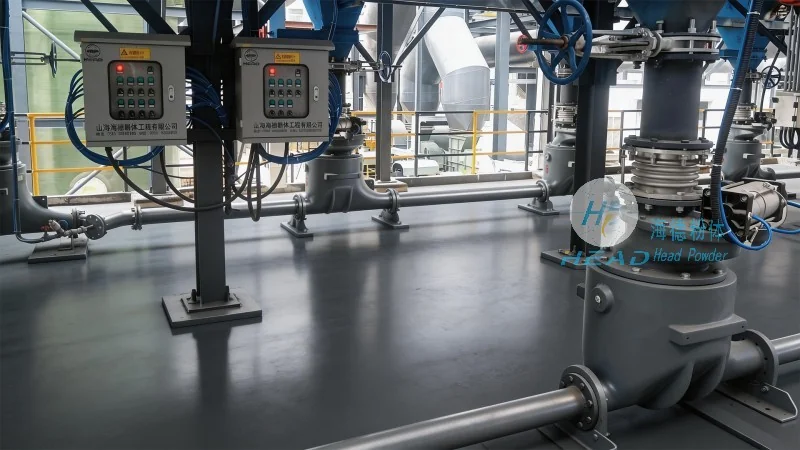
Operation Process and Control Mechanisms
The operation process of the cement clinker powder conveying system involves several steps, starting from material loading to discharge. First, the cement clinker powder is loaded into the material hopper. The feeding device then regulates the flow of powder into the conveying pipeline, ensuring a consistent feed rate. The control system monitors the pressure and flow rate in the pipeline, adjusting the operation parameters as needed to maintain stable operation. During the conveying process, the system continuously transports the powder from the hopper to the discharge point, where it is collected and used in the subsequent production process. The control system also includes safety features, such as pressure relief valves and overload protection, to prevent equipment damage and ensure safe operation. For example, if the pressure in the pipeline exceeds the set limit, the pressure relief valve will open to release excess pressure, preventing system failure. This safety mechanism ensures that the system operates within safe parameters and minimizes the risk of accidents.
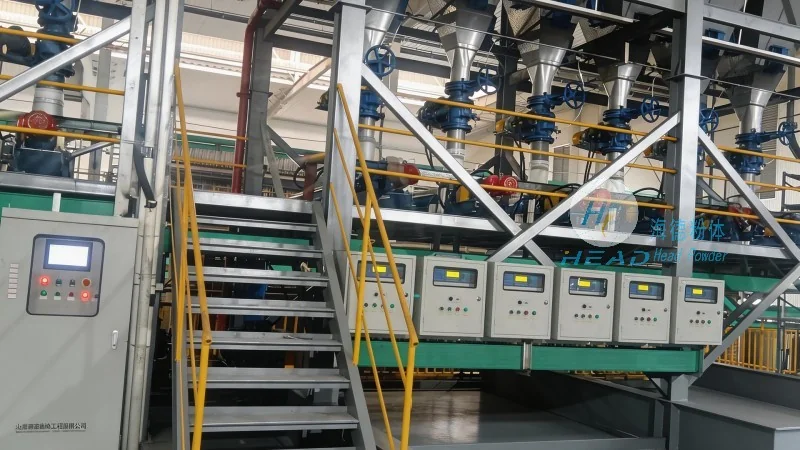
The control mechanisms in the system are crucial for maintaining efficiency and reliability. Modern cement clinker powder conveying systems are equipped with advanced control systems that use sensors and automation technology to monitor and adjust operation parameters in real-time. These systems can detect changes in material flow, pressure, and temperature, and automatically adjust the operation to maintain optimal performance. For instance, if the flow rate decreases due to a blockage in the pipeline, the control system may increase the air pressure or adjust the feeding speed to restore the desired flow rate. This automation ensures that the system operates efficiently and consistently, reducing downtime and improving overall productivity. The control system also provides real-time data and alerts to operators, allowing for quick response to any issues that may arise during operation.
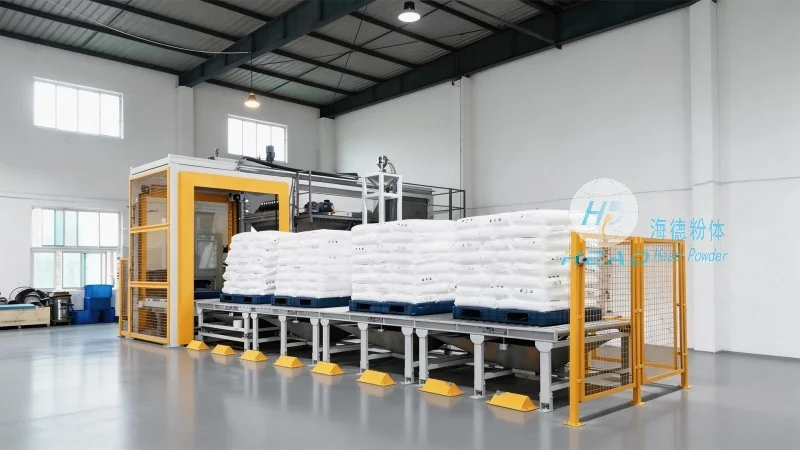
Advantages and Applications
The cement clinker powder conveying system from Shandong HeadPowder Engineering Co., Ltd. offers several advantages that make it suitable for various industrial applications. One of the key advantages is its high conveying efficiency, which allows for the transportation of large quantities of powder over long distances with minimal loss. The system is also designed for durability and reliability, with components made of high-quality materials that can withstand the harsh conditions of industrial environments. Additionally, the system is easy to maintain and operate, with user-friendly control interfaces that simplify the operation process. The system can handle different types of cement clinker powder, including various grades and compositions, ensuring versatility in application.
The system is widely used in the cement industry for transporting clinker from the rotary kiln to the grinding plant. This step is critical in the cement production process, as the clinker needs to be ground into fine powder to produce cement. The conveying system ensures that the clinker is transported efficiently and without degradation, maintaining the quality of the final product. It is also used in construction material processing plants for transporting raw materials and finished products. The system can be customized to meet specific application requirements, such as different conveying capacities, pipeline lengths, and material types. This flexibility makes it suitable for a wide range of industrial applications, from small-scale production lines to large-scale industrial facilities. For example, in a concrete mixing plant, the system can transport cement and other dry materials to the mixing station, ensuring consistent and high-quality concrete production.




