For industries dealing with rice bran, efficient and reliable material handling is crucial. The pneumatic conveying line for rice bran, a specialized system designed by Shandong HeadPowder Engineering Co., Ltd., offers an advanced solution that ensures seamless operation and optimal performance. This article delves into the operation process and working principle of such a system, highlighting how it integrates technology and engineering to meet the demands of modern processing facilities.
Overview of the Rice Bran Pneumatic Conveying System
The rice bran pneumatic conveying system is a closed-loop or open-loop system that uses compressed air to transport rice bran from one location to another. It is commonly used in food processing, biofuel production, and other applications where rice bran needs to be moved without contamination or loss. The system consists of several key components, including a hopper, a rotary valve, a conveying pipeline, a dust collector, and a receiver. Each component plays a vital role in the overall operation, ensuring that the material is conveyed safely and efficiently.
Key Components and Their Functions
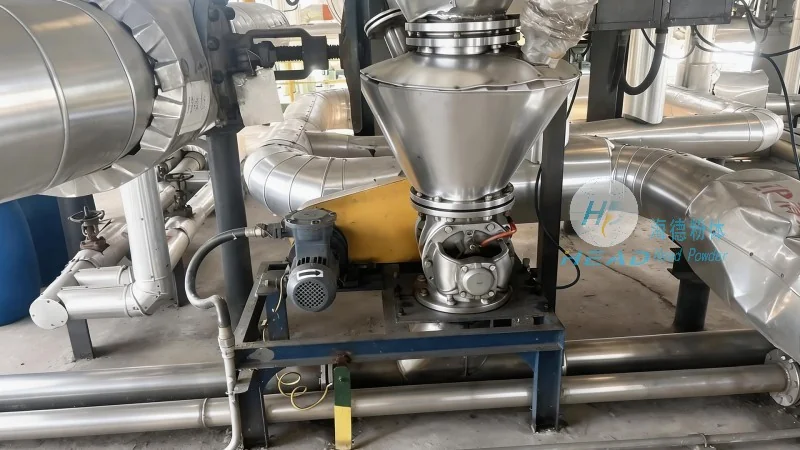
1. Hopper: The hopper is the storage container where raw rice bran is loaded. It is designed with a sloped bottom to facilitate the flow of material into the rotary valve. The hopper is typically made of stainless steel to prevent contamination and ensure durability. 2. Rotary Valve: The rotary valve acts as a gate to control the flow of rice bran from the hopper into the conveying pipeline. It is equipped with a rotating disc that has slots or openings, allowing material to pass through when the disc rotates. This component ensures a controlled and consistent feed rate, preventing overloading or underfeeding of the system. 3. Conveying Pipeline: The pipeline is the main channel through which compressed air and rice bran travel. It is usually made of stainless steel or plastic, depending on the material being conveyed and the operating conditions. The pipeline is designed with smooth surfaces to minimize friction and prevent material buildup. 4. Dust Collector: The dust collector is an essential component that captures and removes airborne particles during the conveying process. It helps maintain a clean environment and prevents dust from escaping into the facility. The collector typically uses a filter system to trap the particles, which can then be disposed of or reused. 5. Receiver: The receiver is the final container where the conveyed rice bran is deposited. It is usually a large tank or bin that can hold the processed material. The receiver is equipped with a discharge valve to allow the material to be released when needed.
The Working Principle of the Pneumatic Conveying Process
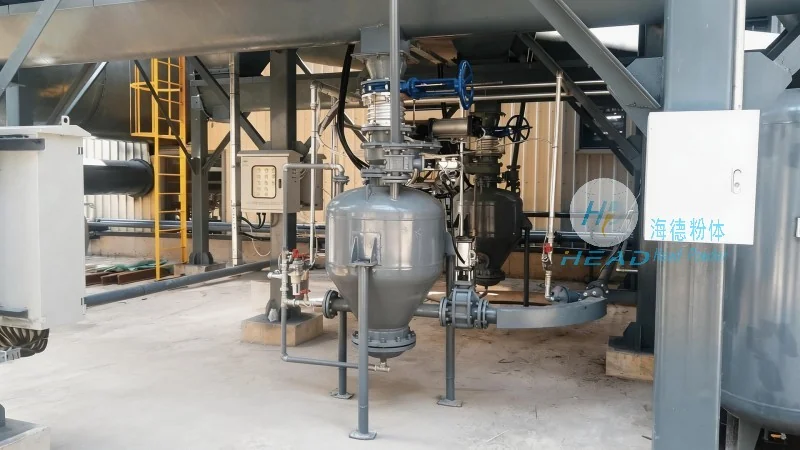
The operation of the rice bran pneumatic conveying line begins with the loading of raw rice bran into the hopper. The rotary valve then opens, allowing the material to flow into the conveying pipeline. Simultaneously, compressed air is introduced into the pipeline, creating a flow that carries the rice bran particles. The air and material mixture travels through the pipeline to the receiver, where the material is deposited. The dust collector works in tandem with the conveying process, capturing any particles that are not fully conveyed and preventing them from escaping into the environment. The entire process is controlled by a system of valves, sensors, and controls that monitor the flow rate, pressure, and other parameters to ensure optimal performance.
Operation Process Step-by-Step
1. Material Loading: Raw rice bran is loaded into the hopper from a storage silo or other source. The hopper is designed to hold a sufficient quantity of material to ensure continuous operation without frequent refilling. 2. Controlled Feeding: The rotary valve is activated, and the hopper's material flows into the conveying pipeline at a controlled rate. This rate is adjusted based on the system's capacity and the required output. 3. Compressed Air Injection: Compressed air is supplied to the pipeline, creating a positive pressure that propels the rice bran particles forward. The air flow rate is matched to the material feed rate to maintain a stable conveying condition. 4. Transportation: The rice bran particles are carried by the air flow through the pipeline to the receiver. The pipeline may include bends, elbows, or other components that direct the flow, but these are designed to minimize pressure loss and maintain efficiency. 5. Dust Collection: As the material is conveyed, some particles may become airborne. The dust collector captures these particles, preventing them from contaminating the environment or the receiver. 6. Material Deposition: The rice bran is deposited into the receiver, where it is stored until it is further processed or used. The receiver is equipped with a discharge valve that allows the material to be released when needed. 7. System Monitoring: Throughout the operation, sensors and controls monitor the system's performance, including pressure, flow rate, and material level. Any deviations from the set parameters are detected and corrected to maintain optimal operation.
Advantages of the Rice Bran Pneumatic Conveying Line
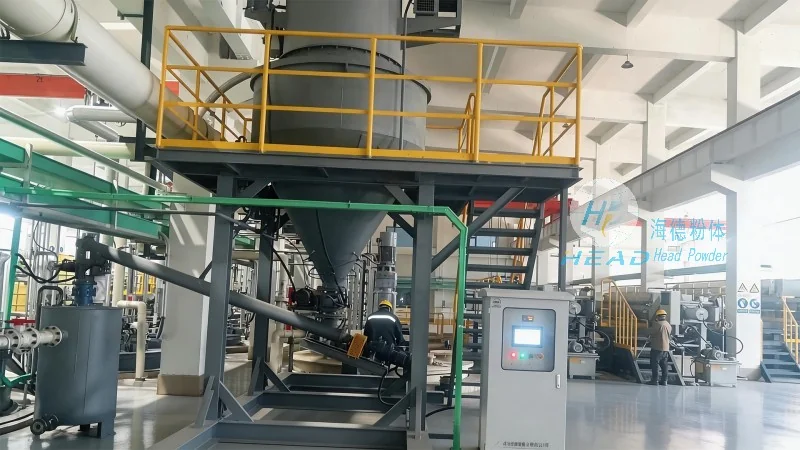
Using a pneumatic conveying system for rice bran offers several advantages over traditional methods such as belt conveyors or bucket elevators. First, it is a closed-loop system that prevents contamination and dust exposure, ensuring the material remains clean and safe for processing. Second, it is highly efficient, with minimal material loss and low energy consumption. Third, it is flexible and can be easily integrated into existing processing lines. Fourth, it reduces labor costs by automating the material handling process. Finally, it is durable and requires less maintenance compared to other systems, making it a cost-effective solution for long-term operation.
Application Examples
The rice bran pneumatic conveying line is widely used in various industries. For example, in the food processing industry, it is used to transport rice bran from storage to processing equipment, such as extruders or dryers. In the biofuel industry, it is used to move rice bran to reactors for fermentation or combustion. In the animal feed industry, it is used to transport rice bran to mixing facilities. The system's versatility and efficiency make it suitable for a wide range of applications where rice bran needs to be handled efficiently and safely.




