HeadPowder, a leading provider in the field of material handling solutions, specializes in the design, manufacturing, and installation of advanced pneumatic conveying systems tailored for cement and mineral powder applications. This article explores the fundamental principles behind pneumatic conveying technology and highlights key application scenarios where such systems excel in industrial settings.
Understanding Pneumatic Conveying: Core Principles
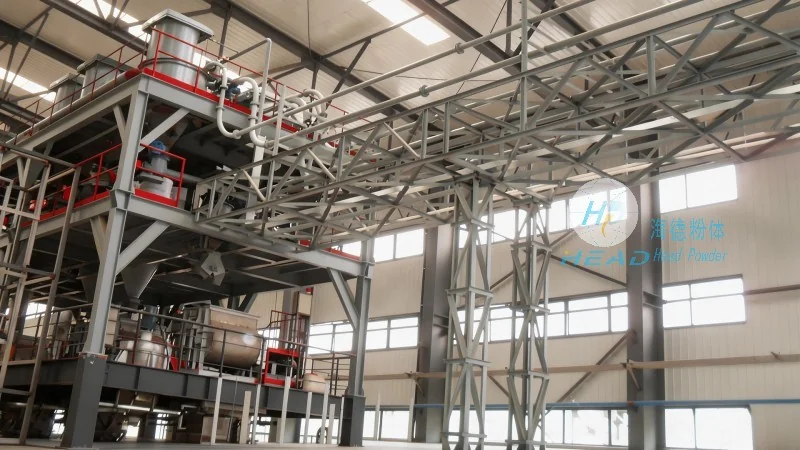
Pneumatic conveying is a method of transporting bulk materials, such as cement and mineral powders, through a pipeline using a stream of air or other gas. The process relies on the creation of a pressure differential or a vacuum to move the material from the source to the destination. There are primarily two types of pneumatic conveying systems: pressure systems, which use compressed air to push the material, and vacuum systems, which use a vacuum to pull the material. The choice between these systems depends on factors like material characteristics, distance, and system layout. For cement and mineral powders, pressure systems are often preferred due to their efficiency in handling fine, abrasive materials and their ability to maintain consistent flow rates. The system typically consists of a hopper, a feeder, a conveying line, and a receiver. The feeder controls the flow of material into the conveying line, while the conveying line transports the material to the receiver. The receiver collects the material and may include a dust collection system to ensure environmental compliance.
Key Application Scenarios for Pneumatic Conveying Systems
Pneumatic conveying systems for cement and mineral powders are widely used in various industrial sectors, offering significant advantages over traditional methods like belt conveyors or bucket elevators. One primary application is in cement production facilities, where these systems are used to transport raw materials, such as limestone and clay, from storage silos to the grinding mills. The ability to handle large volumes of fine powders efficiently reduces downtime and improves overall production throughput. Another critical application is in the mineral processing industry, where mineral powders are conveyed from crushing and grinding units to storage silos or processing equipment. The systems are designed to handle abrasive and corrosive materials, ensuring long-term durability and minimal maintenance. In addition, pneumatic conveying is utilized in construction material distribution centers, where cement and mineral powders are transported from bulk storage to loading trucks or delivery points. This method provides a clean, dust-free transfer, enhancing safety and reducing environmental impact compared to manual handling or open-air transfer methods.
Advantages of Pneumatic Conveying for Cement and Mineral Powders
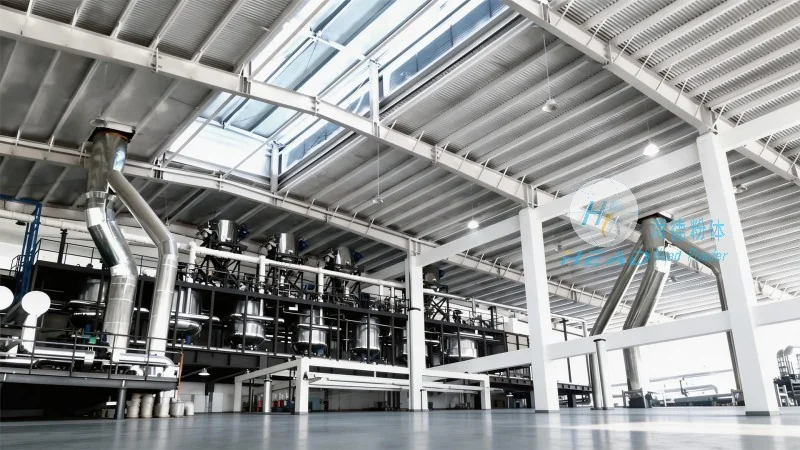
Implementing pneumatic conveying systems for cement and mineral powders offers numerous benefits that enhance operational efficiency and product quality. One of the most significant advantages is the ability to handle fine, cohesive materials without the need for mechanical components that can cause blockages or wear. The enclosed pipeline system prevents dust contamination, which is crucial for maintaining product purity and compliance with environmental regulations. Additionally, pneumatic conveying systems can transport materials over long distances with minimal energy consumption compared to other bulk material handling methods. The flexibility of the system allows for easy integration into existing industrial layouts, reducing the need for extensive site modifications. Furthermore, these systems provide consistent flow rates, which helps in maintaining stable production processes and reducing the risk of material overloading or underloading. The automated nature of the system also minimizes human intervention, leading to improved safety and reduced labor costs.
Customization and Integration Capabilities
HeadPowder understands that each industrial application has unique requirements, and therefore, offers customized pneumatic conveying solutions tailored to specific needs. The company’s engineering team works closely with clients to assess material characteristics, system constraints, and operational goals to design a system that meets all requirements. Customization options include different types of feeders, such as rotary valves or screw feeders, to ensure proper material flow control. The conveying line can be made from various materials, such as stainless steel or special alloys, to withstand the corrosive nature of cement and mineral powders. The receiver can be equipped with dust collection systems, such as bag filters or cartridge filters, to comply with local environmental standards. Integration with existing equipment, such as silos, storage tanks, or processing machinery, is also a key aspect of the design process. HeadPowder’s expertise in system integration ensures that the pneumatic conveying system works seamlessly with other components of the production line, maximizing overall efficiency.
Maintenance and Longevity of Pneumatic Conveying Systems
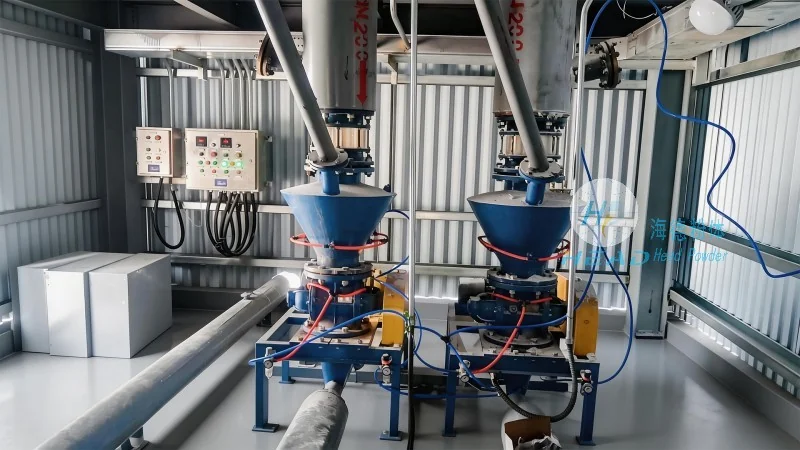
Proper maintenance is essential to ensure the long-term performance and reliability of pneumatic conveying systems for cement and mineral powders. Regular inspections and maintenance activities help in identifying potential issues before they lead to system failures. Key maintenance tasks include checking the condition of the conveying line for any signs of wear or damage, inspecting the feeder for proper operation, and cleaning the dust collection system to maintain its efficiency. The use of high-quality materials and components in the system design contributes to its longevity. For example, stainless steel pipelines and components are resistant to corrosion caused by cement and mineral powders, reducing the need for frequent replacements. Additionally, the enclosed system design minimizes exposure to external elements, further extending the system's lifespan. HeadPowder provides comprehensive maintenance services, including on-site inspections, preventive maintenance plans, and spare parts supply, to ensure that the system operates at optimal performance levels throughout its service life.
Conclusion: The Role of Pneumatic Conveying in Modern Material Handling
Pneumatic conveying systems for cement and mineral powders represent a sophisticated and efficient solution for bulk material handling in industrial applications. By understanding the core principles of pneumatic conveying and leveraging the advantages of these systems, industries can enhance productivity, improve product quality, and reduce operational costs. HeadPowder, with its expertise in engineering and manufacturing, continues to provide innovative solutions that meet the evolving needs of the industry. As demand for efficient and reliable material handling systems grows, pneumatic conveying remains a preferred choice for transporting cement and mineral powders, ensuring smooth operations and sustainable growth in various industrial sectors.




