HeadPowder, a leading engineering firm based in Shandong, China, specializes in the design and implementation of advanced air-driven conveying systems tailored for handling sponge sand materials. These systems represent a sophisticated solution for material transport in industrial settings, combining efficiency, reliability, and adaptability to diverse operational needs. This article delves into the fundamental principles underlying such systems and explores the specific characteristics of their working environments.
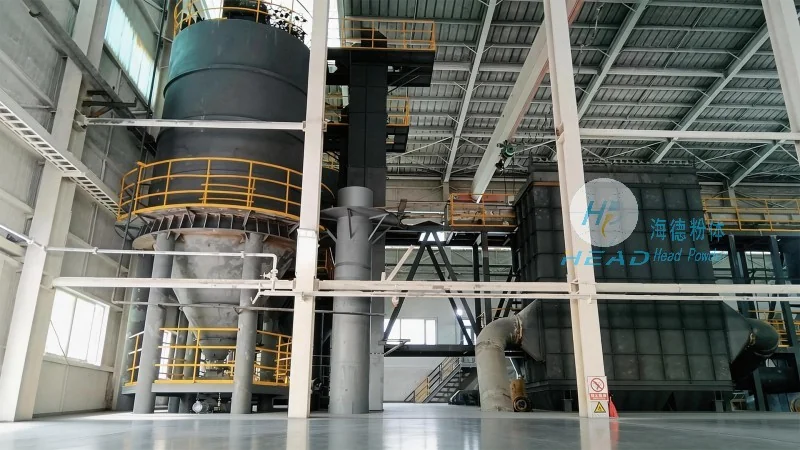
The Core Principle of Air-Driven Conveying for Sponge Sand
The air-driven conveying system operates on the principle of transporting bulk materials, such as sponge sand, using a stream of air under pressure. This method eliminates the need for mechanical components like belts, chains, or buckets, which are common in traditional conveyor systems. Instead, the system relies on a combination of air flow and material properties to move the sand through a pipeline. The process typically involves a hopper or feed point where the sponge sand is introduced, followed by an air compressor that generates the necessary pressure to create a flow of air and material. The air, often mixed with the sand, is then directed through a series of pipes to the discharge point, where the material is separated from the air and collected. This pneumatic transport method is particularly effective for sponge sand due to its lightweight and porous nature, which allows for efficient suspension and movement within the air stream.
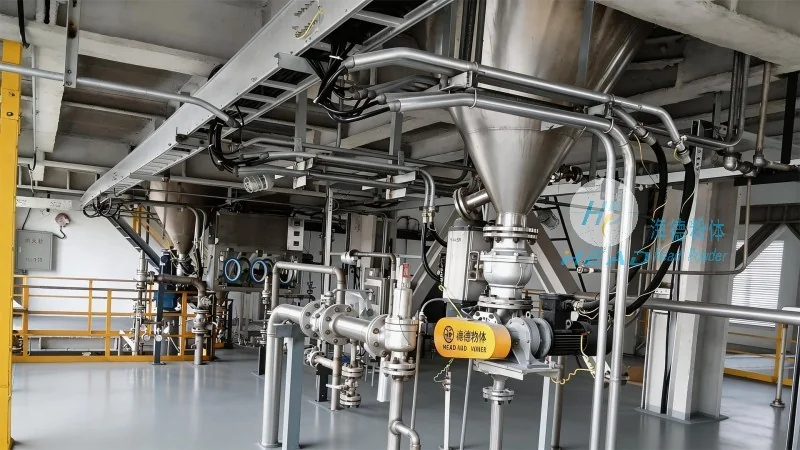
Key Components and Their Functions in the System
Several critical components work in tandem to ensure the smooth operation of the air-driven conveying system for sponge sand. The first is the air compressor, which provides the necessary pressure to generate the air flow. The compressor's capacity and pressure settings are tailored to the specific characteristics of the sponge sand, such as its density and particle size, to maintain optimal transport conditions. Next, the hopper or feed unit is responsible for introducing the sponge sand into the system. This component is designed to handle the material's bulk and ensure a consistent feed rate, preventing blockages or uneven flow. The pipeline network, made of materials resistant to abrasion and corrosion, carries the air and sand from the feed point to the discharge point. The design of the pipeline, including bends and fittings, is crucial to minimize pressure loss and maintain the efficiency of the conveying process. Finally, the discharge unit, which may include a separator or cyclone, separates the sponge sand from the air stream, allowing the material to be collected in a container or storage area. This separation process is essential to prevent dust accumulation and maintain the purity of the conveyed material.
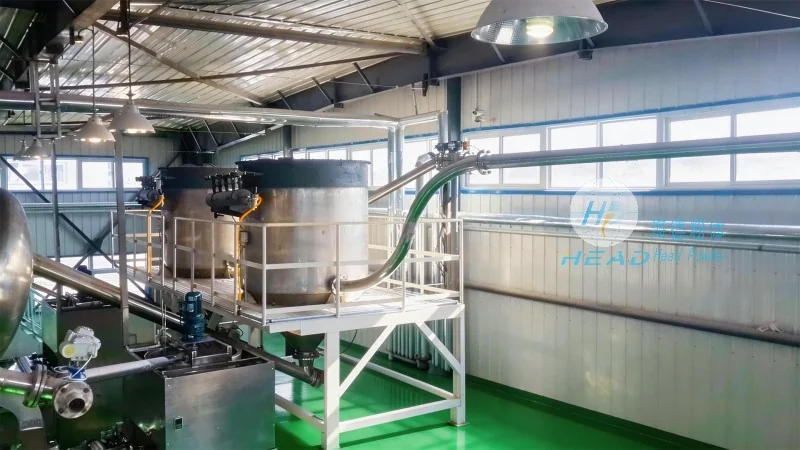
Working Scene Characteristics and Applications
The air-driven conveying system for sponge sand is particularly suited for industrial applications where material transport over long distances or within complex layouts is required. These systems are commonly used in construction material processing plants, where sponge sand is a key ingredient in concrete and other building materials. The system's ability to handle large volumes of material efficiently makes it ideal for production lines that require continuous material flow. Additionally, the system is well-suited for applications in mining and quarrying operations, where sponge sand is extracted from raw materials and transported to processing facilities. The working environment of these systems is typically characterized by high material throughput and the need for reliable, low-maintenance operation. The system's adaptability to different operational conditions, such as varying material feed rates or changes in pipeline layout, makes it a versatile solution for diverse industrial needs.
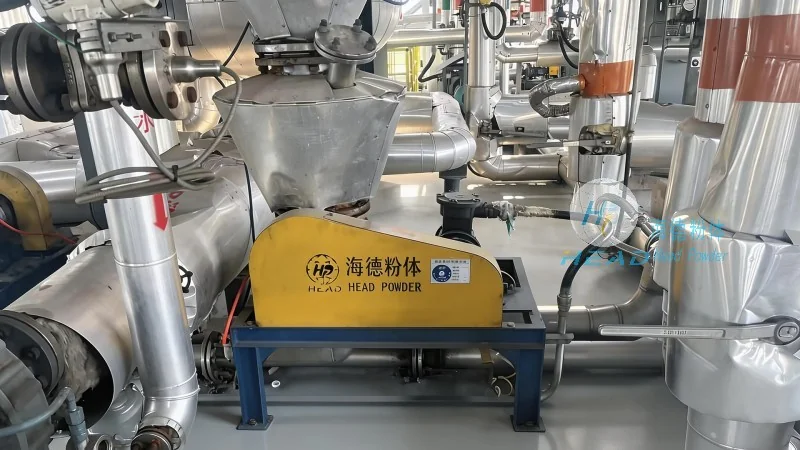
Advantages and Benefits of the Air-Driven Conveying System
Implementing an air-driven conveying system for sponge sand offers several advantages over traditional mechanical conveyor systems. One of the primary benefits is the elimination of mechanical components, which reduces the risk of maintenance and repair costs. The system's design minimizes the need for regular servicing, as there are fewer moving parts that can wear out or break. Additionally, the system is highly efficient in terms of energy consumption, as the air compressor operates at a lower energy cost compared to mechanical systems. The ability to transport sponge sand over long distances without the need for intermediate storage or transfer points also enhances operational efficiency. Furthermore, the system's ability to handle abrasive materials like sponge sand without significant wear to the pipeline or components makes it a durable and long-lasting solution. The working environment is also safer, as there are no exposed mechanical parts that could pose a risk to personnel. Overall, the air-driven conveying system provides a cost-effective and reliable solution for the transport of sponge sand in industrial settings.




